

Understanding Radon: Essential Facts and Safety for Healthier Homes

Picture of Brian Thompson
Brian Thompson

August 5, 2025

Radon: Essential Facts and Safety for Healthier Homes - informational guide title

Radon is one of those hazards that rarely makes noise. You cannot smell it. You cannot see it. Yet it can quietly shape the health of a home over time. Many homeowners first hear about radon during a real estate transaction or a routine inspection. 

Others learn about it after a neighbor mentions testing. Wherever you are starting from, understanding radon is not about fear. It is about clarity and smart decisions.

This guide is written to walk you through radon in plain language. We will cover what radon is, how it enters buildings, why it matters for health, and what practical steps reduce risk. 

The goal is not to overwhelm you with jargon. It is to help you feel informed enough to act with confidence. By the end, you should know when to test, how mitigation works, and why professional guidance matters. You will also understand how related concerns such as Vapor Intrusion connect to radon safety in certain properties.

What Is Radon and Where Does It Come From

Radon is a naturally occurring radioactive gas that is colorless, tasteless, and odorless. It forms from radium, which is itself a decay product of uranium found in soil and rock. 

This process happens everywhere, but uranium and radium occur in varying amounts in the environment, which influences how much radon is released and whether it becomes trapped indoors. Radon can build up inside homes to dangerous levels.

Outdoors, radon usually disperses into the air and poses little concern. Indoors, this naturally occurring gas, which comes from natural sources such as soil and rock, can accumulate to levels that affect health. 

Homes, offices, schools, and commercial buildings can all experience elevated radon depending on soil conditions, construction methods, and airflow patterns.

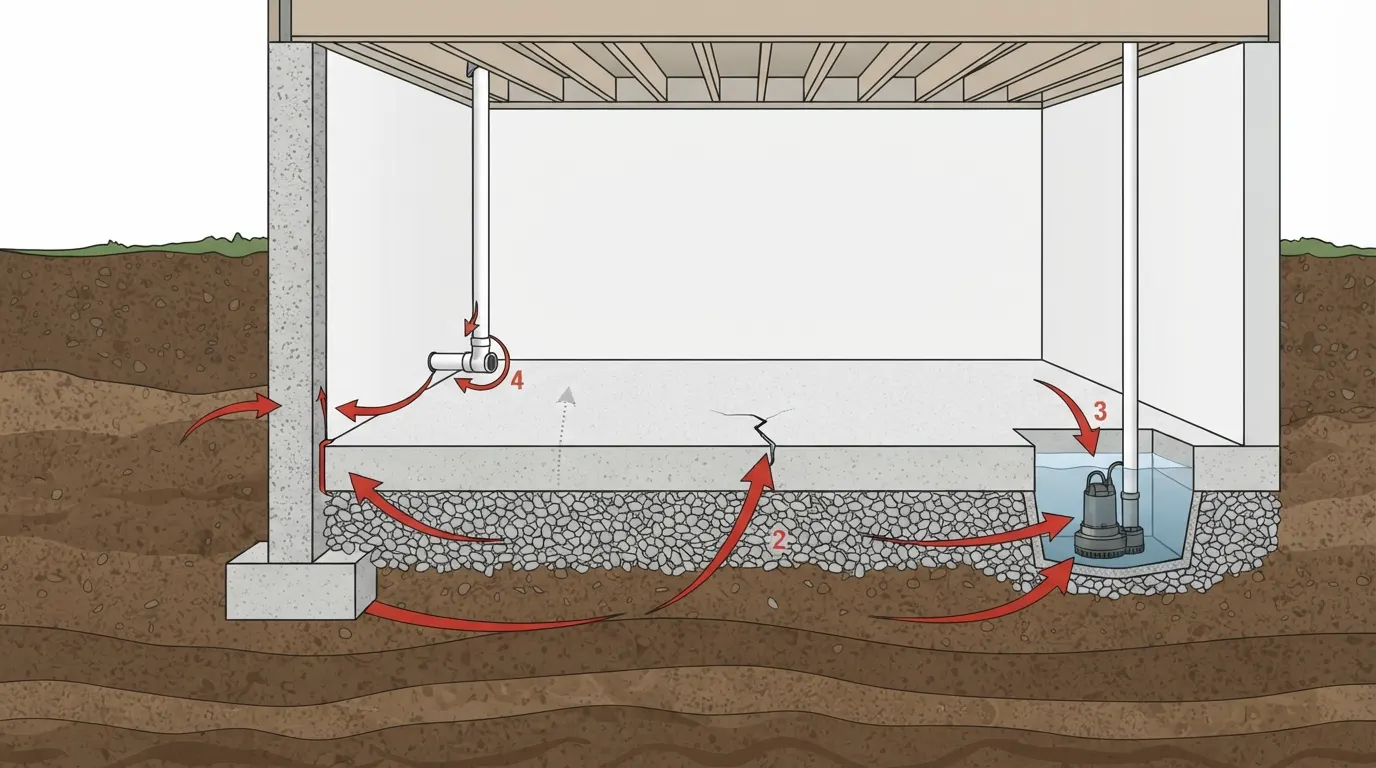
Radon can enter buildings through small openings. It can infiltrate through cracks in foundation slabs, gaps around pipes, sump pits, crawl spaces, and even tiny pores in concrete, serving as common entry points. 

As warm air rises inside a structure, it can create a pressure difference that pulls soil gases upward. Radon then accumulates in enclosed spaces, particularly basements and lower levels.

How Radon Enters the Home

Radon is a naturally occurring radioactive gas that can find its way into your home through a variety of hidden pathways. The most common routes include cracks in the foundation, construction joints, gaps around sump pumps, and even small openings in floors. 

As radon gas rises from the soil beneath your home, it can seep through these entry points and become trapped indoors, leading to elevated radon levels.

Soil gas is a primary source of radon, especially in areas where the ground contains higher concentrations of uranium. When the pressure inside your home is lower than the pressure in the soil, radon enters through any available cracks or gaps in the foundation. 

Even homes without basements are at risk, as radon can move through slab-on-grade foundations and crawl spaces. In some cases, radon can also enter through the water supply, particularly if your water comes from a well or underground source.

Once inside, radon can accumulate to dangerous levels, increasing the risk to your health. Because you cannot see or smell this radioactive gas, the only way to know if your home for radon is at risk is to test your home. 

Regular radon testing is essential for identifying elevated radon levels and taking steps to reduce your exposure.

Building Materials and Radon Exposure

While soil is the main source of radon in most homes, certain building materials can also contribute to indoor radon levels. Materials like granite, marble, and concrete may contain naturally occurring radioactive elements such as uranium, thorium, and radium. 

Over time, these radioactive elements can undergo natural decay and release radon gas into the air inside your home.

The radiation dose from building materials is generally quite low, and for most people, the health risk from this source of radon exposure is minimal compared to radon entering from the soil. However, in rare cases where large amounts of radioactive materials are used in construction, indoor radon levels can be affected. To minimize risk, builders can use radon-resistant materials and construction techniques, especially in areas known for high natural radiation.

Homeowners should be aware of the potential for radon exposure from building materials, but the most effective way to manage risk is through regular radon testing. If elevated radon levels are detected, a radon mitigation system can help reduce indoor radon levels and protect your health.

Water Supply and Radon Contamination

Radon is not only a concern in the air you breathe, it can also be present in your water supply, especially if your water comes from a private well or other underground source. 

When radon is dissolved in water, it can be released into the air during everyday activities like showering, washing dishes, or doing laundry. This process can contribute to higher indoor radon levels and increase your overall health risk.

The Environmental Protection Agency (EPA) recommends testing your water supply for radon, particularly if you rely on well water. If radon levels in your water exceed 4,000 pCi/L (picocuries per liter), the EPA recommends taking action to reduce exposure. 

Solutions may include installing a radon removal system for your water supply or switching to an alternative water source.

Testing both your air and water for radon is the best way to ensure your home is safe. If you discover elevated radon levels in your water, prompt mitigation can help protect your indoor air quality and reduce the risk to your family.

Why Radon Matters for Your Health

Radon exposure is linked to lung cancer. Radon is a colorless, tasteless, and odorless gas that causes lung cancer and is a significant health hazard. 

In fact, it is considered the leading cause of lung cancer among people who do not smoke, and is the second leading cause of lung cancer in the United States, after smoking. When radon gas breaks down, it releases radioactive particles. 

People can be exposed to these particles when they enter homes through cracks in foundations and other entry points. These particles can be inhaled and become lodged in the lungs. Over time, they damage lung tissue and increase cancer risk.

The risk depends on both radon concentration and duration of exposure. Living for many years in a home with elevated radon increases the likelihood of harm. 

Radon-related lung cancers result in an estimated 21,000 deaths annually in the United States, and people who have never smoked make up one out of 7 radon-related lung cancer deaths each year. 

Smoking combined with radon exposure raises the risk even further, but nonsmokers are not immune. One challenge with radon is that exposure causes no immediate symptoms, but the long-term threat of lung cancer is significant. 

Children have an increased risk of lung cancer from radon exposure due to their developing lungs. This is why testing is so important. It is the only way to know what levels are present in your home or building.

Understanding Radon Levels and Safety Guidelines

Radon levels are measured in picocuries per liter of air. The levels of radon can accumulate indoors, sometimes reaching concentrations much higher than those found outdoors. 

In the United States, the Environmental Protection Agency recommends action if indoor levels reach or exceed 4.0 picocuries per liter (148 Bq/m3). 

If your home has a radon level above 4 pCi/L or 148 Bq/m3, you should hire a professional radon mitigation service. There is no known completely safe level of radon, but this threshold provides a practical benchmark for reducing risk and identifying elevated levels of radon that pose health concerns.

Some homes test just below this guideline and still choose to mitigate. Others have high levels and require prompt action. The right decision depends on individual circumstances, but the key point is that radon levels can be reduced reliably with proper systems.

How Radon Testing Works

Radon testing is easy, low cost, and could save your life. A radon test is the process of measuring radon levels in your home to ensure a safe living environment. There are short term tests that measure levels over a few days and long term tests that measure levels over several months. 

Short term tests are often used for quick assessments, especially during real estate transactions. Long term tests provide a more accurate picture of average exposure. The only way to detect a buildup of radon in your home is to test the air, so it is important to have your home tested regularly.

Tests can be done using professional equipment or approved do it yourself test kits. Test kits are affordable, easy to use, and allow homeowners to assess radon levels themselves. 

Placement matters. Tests should be located in the lowest livable area of the building and used under closed house conditions for accurate results. Testing your home for radon should be included in your routine home maintenance checklist.

If a test shows elevated levels, a follow up test is often recommended to confirm radon test results before taking action. 

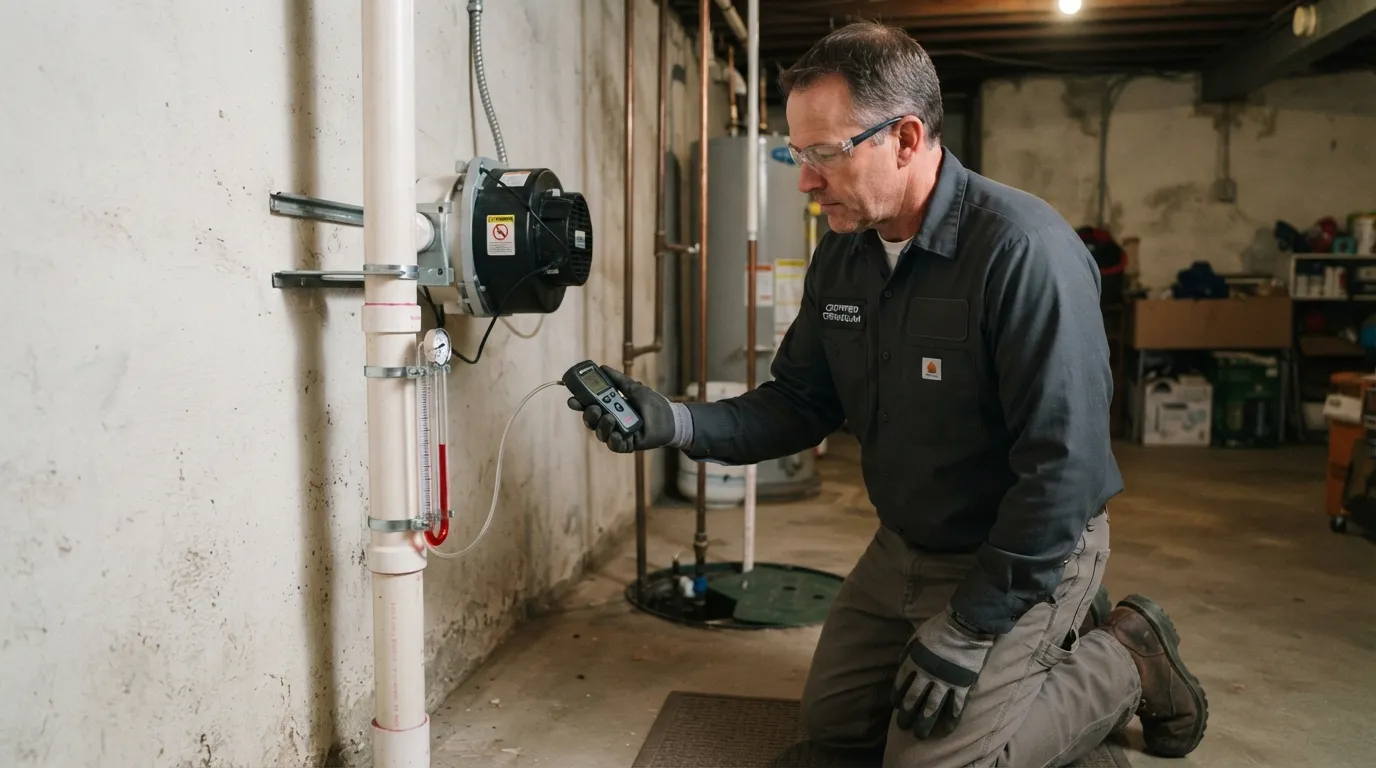
Professional testing ensures proper setup, interpretation, and documentation. It is always recommended to re-test your home within 24 hours to 30 days after a mitigation system is installed and every 2 years after that.

Radon Mitigation and How It Reduces Risk

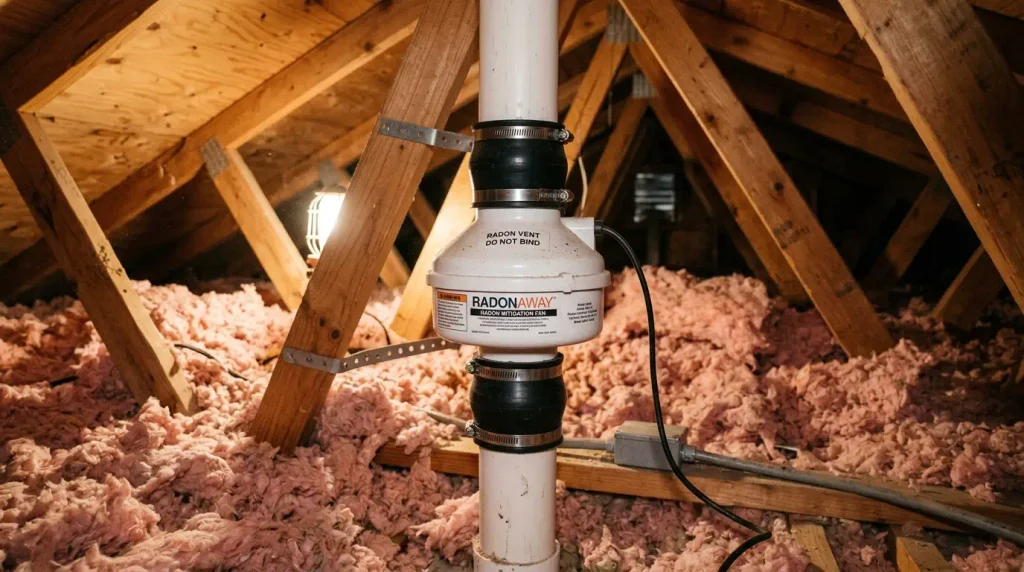
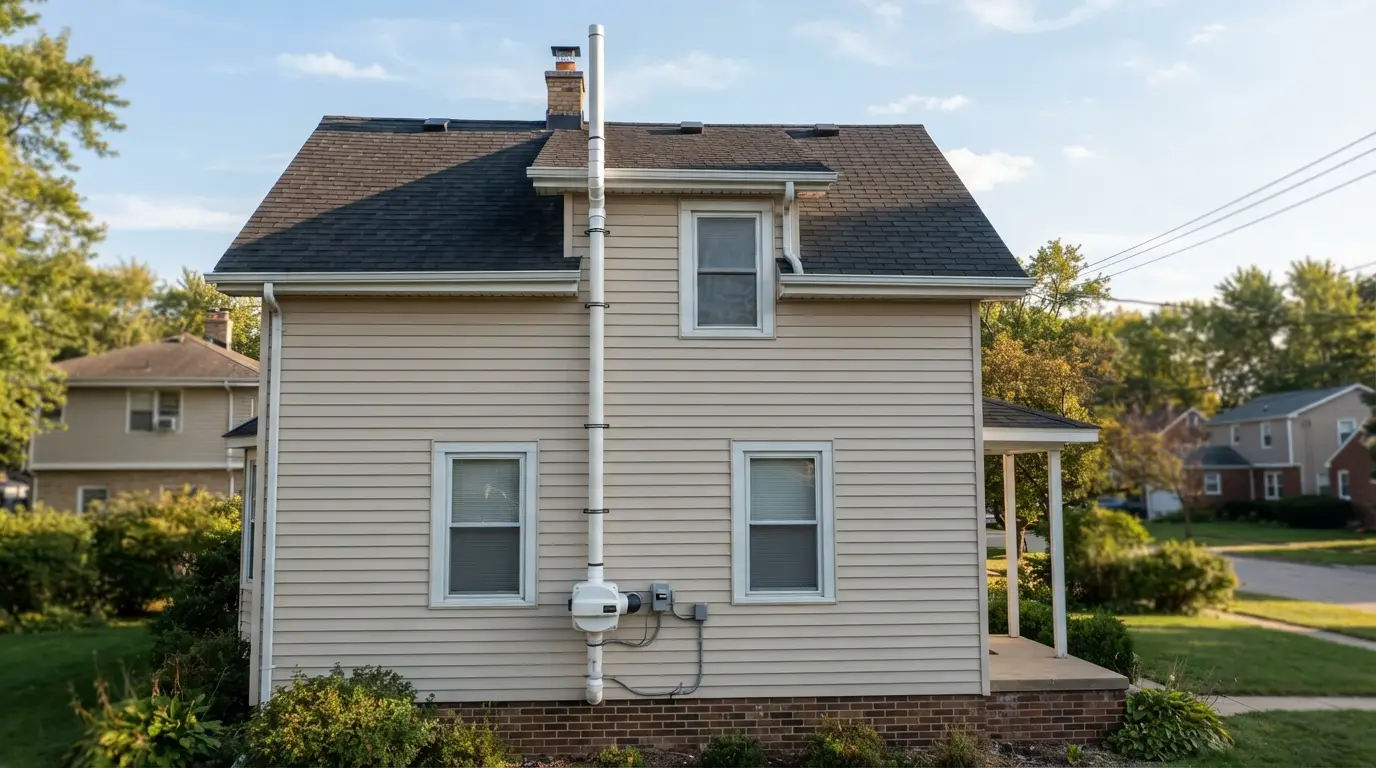
Radon mitigation refers to methods used to lower indoor radon levels and address radon problems that can impact indoor air quality and health. The most common approach is active soil depressurization. 

This system involves installing a pipe through the foundation connected to a fan that draws radon from beneath the building and vents it safely outside.

When installed correctly, mitigation systems can reduce radon levels by up to ninety nine percent. They work continuously and require minimal maintenance. The key is proper design based on the structure of the building and the characteristics of the soil.

In addition to active systems, mitigation often includes sealing cracks and openings to improve efficiency. While sealing alone is rarely sufficient, it supports the overall system and improves indoor air control. Effective mitigation significantly reduces radon risk by lowering exposure to harmful radon gas.

The Role of Radon System Repair and Maintenance

A mitigation system is not a set it and forget it solution. Fans can wear out over time. Pipes can become damaged. Monitors may stop working accurately. This is where Radon System Repair & Fan Replacement becomes important.

Regular inspections ensure the system continues to function as intended. A failing fan can allow radon levels to rise again without obvious signs. Replacing worn components promptly protects the investment you made in mitigation and keeps your indoor environment safer.

Homeowners should also pay attention after renovations, foundation repairs, or major weather events. Changes to the structure or soil conditions can affect system performance.

Vapor Intrusion and Its Connection to Radon

Vapor Intrusion is a related but broader concept. It refers to the movement of volatile chemicals from the soil into indoor air. While radon is one of the most common soil gases of concern, other contaminants can follow similar pathways.

Properties near former industrial sites, fuel storage areas, or contaminated groundwater may face Vapor Intrusion risks. Mitigation approaches often overlap with radon systems, particularly when soil gas control is involved.

Understanding this connection helps property owners take a more comprehensive view of indoor air quality. Addressing radon effectively can also support protection against other soil borne vapors in certain settings.

Radon in Different Types of Buildings

Radon is not limited to single family homes. Apartments, school buildings, schools, workplaces, and commercial facilities can all experience elevated levels. Ground contact is the key factor, not building size.

In multi unit buildings, radon levels can vary significantly between units. Lower floors often have higher concentrations. Testing strategies should account for this variability.

School buildings and childcare facilities deserve special attention because of long occupancy hours and vulnerable populations. Many regions now encourage or require routine testing and mitigation in educational environments to ensure the health and safety of children and staff.

National Radon Action Plan

The National Radon Action Plan is a coordinated effort to reduce radon exposure and its associated health risks across the United States. This comprehensive strategy brings together federal, state, and local agencies, as well as private organizations and individuals, to address the dangers of radon in our homes, schools, and workplaces.

Key actions outlined in the plan include raising public awareness about the health risks of radon, encouraging widespread radon testing, and promoting the installation of radon mitigation systems where needed. 

The plan also supports ongoing research and the development of new technologies to further reduce radon exposure. Collaboration among all stakeholders is essential to achieving these goals and ensuring effective radiation protection for everyone.

The Environmental Protection Agency (EPA) recommends that all homes be tested for radon, and that mitigation systems be installed if radon levels exceed 4 pCi/L. By following the guidance of the National Radon Action Plan and working together, we can significantly reduce the risk of lung cancer and create healthier indoor environments for all.

Common Myths About Radon

There are several misconceptions that prevent people from taking action. One is the belief that newer homes are immune. Modern construction techniques can actually increase radon entry if not properly managed.

Another myth is that only homes with basements are affected. Slab on grade and crawl space homes can also have high radon levels.

Some assume that neighbors testing low means their home is safe. Radon levels can vary dramatically even between adjacent properties due to soil composition and foundation differences.

Choosing Professional Help and What to Expect

Working with certified professionals ensures that testing and mitigation meet established standards. A reputable provider will explain results clearly, outline options, and design a system tailored to your building.

Milwaukee Radon Home focuses on clear communication and proven solutions. Homeowners can reach their team at 414 455 7279 to discuss testing, mitigation, or system service needs.

Professional involvement is especially valuable when dealing with complex foundations, high radon levels, or concerns related to Vapor Intrusion. Expertise reduces guesswork and improves long term outcomes.

Living With Confidence After Mitigation

Once a system is installed and verified, most homeowners feel a sense of relief. Indoor air becomes safer. Health risks are reduced. Ongoing monitoring provides reassurance that levels remain controlled.

It is still wise to retest every few years or after major changes to the building. Radon is a natural process that does not stop, so vigilance matters.

Frequently Asked Questions

How often should I test my home for radon

Most experts recommend testing every two to five years. Testing should also be done after renovations or changes to heating and ventilation systems.

Can I test for radon myself or should I hire a professional

Do it yourself kits can provide useful information if used correctly. Professional testing offers greater accuracy and guidance, especially when results are near action levels.

Is radon only a concern in basements

Radon often concentrates in lower levels, but it can affect any livable space. Testing should be done where people spend time, not just storage areas.

What happens if my mitigation system stops working

A failed system can allow radon levels to rise again. Regular checks and timely Radon System Repair & Fan Replacement keep protection in place.

Does opening windows reduce radon levels

Temporary ventilation can lower levels briefly, but it is not a reliable or permanent solution. Effective mitigation requires controlled soil gas management.

Conclusion

Radon safety is not about panic or complexity. It is about awareness and action. By understanding what radon is, how it enters buildings, and how it affects health, homeowners can make informed choices. Testing provides answers. Mitigation provides solutions. Maintenance ensures lasting protection.

Whether you are buying a home, living in one, or managing a commercial property, radon deserves attention. With the right information and professional support, reducing risk is both achievable and worthwhile.

Share:

Related Posts