

Can Radon Be Good For You?

Picture of Brian Thompson
Brian Thompson

August 4, 2025

Smiling man sitting with radon health question headline

Radon has earned its reputation as the second leading cause of lung cancer in America, right behind smoking. Public health agencies have spent decades warning homeowners about this invisible, odorless gas seeping into basements and crawl spaces.

But here’s where things get interesting: some researchers claim low levels of radon might actually benefit human health.

Yes, you read that correctly. While the EPA and most medical professionals maintain that no level of radon is truly safe, a fringe scientific theory suggests small doses could strengthen your immune system and reduce certain diseases. This concept, known as radiation hormesis, has sparked heated debates in scientific circles for years.

Before you dismiss your radon mitigation system or cancel that home inspection, let’s dig into what science actually tells us about radon exposure, separate fact from wishful thinking, and help you make informed decisions about your indoor air quality.

Understanding Radon Mitigation Installation

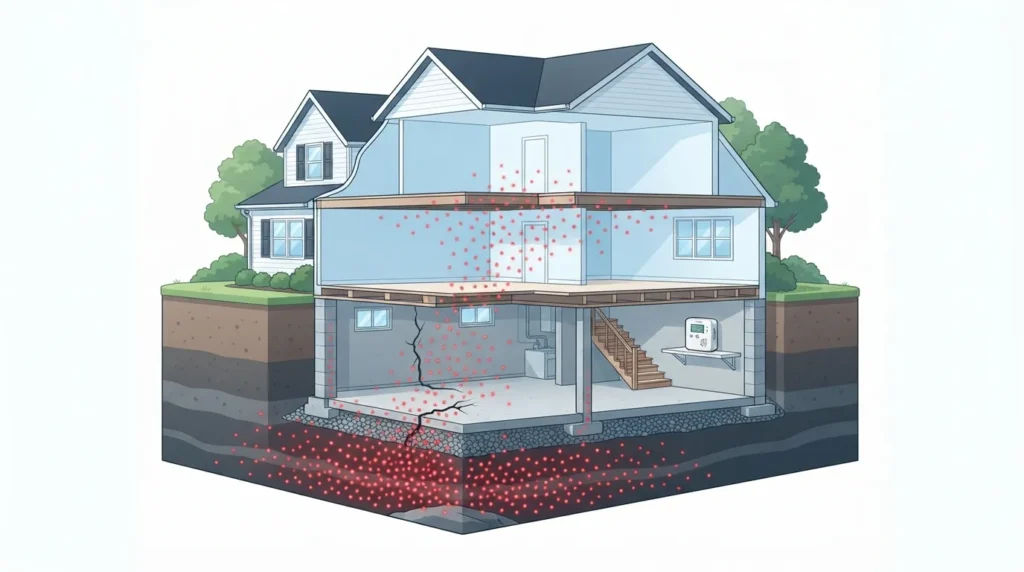
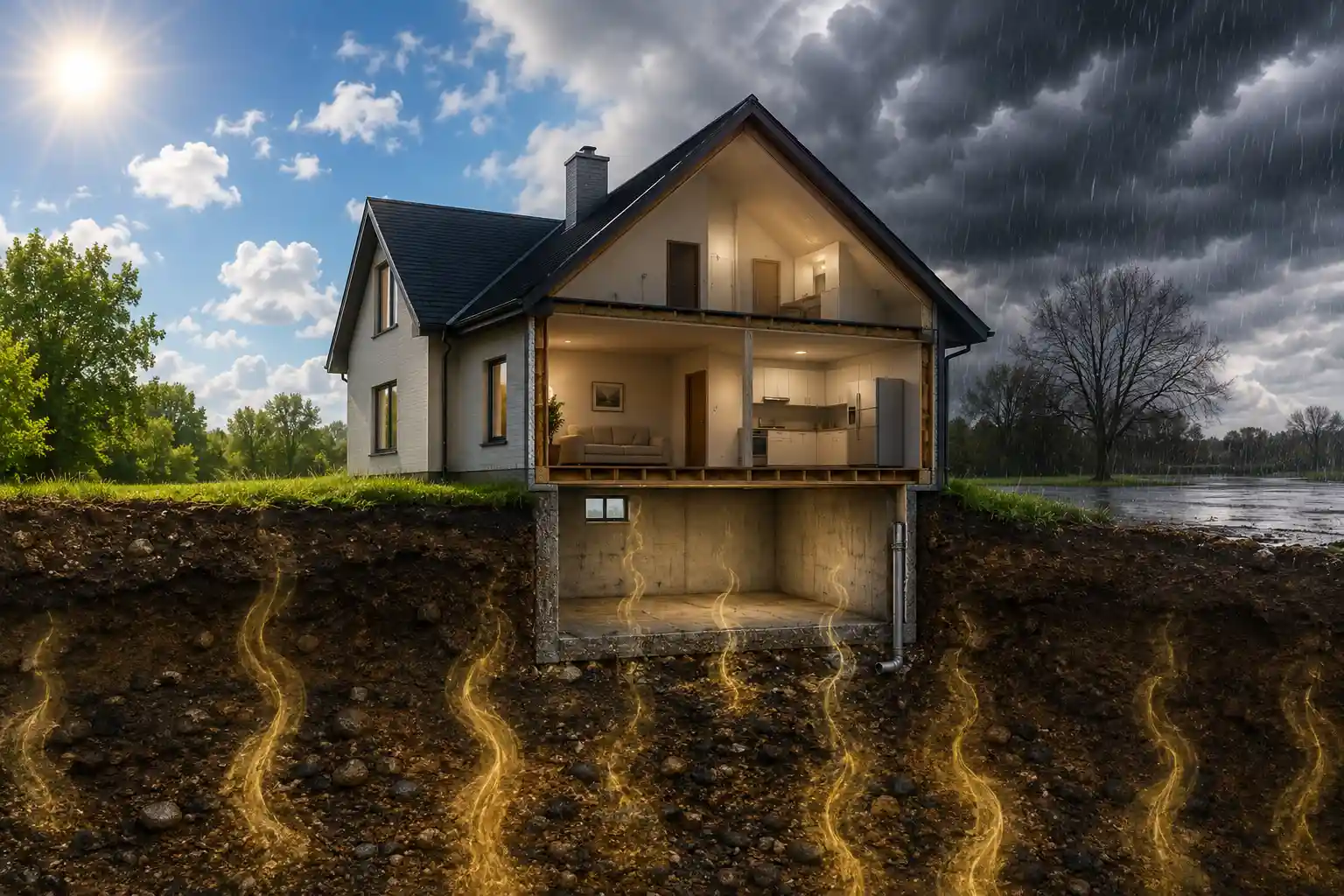
Radon forms naturally when uranium in soil, rock, and water breaks down over time. This radioactive decay process releases radon gas, which rises through the ground and can enter buildings through cracks in foundations, construction joints, and gaps around pipes.

Once inside your home, radon gets trapped and accumulates to potentially dangerous concentrations.

The gas itself won’t harm you, but radon decay produces radioactive particles that attach to dust and other airborne materials. When you breathe these particles into your lungs, they emit alpha radiation that damages lung tissue at the cellular level.

Over years of exposure, this damage can trigger genetic mutations leading to lung cancer. The presence of elevated radon levels in a home is often referred to as a radon problem, and it is important to address this issue through proper radon mitigation installation to reduce health risks.

The Environmental Protection Agency (EPA) identifies radon as the second leading cause of lung cancer in the United States.

Geography plays a huge role in radon risk. Some regions have naturally high uranium concentrations in bedrock and soil, making elevated indoor radon levels more common.

The Midwest, for instance, sees higher radon readings than many coastal areas. Testing remains the only reliable way to know your home’s radon concentration, regardless of where you live.

Radon Formation and Movement

Radon is a naturally occurring radioactive gas that results from the breakdown of uranium found in soil, rock, and groundwater. As this radioactive gas forms, it seeps upward through the soil, following the path of least resistance.

When it encounters a building, radon can slip inside through even the smallest cracks in the foundation, construction joints, or gaps around pipes and utility lines.

The way radon moves is influenced by several factors, including the type of soil beneath your home, how moist or dry that soil is, and the air pressure differences between the ground and your indoor spaces.

For example, when the air pressure inside your home is lower than the pressure in the soil, it can actually draw radon in much like a vacuum. Understanding how radon forms and migrates is the first step in designing an effective radon mitigation strategy, ensuring that this invisible radioactive gas doesn’t accumulate to dangerous levels indoors.

The Radiation Hormesis Theory

Hormesis describes a biological phenomenon where low doses of something harmful might produce beneficial effects, even though higher doses cause damage. Think of it like exercise: moderate physical stress strengthens your body, while extreme exertion causes injury.

Radiation hormesis proponents argue that small amounts of ionizing radiation, including radon, trigger protective cellular responses. These responses supposedly include enhanced DNA repair mechanisms, improved immune function, and increased production of antioxidants.

According to this theory, our bodies evolved with constant low-level radiation exposure from natural sources, and these tiny doses keep our cellular defense systems sharp.

Some researchers point to studies showing lower cancer rates in areas with naturally elevated background radiation. Others reference laboratory experiments where low radiation doses appeared to reduce tumor formation in animals previously exposed to carcinogens.

A handful of scientists have even suggested that modern buildings, sealed tight for energy efficiency, might trap too little radon rather than too much.

The hormesis hypothesis has led to unconventional practices in some countries. Radon spas in Europe and Japan attract visitors who believe breathing radon-enriched air or bathing in radon-infused water treats arthritis, diabetes, and other conditions.

These facilities typically cost hundreds of dollars per session and make bold health claims that mainstream medicine rejects.

What Mainstream Science Says About Radon

Approximately 21,000 Americans die from radon-induced lung cancer annually, according to EPA estimates. Smokers face especially high risk because tobacco damage and radon exposure multiply each other’s effects rather than simply adding together.

Non-smokers exposed to elevated radon still face significant lung cancer risk, though lower than smokers. Radon mitigation installation leads to reduced risk by significantly lowering radon levels in homes, thereby decreasing the overall health risk for all occupants.

Homeowners should consider correcting a radon problem before selling a home to reduce health risks for current occupants.

The Problem With Cherry-Picking Data

Hormesis advocates often cite selective studies while ignoring contradictory evidence. They might reference a single paper showing lower cancer rates in high-background-radiation areas without mentioning the dozen studies finding no such correlation or showing the opposite pattern.

Statistical noise and confounding variables complicate ecological studies that compare disease rates across regions.

Populations in different areas vary in countless ways beyond radiation exposure: diet, healthcare access, smoking rates, occupational hazards, genetic factors, and pollution levels all influence cancer rates. Attributing health differences solely to natural radiation oversimplifies complex causation.

Laboratory studies showing potential benefits from low-dose radiation often use artificial experimental conditions that poorly represent real-world human exposure.

A mouse receiving brief, controlled radiation in a lab differs dramatically from a person breathing radon decay products daily for decades. Extrapolating from one scenario to another requires caution that hormesis proponents sometimes abandon.

Publication bias also skews the literature. Studies finding unexpected or controversial results get published more readily than studies finding nothing unusual. This creates a misleading impression that evidence for hormesis is stronger than it actually is.

When You Should Definitely Test For Radon

Every home should be tested for radon, regardless of construction type, age, or location. Testing is inexpensive, simple, and provides crucial information about your indoor air quality. Radon test kits are a convenient and accessible method for homeowners to measure radon levels inside their homes, and are widely available.

Short-term tests take two to seven days, while long-term tests run for at least three months and provide more reliable annual average readings. For ongoing radon level readings and to monitor fluctuations over time, a continuous radon monitor can be used.

The EPA recommends taking action if test results show radon levels at or above 4 picocuries per liter (pCi/L). At this concentration, your lung cancer risk from radon roughly equals the risk non-smokers face from secondhand smoke or the risk drivers face from car accidents.

Many health experts suggest considering mitigation at even lower levels, particularly for smokers or households with children. In addition to reducing radon, radon mitigation systems can help reduce humidity levels in the basement by limiting the infiltration of moist soil air.

Several situations demand immediate testing. If you’ve never tested your home, start now. Test again if you’ve made structural changes affecting airflow, finished a basement, or if your neighbor discovers elevated radon.

Real estate transactions typically require radon testing, protecting buyers from unknowingly purchasing homes with hazardous air quality.

Testing is especially important in regions known for elevated radon, though no area is immune. A Milwaukee Radon Home inspection revealed dangerous levels in a neighborhood where previous testing showed low concentrations, demonstrating that individual building characteristics matter more than broad geographic patterns.

Vapor Intrusion occurs when volatile chemicals from contaminated soil or groundwater enter buildings through cracks and openings in foundations.

This process resembles radon entry but involves human-made pollutants like petroleum products, industrial solvents, and dry cleaning chemicals rather than naturally occurring radioactive gas.

Properties near former gas stations, dry cleaners, industrial sites, or contaminated groundwater plumes face vapor intrusion risk.

These chemicals can accumulate indoors to concentrations harmful to human health, causing symptoms ranging from headaches and dizziness to serious organ damage with chronic exposure.

Radon mitigation systems can sometimes address vapor intrusion concerns simultaneously. Active soil depressurization, the most common radon reduction technique, creates negative pressure beneath the foundation that prevents both radon and chemical vapors from entering.

However, vapor intrusion often requires specialized assessment and remediation beyond standard radon mitigation.

Property buyers should request vapor intrusion assessments for homes near known contamination sites. Environmental consultants can evaluate risk based on contamination levels, building construction, and soil conditions.

State environmental agencies maintain databases of contaminated sites that help identify properties potentially affected by vapor intrusion.

How Radon Mitigation Actually Works

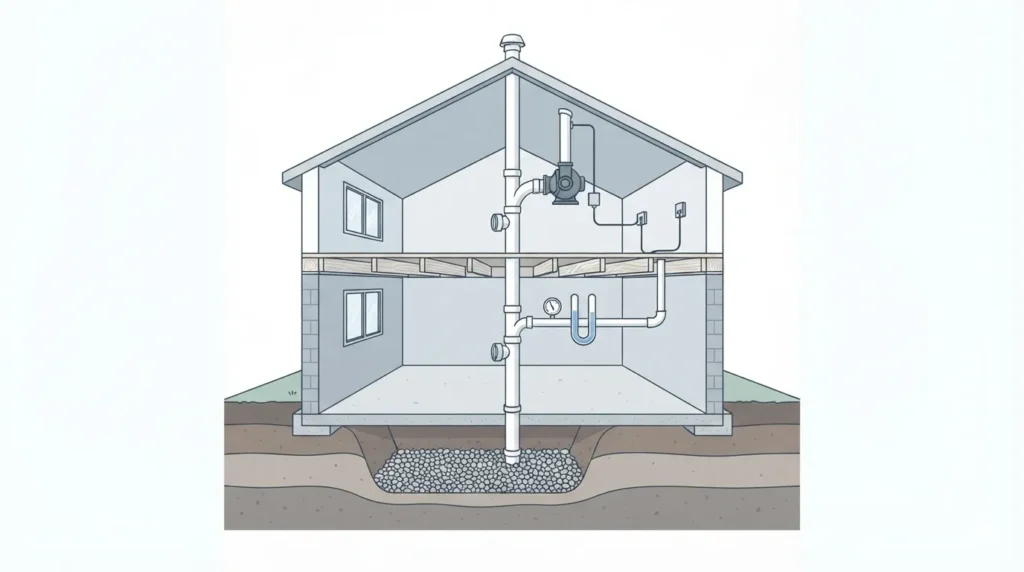
The first step in installing a radon mitigation system is to create a suction point in the basement slab. Active soil depressurization systems address elevated radon by preventing the gas from entering your home.

A specialist performs a professional assessment, analyzing the home’s foundation and drainage system including the presence of drain tile to determine the most effective radon reduction methods.

The installation involves drilling a hole in the foundation or basement floor for a suction pipe, sealing and insulating pipes within the basement floor, and addressing all pipe penetrations.

The suction pipe, typically made of PVC pipe, is connected to a specialized fan that is usually installed in an unconditioned space, such as an attic or garage, to prevent radon from re-entering the home. The exhaust pipe must be properly placed and vented above the roofline to ensure safe dispersal of radon gas.

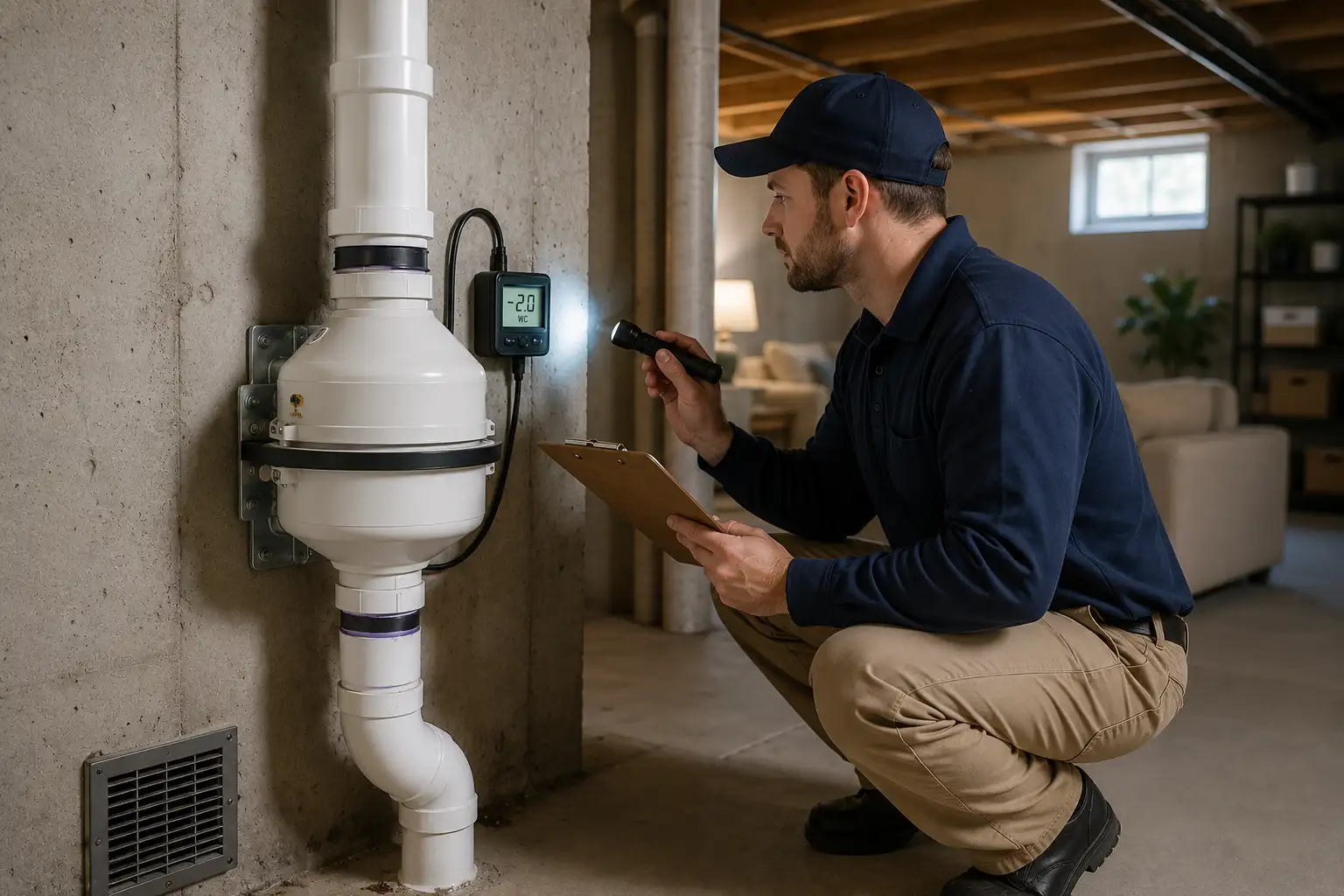
Hydraulic cement is used to seal and waterproof holes or gaps, especially around pipes entering concrete slabs or foundations, and all cracks and pipe penetrations are sealed to reduce radon concentrations. A manometer is installed in the basement to monitor the pressure differential and ensure the fan is operating correctly.

Active soil depressurization can pull up to half a gallon of water vapor per hour from beneath a home’s foundation. These systems prove remarkably effective, with standard radon reduction systems typically reducing indoor radon concentrations by 80 to 99 percent within 24 hours and often including a monitor.

A properly designed and installed radon reduction system should lower concentrations well below the EPA action level. Post-mitigation testing confirms the system works correctly and maintains safe indoor air quality.

Operating costs for a radon mitigation system include electricity consumption for the fan and may impact heating and cooling due to increased ventilation. Installing a radon mitigation system requires specific knowledge, skills, and equipment to ensure effectiveness and safety.

Passive systems use natural pressure differences and airflow without mechanical fans. They work in some situations but generally prove less effective than active systems. Many builders install passive radon systems during construction, allowing easy conversion to active systems later if testing reveals elevated levels.

System design varies based on foundation type, soil conditions, and building construction. Homes with basements typically need different approaches than slab-on-grade buildings or crawl spaces. Qualified professionals assess each situation individually to design effective solutions.

Components of a Mitigation System

A well-designed radon mitigation system is made up of several essential components, each playing a critical role in reducing radon concentrations in your home. At the heart of the mitigation system is the radon fan, which creates a pressure differential by pulling radon-laden air from beneath your foundation or crawl space.

This air is then channeled through a network of vent pipes often made of durable PVC that safely direct the radioactive gas above your roofline, where it disperses harmlessly into the outdoor air.

The system’s suction point is typically located in the basement, crawl space, or beneath a concrete slab, depending on your home’s construction.

To ensure the system is working properly, a manometer is often installed to measure the pressure differential, and a warning device may be included to alert you if the radon fan stops working.

The specific components and layout of your radon mitigation system will vary depending on your home’s design, but every effective mitigation system shares these core elements to keep your indoor air safe.

DIY vs Professional Installation

While some homeowners may be tempted to install a radon mitigation system themselves, hiring a certified professional is almost always the most cost effective solution.

Certified radon mitigation professionals bring technical knowledge, specialized tools, and years of experience to the table, ensuring your mitigation system is installed correctly and meets all local building and electrical codes.

They can assess your home’s unique needs, recommend the best mitigation system design, and handle any necessary permits. Importantly, professional installers typically carry liability insurance, providing you with peace of mind in case of accidental damage or unforeseen issues.

Attempting a DIY installation without the right expertise can lead to ineffective radon reduction, wasted money, and ongoing health risks. For most homeowners, trusting a certified professional to install a radon mitigation system is the safest and most reliable way to reduce radon and protect your family.

Cost of Radon Mitigation System Installation

The cost of installing a radon mitigation system can vary depending on several factors, including the type of mitigation system required, the size and layout of your home, and the complexity of the installation.

On average, homeowners can expect to pay between $1,000 and $3,000 for a complete radon mitigation system installation, though prices may be higher or lower depending on your specific situation.

Factors such as the number of suction points needed, the presence of a crawl space, or the need to route vent pipes discreetly can all influence the final cost. It’s wise to get quotes from multiple certified professionals to compare both price and the scope of services offered.

In some areas, state or local authorities may provide financial assistance or incentives to help offset the cost of radon mitigation, making it more affordable to protect your home from this radioactive gas.

Maintaining Your Radon Mitigation System

Like any mechanical system, radon mitigation equipment requires periodic attention. The fan runs continuously, creating consistent suction beneath your foundation.

If the fan fails, radon level will gradually rise back toward pre-mitigation concentrations. Most radon reduction systems include a monitor that will alert you if the system needs servicing.

Most radon fans include visual or audible indicators showing the system operates correctly. Check these indicators monthly and listen for changes in fan noise that might signal problems.

Systems typically include manometers, simple U-shaped tubes partially filled with liquid that show pressure differences created by fan operation.

Radon System Repair & Fan Replacement becomes necessary when equipment fails or performance degrades. Fans typically last 10 to 15 years before requiring replacement. Other components rarely need attention, though animals occasionally damage exterior pipes or severe weather impacts roof penetrations.

Professional inspection every two years helps identify potential issues before complete system failure. Systems should be designed and installed by certified professionals and re-tested every two to five years to ensure ongoing performance.

Technicians check fan operation, inspect pipes for damage or disconnection, verify proper sealing around the foundation penetration, and measure system suction. They can spot worn fan bearings or deteriorating seals that might fail soon.

Testing radon level every two years, even with an operating mitigation system, confirms ongoing effectiveness. Homes settle over time, creating new foundation cracks or gaps that could allow radon entry.

Remodelling or other structural changes sometimes affect system performance. Regular testing provides peace of mind that your indoor air remains safe.

Testing After Installation

Once your radon mitigation system is up and running, it’s essential to verify that it’s effectively reducing radon levels in your home. A post mitigation radon test should be conducted no sooner than 24 hours and no later than 30 days after the mitigation system is activated.

For the most reliable results, this test should be performed by an independent tester, ensuring there’s no conflict of interest. The goal is to confirm that radon levels have dropped below the EPA’s recommended action level of 4 pCi/L, or even lower if possible.

If the post mitigation radon test shows that radon concentrations remain high, your mitigation system may need adjustment or additional work. To ensure ongoing protection, regular radon testing typically every two years or as required by your state or local authority is recommended.

This ongoing vigilance helps guarantee that your radon levels remain low and your home stays safe for years to come.

When To Call A Professional

DIY radon reduction appeals to handy homeowners but often proves counterproductive. Improperly designed or installed systems waste money while leaving dangerous radon levels unchanged.

Qualified radon professionals understand building science, pressure dynamics, and local geology in ways that internet research cannot replicate.

Certification programs like theNational Radon Proficiency Program (NRPP) or National Radon Safety Board (NRSB) the two national organizations that certify radon mitigation professionals train and test radon professionals on proper testing and mitigation techniques.

The EPA recommends that you hire a contractor who is either state or nationally certified. In Minnesota, radon mitigation professionals are required to be licensed. Homeowners should always ask about a radon contractor’s training and credentials. These credentials indicate genuine expertise rather than self-proclaimed knowledge.

Warning signs of elevated radon never appear because the gas is colorless, odorless, and tasteless. You cannot feel radon exposure or detect it with your senses. Testing provides the only way to know your indoor radon concentration. Once you discover elevated levels, professional mitigation becomes the responsible choice.

Companies specializing in radon services understand local conditions and common building practices in their areas. They’ve encountered various foundation types, soil conditions, and construction styles.

This experience helps them design effective systems tailored to your specific situation. For immediate assistance with testing or mitigation concerns, calling 414 455 7279 connects you with qualified professionals who can evaluate your home and recommend appropriate solutions.

The Bottom Line On Radon Health Effects

Scientific evidence overwhelmingly demonstrates that radon exposure increases lung cancer risk. This conclusion rests on multiple independent research approaches: underground miner studies, residential case-control studies, ecological analyses, and biological research into radiation effects on lung tissue.

Radiation hormesis remains an intriguing hypothesis lacking convincing evidence in humans, particularly regarding radon. While low-dose radiation might theoretically provide benefits under specific circumstances, no reputable health organization recommends radon exposure as health-promoting.

The precautionary principle suggests avoiding unnecessary risk, especially when simple solutions exist. Testing your home for radon costs under $20 for DIY kits or slightly more for professional testing.

Mitigation systems range from $800 to $2,500 depending on home characteristics and local labor costs, which is about the same cost as other common home repairs, such as painting or having a hot water heater installed.

In fact, the cost of radon mitigation can be similar to other common home repairs, such as painting or installing a new hot water heater.

Installing a new hot water heater is a common comparable expense to radon mitigation, making both important investments in home safety and maintenance. These modest investments buy significant lung cancer risk reduction.

Smoking magnifies radon risk enormously. Smokers exposed to elevated radon face lung cancer risk many times higher than either factor alone would cause. Quitting smoking remains the single most important step smokers can take to reduce lung cancer risk, but addressing radon exposure matters too.

Making Informed Decisions About Your Home

Radon testing should be part of routine home maintenance alongside checking smoke detectors, servicing furnaces, and cleaning gutters. The gas’s invisible nature means problems never announce themselves until serious health consequences appear decades later.

If a building undergoes significant alteration, or after any significant alteration such as renovations or major modifications, radon levels should be retested to ensure the mitigation system remains effective.

Home buyers should insist on radon testing before purchase and negotiate remediation or price reductions for properties with elevated levels. Sellers benefit from testing before listing because addressing radon concerns proactively prevents deal complications during negotiations.

Renters in areas with elevated radon should request testing from landlords. Some states require landlords to test for radon or disclose known elevated levels. Even without legal requirements, tenants have legitimate safety concerns about long-term radon exposure.

New construction offers opportunities to install passive radon systems during building for minimal cost. Converting passive systems to active ones later costs far less than installing complete systems after construction. Forward-thinking builders include radon-resistant construction techniques as standard practice.

FAQ Section

What exactly makes radon dangerous to human health?

Radon itself is a radioactive noble gas that does not chemically react with your body. The danger comes from radioactive decay products that form when radon breaks down, particularly polonium isotopes.

Can opening windows reduce radon levels in my home?

Opening windows temporarily increases ventilation and can lower radon concentrations while they remain open. However, this is not a practical long-term solution because most people cannot keep windows open year-round due to weather, security concerns, and energy costs.

How long does radon exposure take to cause health problems?

Radon-related lung cancer typically develops after 15 to 25 years of exposure to elevated concentrations. This long latency period means you will not experience immediate symptoms from radon exposure. The cancer risk is cumulative, meaning longer exposure to higher concentrations increases your probability of developing lung cancer.

Is radon testing required when selling a home?

Radon testing requirements vary by location and situation. Many states do not legally require sellers to test for radon before listing properties, though some mandate disclosure if the seller knows about elevated levels.

Can I install a radon mitigation system myself, or should I hire a professional?

While hiring a professional is recommended for most homeowners due to the expertise, equipment, and adherence to local codes required, diy mitigation is an option for those with the necessary skills and knowledge.

Conclusion

The question of whether radon can be good for you has a clear answer supported by overwhelming scientific evidence: no. While radiation hormesis presents an interesting theoretical concept, credible research consistently shows that radon exposure increases lung cancer risk at any concentration, with no demonstrated health benefits.

The good news is that radon problems are completely solvable. Testing is simple and inexpensive, mitigation systems work reliably, and ongoing maintenance keeps your indoor air safe indefinitely.

Unlike many environmental health hazards, radon offers straightforward solutions that give you complete control over your exposure.

Every homeowner should test their property for radon and take action if levels reach or exceed EPA guidelines. This preventive step protects your family from one of the most common preventable causes of lung cancer. The small investment in testing and potential mitigation delivers enormous returns in reduced health risk.

Do not gamble with your family’s health based on fringe theories that contradict established science. Test your home, address problems if they exist, maintain your mitigation system if installed, and retest periodically.

These simple actions let you breathe easy, knowing your indoor air quality supports long-term health rather than threatening it.
Share:

Related Posts