

The Importance of Seeking Medical Advice After Radon Exposure

Picture of Brian Thompson
Brian Thompson

August 3, 2025

Healthcare concept showing the importance of consulting medical professionals for health concerns

Radon exposure is one of those risks people rarely think about until they are forced to. It has no smell, no taste, and no immediate symptoms that make you feel unwell the moment you encounter it. Yet it is responsible for thousands of lung cancer cases every year in the United States.

When people finally discover elevated radon levels in their home or workplace, the first reaction is often panic followed by confusion. Should you worry? Should you test again? Should you see a doctor? Seeking medical advice after radon exposure is not about overreacting.

It is about taking informed steps to protect your long term health. Radon is a cumulative risk, meaning the danger builds over time. Understanding how exposure works, what doctors can and cannot detect, and how medical guidance for radon response plans can make a real difference for you and your family.

Radon

Radon is a naturally occurring radioactive gas that can be found in soil, water, and air all around us. While you can’t see, smell, or taste radon gas, it poses a very real health risk.

According to the Environmental Protection Agency (EPA), radon exposure is the second leading cause of lung cancer in the United States, responsible for an estimated 21,000 lung cancer deaths each year. This makes radon a leading cause of lung cancer, surpassed only by cigarette smoking.

The EPA’s Indoor Environments Division is a key authority on radon health risks, providing guidance and research on indoor radon hazards.

Because radon is invisible and odourless, it can accumulate indoors without anyone realizing it, especially in basements and lower levels of homes. The World Health Organization and the American Cancer Society both stress the importance of taking steps to reduce radon exposure as a key part of cancer prevention.

EPA estimates show that reducing radon in homes can significantly lower the risk of developing lung cancer, making it crucial for homeowners to be proactive about getting their home tested.

Testing requires little effort and can be done using do-it-yourself test kits or by hiring a professional. Kansas State University, through its engineering extension, offers educational resources and expertise on radon mitigation and public health safety. Remember, radon is a natural substance, but its health effects are preventable with the right actions.

Understanding Radon Exposure Symptoms in Everyday Life

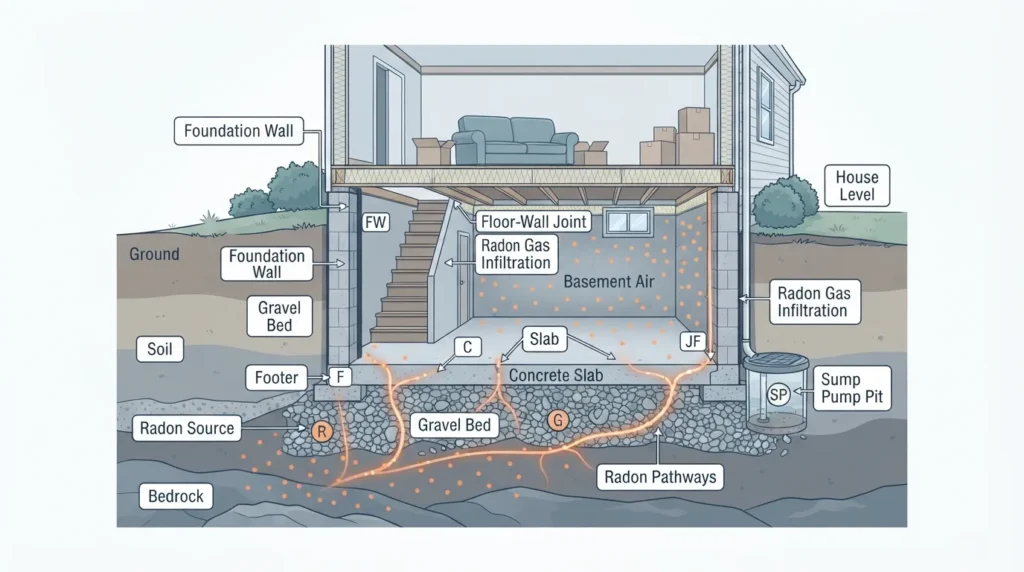
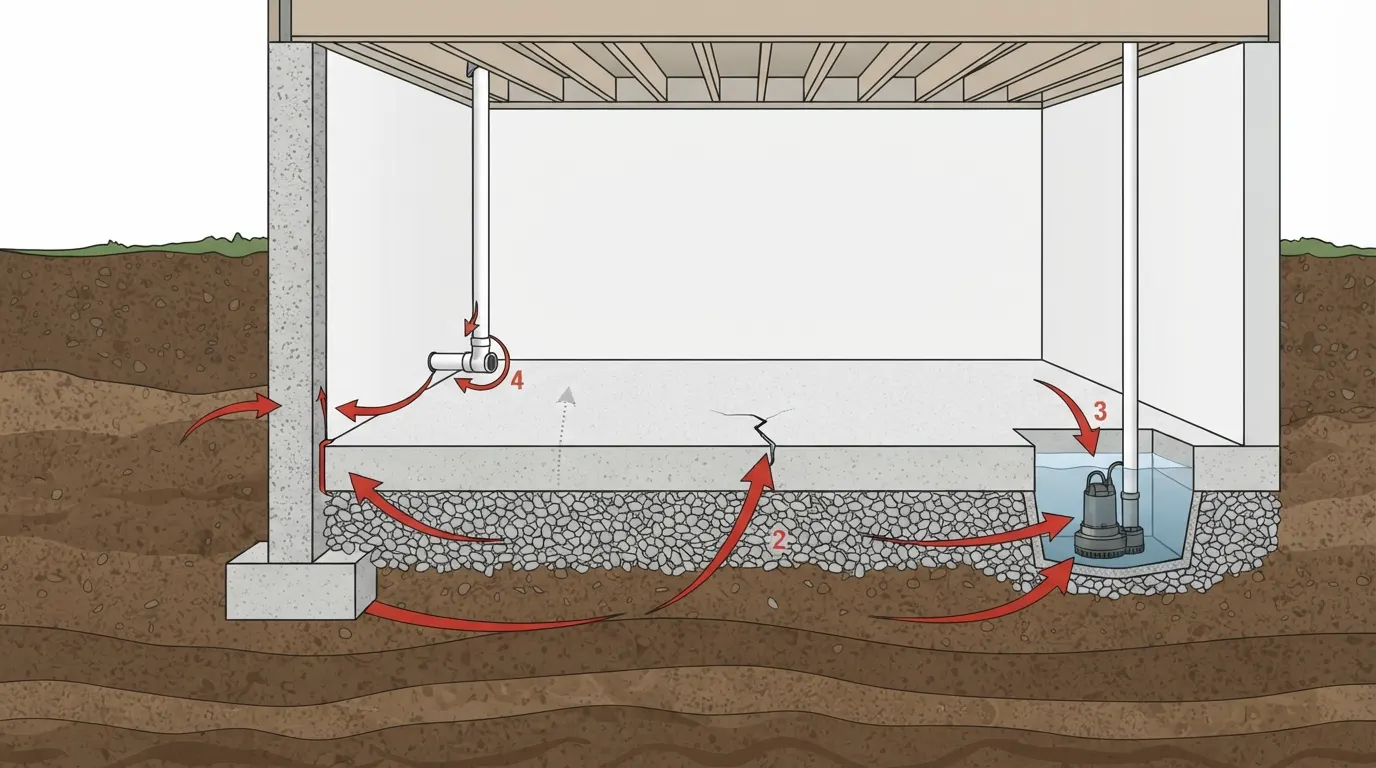
Radon is a naturally occurring radioactive gas that is odorless, colorless, and tasteless, released from the breakdown of uranium in soil and rock. It seeps into buildings through cracks in foundations, construction joints, sump pits, crawl spaces, and utility penetrations.

Crawl spaces are common entry points where radon can accumulate before moving into living areas, allowing the gas to build up before it migrates into occupied spaces.

Radon can also enter homes from natural substances such as certain building materials (like concrete, wallboard, and granite countertops) and phosphate fertilizers. Once inside, it can accumulate to elevated levels, especially in lower areas like basements, increasing health risks.

In regions with certain soil conditions, radon exposure is more common than many homeowners realize. Wisconsin is one such area.

Homes that appear well built and well maintained can still have elevated radon levels. Even new construction is not immune, as some natural building materials can emit radon and impact indoor concentrations.

The average home in the U.S. has a radon level of 1.3 picocuries per liter (pCi/L), which is considered safe, but the EPA estimates that about 6 million homes in the U.S. exceed 4 pCi/L, which is the action level for radon.

What makes radon particularly dangerous is its invisibility. People live with it for years without knowing. During that time, radioactive particles from breathed radon are inhaled into the lungs, where they can damage tissue and increase the risk of cancer.

Deaths occur as a result of long-term exposure to breathed radon, particularly due to lung cancer. Exposure to radon is the second leading cause of lung cancer in the United States after smoking, causing approximately 21,000 lung cancer deaths per year.

Occupational studies of underground miners first provided direct evidence of the link between radon and lung cancer, and several previous residential studies have confirmed this risk in homes.

The EPA assessment and recent scientific research findings effectively end debate about the health risks of radon exposure, conclusively confirming that even low levels can lead to lung cancer.

Testing for radon is crucial for early detection because many symptoms overlap with other conditions. Smoking significantly increases this risk, but non smokers are also affected.

Radon exposure can also occur through Vapor Intrusion, a process where gases from contaminated soil enter indoor air. While often discussed in relation to industrial chemicals, radon is one of the most common soil gases involved in this process.

Geographical Factors and Radon

Where you live can have a major impact on your risk of radon exposure. The Environmental Protection Agency (EPA) has mapped out regions across the United States where radon levels are naturally higher due to the underlying geology.

Areas with soil and rock formations rich in uranium such as granite, limestone, and shale are more likely to release radon gas into the environment. In addition, regions with fractured rock or underground limestone caverns can allow radon to move more freely and accumulate in homes.

If you live in a high-risk area identified by the EPA, your chances of exposure and therefore your risk of developing lung cancer from radon exposure are significantly increased.

Even if your home is well built, these geographical factors can still lead to high radon levels indoors. That’s why the EPA strongly recommends that homeowners in these regions test for radon and take action if levels are elevated.

Understanding the connection between your local geology and radon risk empowers you to take proactive steps to protect your health and reduce the risk of cancer from radon exposure.

Why Radon Exposure and Lung Cancer Should Be Taken Seriously

Radon is the second leading cause of lung cancer overall and the leading cause among non smokers. Radon poisoning does not cause immediate symptoms, making it especially dangerous, and radon-related lung cancer is a major health concern.

The health impact is not hypothetical. It is well documented through decades of research. The challenge is that radon related illnesses do not appear quickly. Symptoms of radon exposure typically only appear after lung cancer has developed, often 5 to 25 years following initial exposure.

Radon exposure symptoms typically emerge years later as lung cancer or chronic respiratory issues. By the time someone is diagnosed with lung cancer, the exposure that contributed to it may have happened long ago. Importantly, there is no specific clinical diagnosis for ‘radon exposure diagnosed’ as a distinct subtype of lung cancer, making it difficult to differentiate radon-induced lung cancer from other types.

Radon health risks and radon related risks are influenced by many factors, including the level and duration of exposure, and individual risk factors such as smoking history and genetics.

This delayed effect leads many people to underestimate the importance of early medical guidance. They assume that if they feel fine, there is nothing to worry about. That assumption can be dangerous.

Understanding your personal risk of radon and consulting a healthcare provider about your risk factors is crucial. Seeking medical advice does not mean a doctor can immediately tell whether radon has harmed you. Instead, it allows for risk assessment, baseline evaluation, and informed monitoring over time.

Home Testing for Radon

Testing your home for radon is one of the most important steps you can take to protect your family from the risk of developing lung cancer.

The EPA recommends that every home be tested for radon levels at least every one to two years, even if previous results were within a safe range. Radon levels can change over time due to factors like weather, home renovations, or changes in the soil.

You can easily purchase a do-it-yourself radon test kit from a hardware store or online, or you can hire a professional to conduct a more comprehensive test.

If you use a test kit, be sure to follow the instructions carefully most kits require you to leave the device in a specific location for a set period, then mail it to a lab for analysis. The results will indicate whether your home has high radon levels and if further action is needed.

If your test results show elevated radon levels, it’s important to act quickly. High radon levels increase your risk of lung cancer, but professional radon mitigation systems can effectively reduce radon in your home. Taking these steps not only lowers your risk but also gives you peace of mind that you’re protecting your health and your loved ones.

Homeowner Responsibility

Taking responsibility for radon exposure in your home is one of the most important steps you can take to protect your family’s health. The EPA estimates that nearly 1 in 15 homes in the U.S. has elevated radon levels, putting millions at risk of lung cancer.

As a homeowner, you can reduce radon levels by testing your home, sealing cracks and gaps in the foundation, and installing a radon mitigation system if needed. These actions are essential for lowering the risk of lung cancer and other health risks associated with radon exposure.

The American Cancer Society recommends testing your home for radon every two years, even if previous results were low, because radon levels can change over time. Regular health checkups are also important for early detection of any potential health issues.

By staying vigilant and following EPA estimates and guidelines, you can reduce radon exposure, lower your risk, and help prevent lung cancer. Taking these steps not only protects your own health but also demonstrates a commitment to the well-being of everyone in your household.

What Medical Advice Can and Cannot Do After Radon Exposure

It is important to be realistic about what a healthcare provider can offer. There is no simple blood test or scan that can definitively prove radon exposure damage in its early stages. That does not mean medical consultation is pointless. Quite the opposite.

A doctor can evaluate your overall risk based on several factors:

  • Length of exposure
  • Estimated radon levels
  • Smoking history (including whether you are a former smoker)
  • Family history of lung disease
  • Age and general health

Doctors calculate risks by considering how much radon has been breathed, and recognize that various factors influence the overall risk, such as geological features, building materials, and construction features that affect radon infiltration. Whether you are a former smoker also significantly impacts your risk assessment.

Based on this information, a healthcare provider may recommend baseline imaging, pulmonary function tests, or periodic monitoring. These steps help establish a reference point so changes can be detected earlier if they occur.

Doctors can also educate patients about warning signs that should not be ignored. Persistent cough, chest pain, shortness of breath, or unexplained weight loss are symptoms that require prompt evaluation regardless of cause.

Symptoms of lung cancer may include a nagging cough, shortness of breath, or wheezing that doesn’t go away. Coughing up blood, having chest pain, or losing weight without trying are also symptoms of lung cancer.

Medical advice also provides peace of mind. Many people carry anxiety after discovering radon in their home. Talking to a professional helps replace fear with facts and a clear plan.

Diagnosing Radon Exposure

Diagnosing radon exposure can be challenging because there are no unique symptoms that point directly to radon. In fact, early signs of significant radon exposure often mirror the symptoms that appear before a lung cancer diagnosis, such as a persistent cough or shortness of breath.

This makes it especially important to be proactive if you suspect you’ve been exposed to radon. If you know or suspect that you’ve been exposed to high radon levels, a medical evaluation is recommended. Regular health checkups are crucial for identifying potential health risks early, even if you feel healthy.

The American Cancer Society encourages routine screenings and checkups as a way to reduce the risk of lung cancer and catch any issues as soon as possible. By staying vigilant and working with your healthcare provider, you can better manage your risk of lung cancer and take steps to protect your long-term health.

Radon Exposure in Former Smokers

If you are a former smoker, it’s important to know that your risk of developing lung cancer from radon exposure remains higher than that of someone who has never smoked.

The EPA identifies radon as the second leading cause of lung cancer in the United States, and former smokers are particularly vulnerable to radon-related lung cancer because their lung tissue may already be compromised from past smoking.

This means that even after quitting, exposure to radon can still significantly increase your risk of lung cancer. The World Health Organization recommends that former smokers take extra precautions, such as testing their homes for radon and installing a radon mitigation system if necessary.

Regular health checkups are also crucial for monitoring lung health and catching any early signs of disease. By understanding the ongoing risks of radon exposure, former smokers can take proactive steps to reduce their risk of developing lung cancer and ensure that their efforts to improve their health are fully supported.

Taking action now can make a meaningful difference in preventing cancer from radon exposure.

Timing Matters When Seeking Medical Guidance

One of the most common questions is when to see a doctor. The answer depends on individual circumstances, but sooner is generally better than later.

If you have discovered increased radon levels and believe exposure may have occurred over many years, it is reasonable to schedule a medical consultation.

Radon exposure raises the risk of developing lung cancer, especially for smokers, whose risk is increased by 10 to 20 times. This is especially true for current or former smokers, as the combined risk is significantly higher.

If you are pregnant or have young children, medical guidance is also valuable. Experts estimate that children and pregnant women may be more vulnerable to the effects of increased radon levels. While radon primarily affects lung tissue, understanding overall household health risks is important for long term planning.

Medical advice should not replace radon mitigation. It should complement it. Reducing exposure is always the first priority.

The Role of Professional Mitigation in Health Protection

Medical consultation is only one part of the solution. If radon levels remain high, continued exposure undermines any health monitoring efforts.

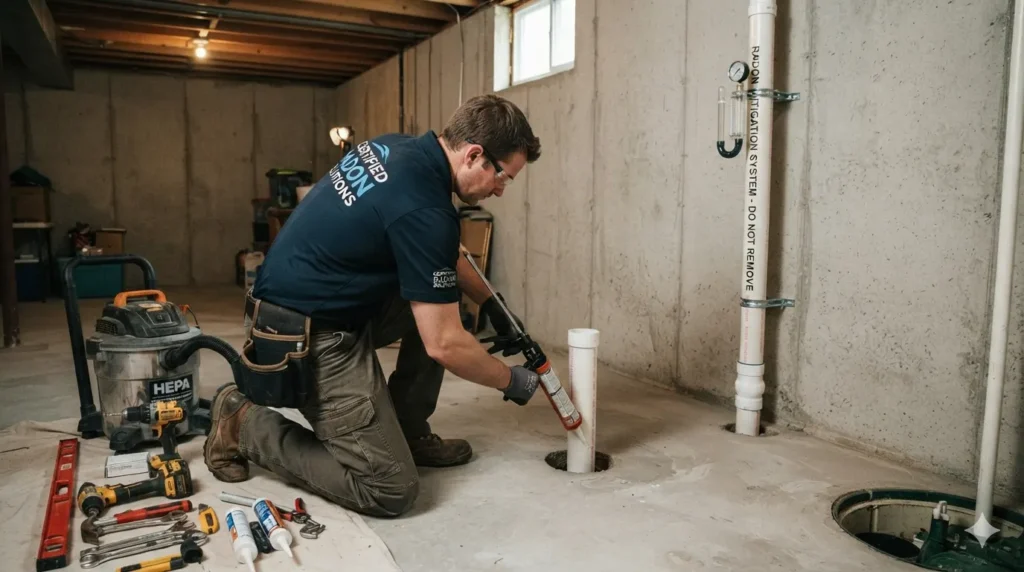
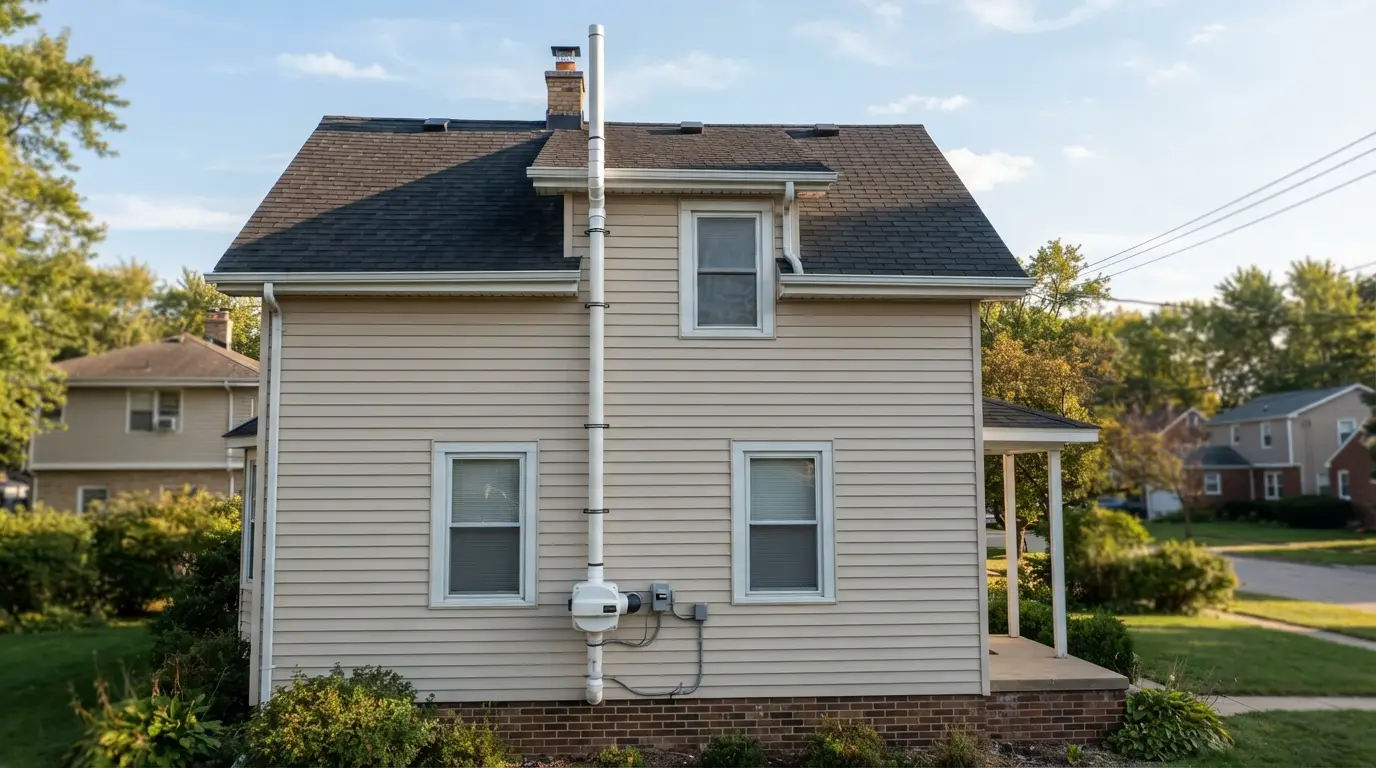
Professional mitigation addresses the source of the problem. These systems are designed to reduce radon levels, often using methods such as active soil depressurization, which redirects radon gas from beneath the home and safely vents it outdoors.

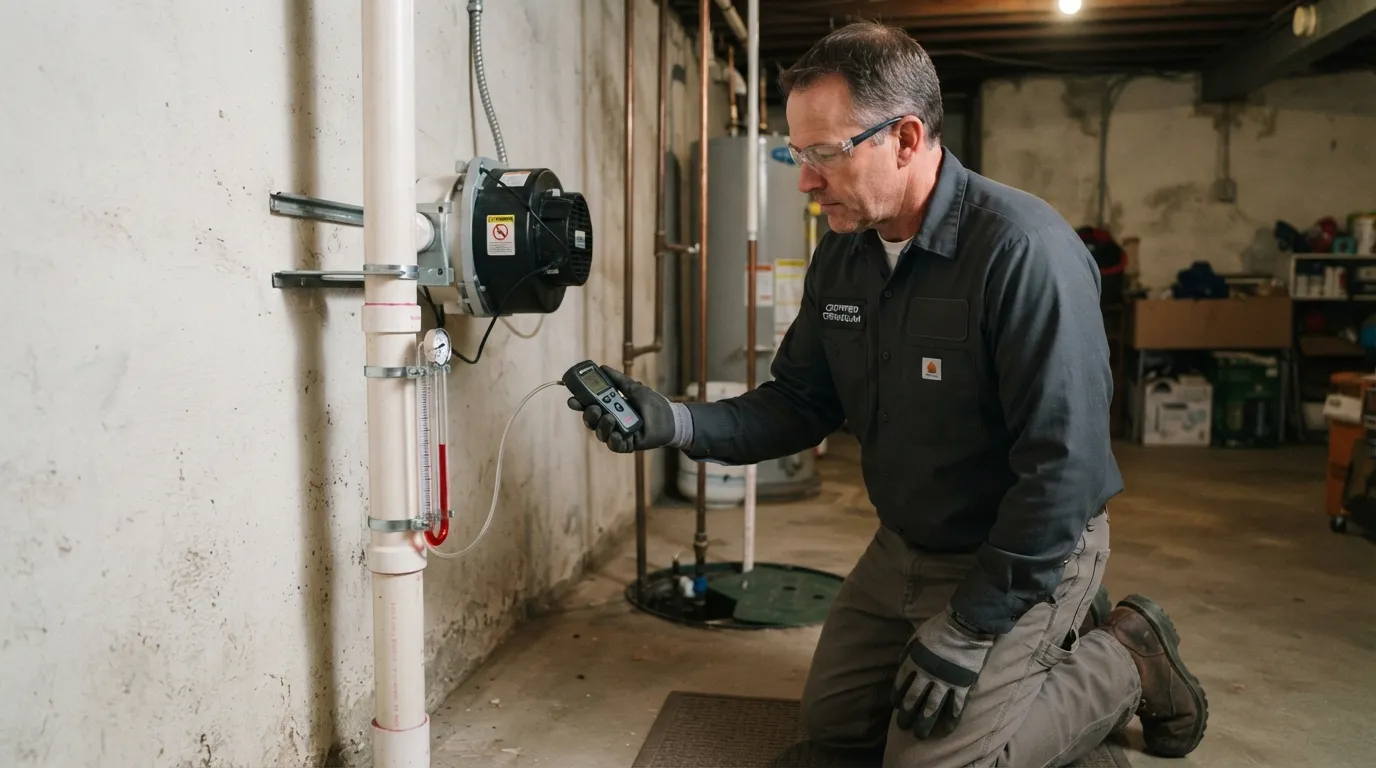
In some cases, existing systems may need Radon System Repair & Fan Replacement to function properly. Radon levels can be effectively reduced by as much as 99% through mitigation efforts. After mitigation, you should retest radon levels to ensure they have gone down.

Homes affected by Vapor Intrusion may require specialized assessment to ensure soil gases are effectively controlled. This is where certified professionals make a measurable difference.

Milwaukee Radon Home specializes in identifying radon entry points, designing effective mitigation systems, and ensuring long term performance. Their approach focuses on permanent risk reduction rather than temporary fixes.

For homeowners seeking guidance, calling 414 455 7279 connects you with local experts who understand regional soil conditions and building practices.

How Medical Advice and Mitigation Work Together

Think of medical advice and mitigation as two sides of the same strategy. One addresses health awareness and monitoring. The other eliminates ongoing exposure.

Combined data from multiple studies and research confirms that both medical monitoring and mitigation are necessary for effective risk reduction. Without mitigation, medical monitoring becomes an exercise in waiting. Without medical advice, mitigation alone may leave lingering anxiety about past exposure.

Together, they provide clarity. You reduce future risk while staying informed about your health. This combined approach empowers people rather than leaving them feeling helpless.

Doctors often encourage environmental risk reduction as part of preventive care. When patients can say they have addressed radon professionally, it strengthens the overall health plan.

Common Misconceptions About Radon and Health

Many misconceptions prevent people from seeking medical advice after radon exposure.

One common belief is that only smokers need to worry. While smokers are at higher risk, non smokers still face significant danger from long term exposure.

Another misconception is that short term exposure is harmless. Risk increases with duration, but even moderate levels over several years can matter.

Some believe that opening windows solves the problem. Ventilation can reduce levels temporarily but does not address the underlying source.

Finally, some assume that if no symptoms are present, there is no risk. Radon related illness often develops silently.

Definitive evidence from recent studies, building on earlier findings, has effectively ended debates about the health risks of radon exposure. These findings confirm that radon exposure is a serious risk for everyone, regardless of symptoms.

Understanding these misconceptions helps people make smarter decisions.

Emotional Impact of Discovering Radon Exposure

Health risk is not the only issue. Discovering radon in your home can be emotionally unsettling. People worry about their children, their partner, and their own future.

Medical advice plays an important role here. It provides reassurance based on evidence rather than fear. Doctors can explain relative risk, outline reasonable monitoring plans, and help patients avoid catastrophic thinking.

This emotional support is often overlooked but deeply valuable.

Special Considerations for Families and Children

Children have many years ahead of them, which means more time for potential effects to develop if exposure continues. While radon primarily affects lung tissue later in life, reducing exposure early is crucial.

The EPA’s Indoor Environments Division provides authoritative guidelines on protecting children from radon exposure, emphasizing the importance of early intervention.

Parents often struggle with guilt after discovering radon in their home. It is important to remember that radon is a natural hazard and not a result of neglect.

Seeking medical advice helps parents feel proactive rather than reactive. Combined with mitigation, it demonstrates responsible action.

Long Term Health Monitoring After Radon Exposure

For individuals with significant exposure history, doctors may recommend periodic checkups focused on respiratory health. This does not mean frequent scans or invasive tests. Often, it involves awareness and routine care.

Long-term health monitoring is especially important for those with a history of residential radon exposure, as radon health risks predicted by both occupational and residential studies support ongoing disease control efforts recommended by health authorities.

Lifestyle choices also matter. Avoiding smoking, maintaining good indoor air quality, and addressing other environmental risks all contribute to better outcomes.

Medical advice helps integrate radon exposure awareness into a broader health strategy rather than treating it as an isolated concern.

When to Seek Immediate Medical Attention

While radon exposure itself does not cause sudden illness, certain symptoms should never be ignored. Persistent cough, coughing up blood, unexplained chest pain, or worsening shortness of breath require prompt medical evaluation.

These symptoms are not specific to radon, but they demand professional attention regardless of cause.

FAQs

Can a doctor test my body for radon exposure directly?

No direct test can measure radon exposure in the body. Doctors assess risk using exposure history and overall health, then recommend monitoring based on individual factors.

Should non smokers see a doctor after radon exposure?

Yes. Radon is a leading cause of lung cancer among non-smokers. Medical advice helps evaluate risk and establish a health monitoring plan.

Is medical advice necessary if radon levels are now reduced?

It can still be valuable. Medical consultation addresses past exposure and provides guidance on long term health awareness even after mitigation.

Do children need medical evaluation after radon exposure?

Children generally do not need immediate testing, but discussing exposure with a paediatrician helps parents understand long term considerations and preventive care.

Can reducing radon levels eliminate all health risk?

Reducing radon levels significantly lowers future risk, but it cannot erase past exposure. That is why medical awareness remains important.

Conclusion

Radon exposure is a serious health risk, but it’s one you can control. Testing your home for radon and taking steps to reduce high radon levels are essential for lowering your risk of developing lung cancer.

Both the EPA and the World Health Organization recommend testing your home and taking action if radon levels are above 4 pCi/L.

By following these guidelines, you can reduce radon exposure, lower your risk, and help prevent lung cancer. If you discover high radon levels, contact your local health department or a certified radon mitigation specialist to learn more about your options for radon mitigation.

Remember, testing is the only way to know if your home has high radon levels, and taking action can save lives. Don’t wait to protect your health and your family by making radon testing and mitigation a priority.

Share:

Related Posts