
This question matters because understanding how radon moves through a home explains why it shows up in basements, crawl spaces and even upper floors.
Yes, radon heavier than air. It also explains why professional radon testing and system inspections are not optional steps but essential ones. In this guide we will walk through the science in plain language, connect it to real homes and show what it means for your health and your decisions as a homeowner.
Table of Contents

Radon Density vs Air: What Radon Is and Where It Comes From
Radon is a naturally occurring radioactive gas. It forms when uranium and radium, which are chemical elements found in soil and rock, break down over time.
Limestone, along with other rocks like granite and shale, can contain uranium, radium, and thorium, all of which are sources of radon gas emissions. This process happens everywhere, not just in certain regions or near industrial sites.
Because radon is a gas it moves easily through the ground. When it reaches the surface outdoors it usually disperses harmlessly into the air. The problem begins when radon enters enclosed spaces like homes, schools or workplaces.
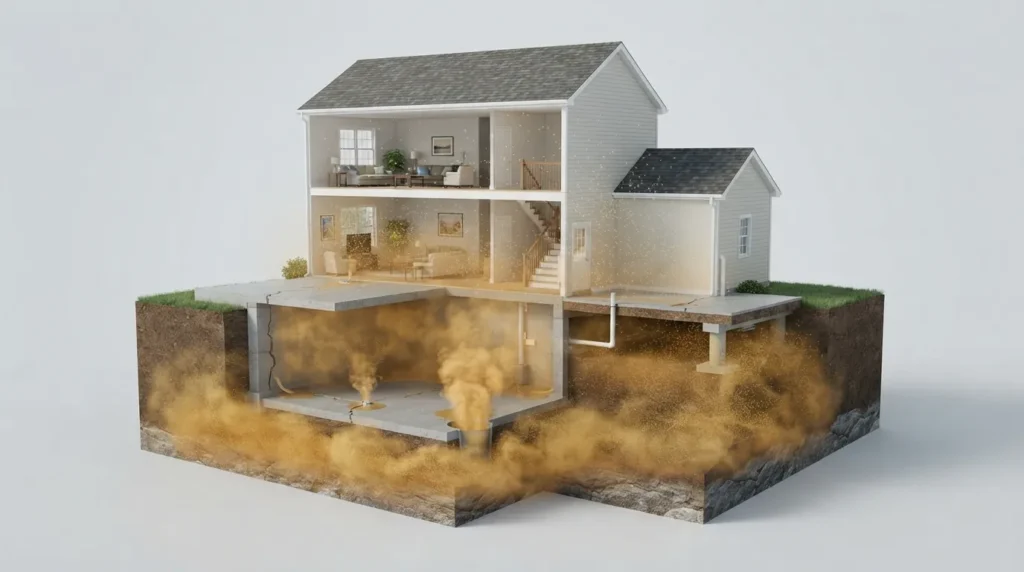
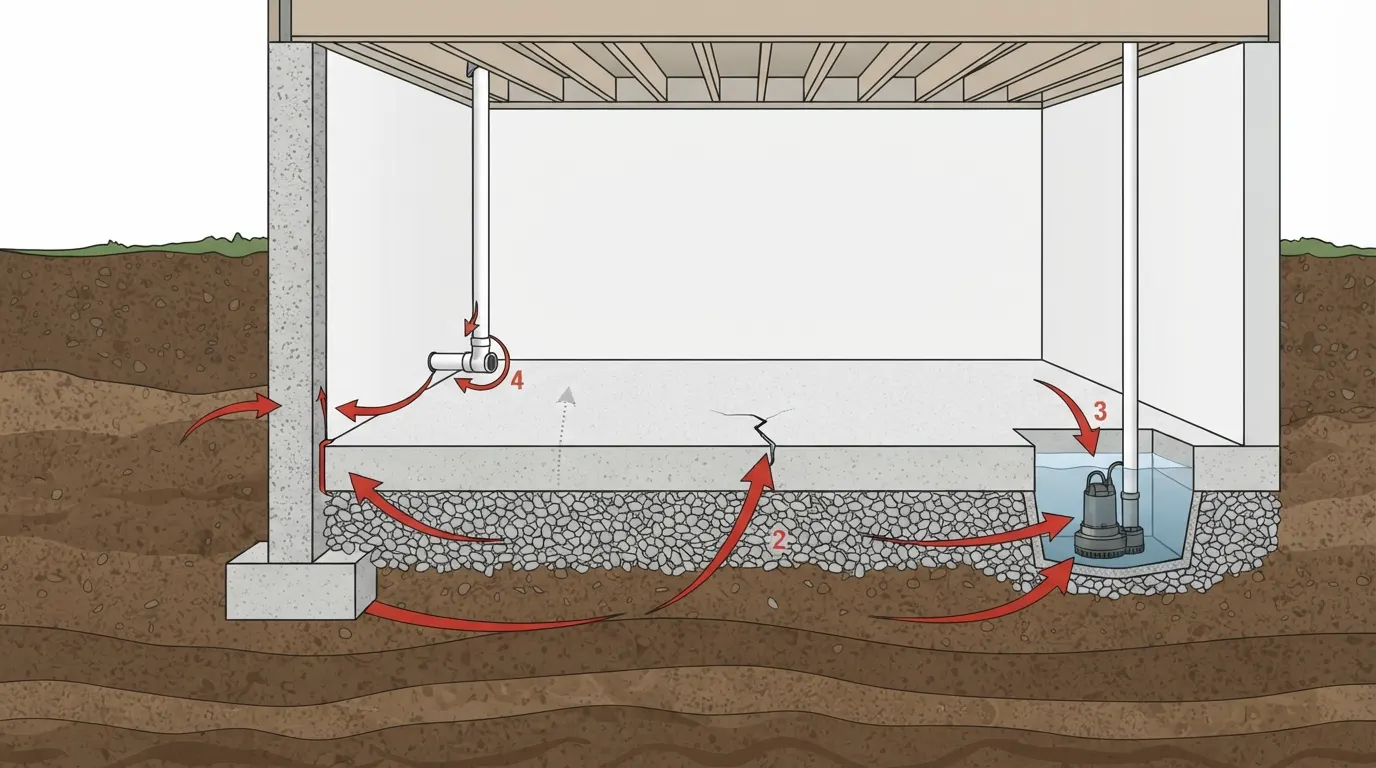
Radon enters buildings through cracks in foundations, construction joints, sump pits, floor drains, crawl spaces and even tiny pores in concrete. It can also enter through gaps around service pipes and from the water supply, especially in homes with wells.
Once inside it can build up to levels that increase health risks especially when the gas becomes trapped due to poor ventilation. Radon is present in all homes, but the concentration can vary significantly from one house to another, even on the same street.
Understanding radon behavior starts with understanding its physical properties and that brings us back to the main question. Radon is colorless, odorless, and tasteless, so its presence cannot be detected by human senses, making testing essential.
Physical and Chemical Properties of Radon
Radon is a unique and hazardous substance due to its physical and chemical characteristics. As a noble gas, radon is colorless, odorless, and tasteless, making it completely undetectable by human senses. It is a radioactive element, represented by the symbol Rn and atomic number 86 on the periodic table.
Radon’s density is about 9.73 kg/m³, making it roughly eight times heavier than the air in our atmosphere. This property means radon can accumulate in lower areas of buildings, but its movement is still easily influenced by air pressure and ventilation.
One of the most important radon facts is its half-life of approximately 3.8 days. During this time, radon undergoes a radioactive decay chain, emitting ionizing radiation as it transforms into other elements.
This ionizing radiation is what makes radon exposure a significant health risk, as it can damage lung tissue when inhaled. While radon is chemically inert under most conditions, it can form compounds with certain elements, though this is rare in typical indoor environments. Understanding these properties helps explain why radon is both difficult to detect and dangerous to human health.
Is Radon Heavier Than Air The Simple Answer
Yes, radon is heavier than air.
Radon gas has an atomic weight of 222 while air is mostly made of nitrogen and oxygen with an average molecular weight around 29. That makes radon significantly heavier on a molecular level; radon is approximately 7.5 times heavier than air.
However this does not mean radon simply sinks and stays in basements like a puddle of water. Gases do not behave like solids or liquids. Once radon enters a home it mixes with indoor air and moves according to pressure differences, airflow temperature and building design.
Because radon is several times heavier than air, it tends to settle in lower areas such as basements or ground floors. However, air movement can still distribute it throughout the house.
This is where many misunderstandings come from. Knowing radon is heavier than air is helpful but it does not tell the full story of how radon spreads through a house.
Radon vs Air How Gases Actually Move Indoors
In real homes radon does not just settle at the lowest point and stop moving. Instead it is constantly influenced by pressure dynamics.
Homes act like chimneys. Warm air rises and escapes through upper levels especially in winter. As this air leaves it creates lower pressure in the basement and foundation area. That pressure difference pulls soil gases including radon into the home.
Once radon enters it mixes with indoor air. Air movement from HVAC systems, fans, and normal household activity distributes radon throughout the building. Air circulation and humidity can influence how radon gas moves and accumulates in different rooms.
As radon circulates with indoor air, it can be breathed in, so proper circulation and ventilation are important for managing radon levels and reducing the risk of inhaling radioactive particles. This is why elevated radon levels are often found on the first floor and even upper floors, not just in basements.
The key takeaway is that radon being heavier than air does not protect upper levels of a home. Testing only the basement or assuming upper floors are safe is a common and costly mistake. Indoor radon levels can vary significantly from room to room, with the highest concentrations typically found in basements and lower levels.
Why Radon Is Often Found in Basements
Even though radon mixes with indoor air it is most likely to enter through areas closest to the soil. Basements and crawl spaces are in direct contact with the ground and often contain more entry points.
Concrete is not airtight. Tiny cracks, gaps around pipes, and construction joints all provide pathways for soil gas. Negative pressure in basements makes these areas prime entry zones for radon.
The accumulation of radon in basements is a significant concern due to the danger it poses to indoor air quality, increasing the risk of lung cancer, especially for non-smokers.
This is why radon testing protocols often start with the lowest livable level of a home. It is not because radon stays there but because that is where it usually enters.
Professionals like Milwaukee Radon Home focus on understanding how each structure interacts with soil gas, not just where radon is detected.
Does Radon Rise or Fall Inside a Home
Radon does both.
When radon enters a home from the soil it initially comes in at lower levels. From there it mixes with air and moves wherever airflow carries it. In colder months rising warm air pulls radon upward through the structure. In warmer months air conditioning and ventilation patterns can change how radon distributes.
This dynamic movement is why long term radon testing provides more accurate results than short term tests alone. Radon levels fluctuate daily and seasonally.
A proper radon system inspection considers all of these factors including airflow pressure zones and building layout.
Health Risks Associated with Radon Exposure
Radon is the second leading cause of lung cancer after smoking and the leading cause among non smokers. When radon gas breaks down it releases radioactive particles that can be inhaled.
These particles damage lung tissue over time, posing a significant risk to the lungs. People are exposed to this danger when they breathe indoor air containing radon.
The risk increases with prolonged exposure to elevated radon levels. Radon is the leading cause of lung cancer among non-smokers, causing over 21,000 deaths per year in the U.S. Because radon is invisible, odorless and tasteless, many people live with high levels for years without knowing.
This is why radon testing is not just a formality during real estate transactions. It is a long term health safeguard for anyone who spends time indoors. There is no truly ‘safe’ level of radon; the risk of lung cancer increases with concentration, so mitigation is recommended for levels above 2-4 pCi/L.
Radon Facts Homeowners Should Know
Every homeowner should be aware of the potential dangers posed by radon gas. As a radioactive element, radon can accumulate in indoor environments, especially in areas with high environmental radon concentrations.
The concentration of radon in a home depends on several factors, including the type of soil beneath the building, the construction materials used, and the effectiveness of ventilation systems.
Because radon levels can vary widely even between neighbouring houses the EPA strongly recommends regular radon testing to measure the concentration of radon in indoor air.
Testing for radon is straightforward and can be done with either short-term or long-term tests. If elevated radon concentrations are found, installing a radon mitigation system is the most effective way to reduce exposure.
Additional steps, such as sealing cracks in the foundation and improving ventilation, can further lower radon levels. It’s important to remember that radon exposure is a leading cause of lung cancer among non-smokers, making proactive radon testing and mitigation essential for maintaining healthy indoor air quality.

How Radon Testing Works in Real Homes
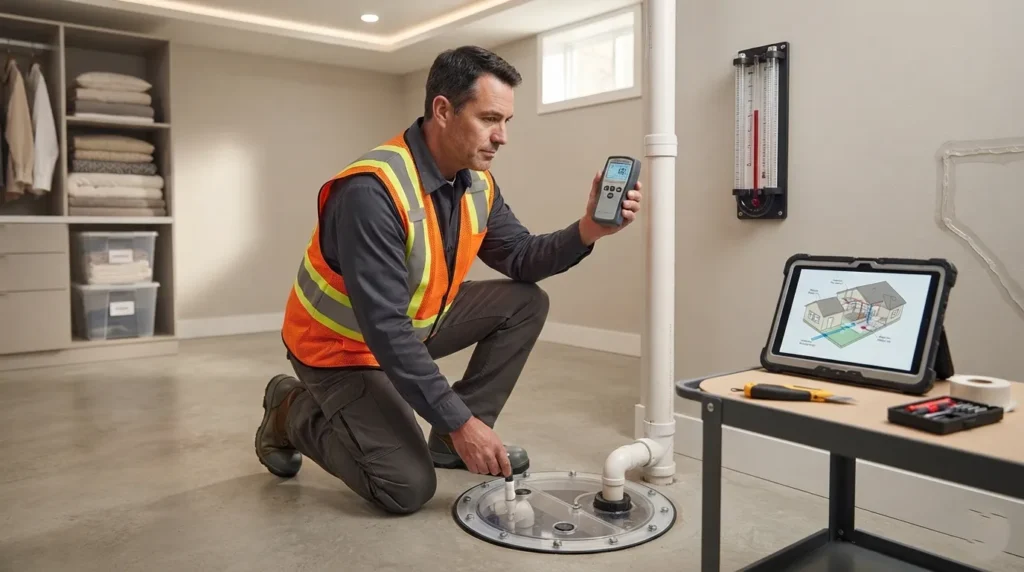
Radon testing measures the concentration of radon gas in indoor air using specialized radon detection devices. Radon levels are measured in units such as picocuries per liter (pCi/L).
Short-term radon tests are used for initial screenings and typically last from a few days to 90 days. Long-term tests offer a more accurate representation of average radon levels over an extended period, typically up to a year, especially in climates with seasonal changes.
Testing should be done in areas, not just unfinished basements. Closed house conditions are often required to ensure consistent results.
Professional testing eliminates guesswork and helps determine whether mitigation is needed. Radon testing is the only reliable way to know if radon levels are elevated in your home.
When to Test for Radon
Every home should be tested regardless of age, location or construction type. New homes, old homes and remodeled homes can all have radon issues.
Testing is especially important when buying or selling a property after major renovations or when converting basements into living spaces.
Milwaukee Radon Home recommends routine testing every few years even if previous results were low. Changes in soil foundation settling and ventilation can alter radon levels over time.
Understanding Radon Mitigation and System Design
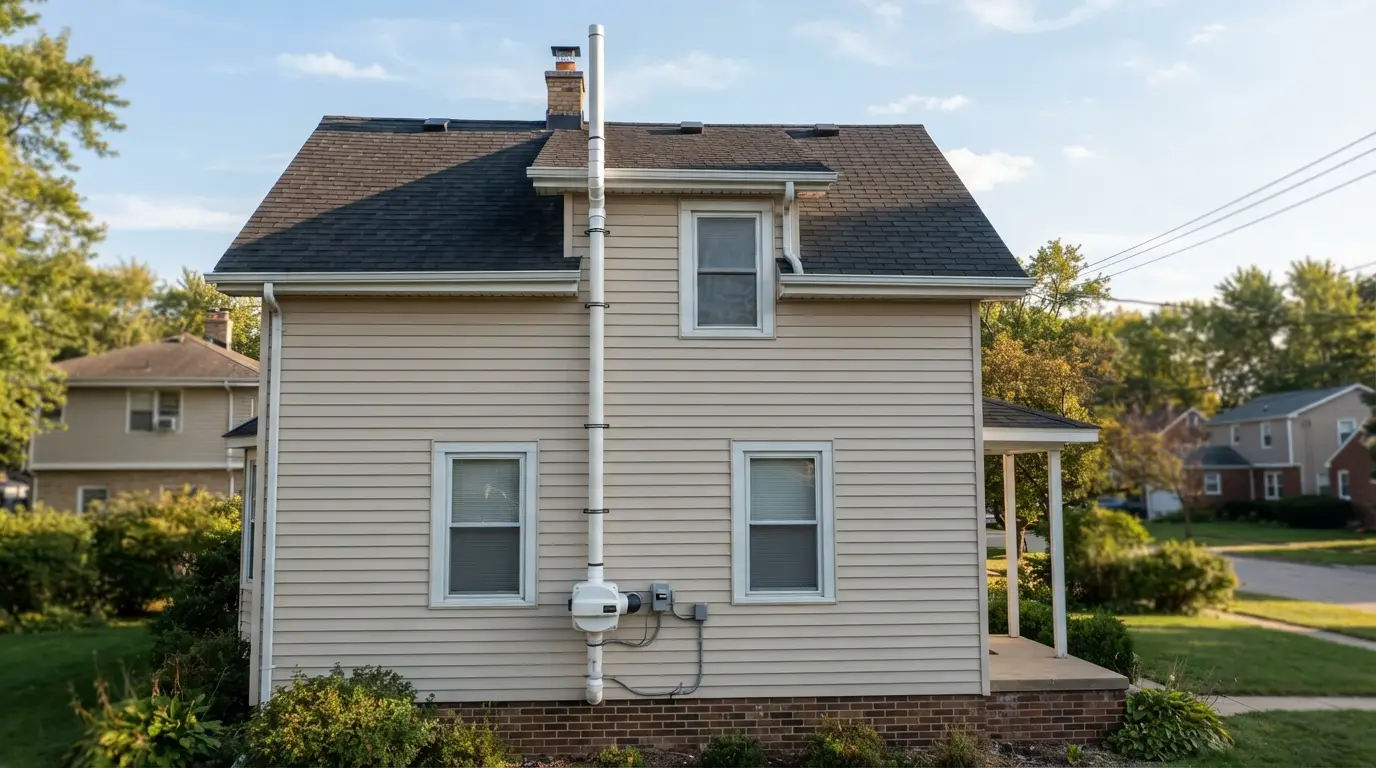
If radon levels are elevated, mitigation systems are designed to reduce indoor concentrations. Once high radon levels are detected, implementing effective mitigation strategies becomes essential. The most common method is active soil depressurization, a mitigation strategy that uses a vent pipe system and fan.
This system uses a fan and piping to draw radon from beneath the foundation and vent it safely outside. By lowering pressure under the slab it prevents radon from entering living spaces. Improving ventilation is also a crucial strategy for reducing radon concentrations inside buildings.
The four principal ways of reducing the amount of radon accumulating in a house include active soil depressurization, sealing entry points, improving ventilation, and using radon barriers.
Proper design matters. A system that is not sized or installed correctly may reduce radon partially but not consistently. That is why a radon system inspection is essential after installation and during routine maintenance.
Opening Windows: Does It Help Reduce Radon?
Many homeowners wonder if simply opening windows can help lower radon concentrations in their homes. While increasing ventilation by opening windows can temporarily dissipate radon gas and reduce its levels in indoor environments, this is not a reliable long-term solution.
Radon is heavier than air and tends to accumulate in basements and other lower areas of a building, where it can quickly return once windows are closed or if air movements change.
Moreover, radon can continuously enter a home through cracks and openings in the foundation, so the effect of opening windows is often short-lived. For lasting results, a radon mitigation system is recommended.
This system actively pulls radon from beneath the building and vents it safely outside, addressing the source of the problem. Combining a mitigation system with sealing cracks and improving overall ventilation creates a comprehensive strategy for reducing radon levels and protecting your indoor air quality.
Why Professional Radon System Inspection Matters
A radon system does not set it and forget its equipment. Fans can fail, seals can degrade and building changes can affect performance.
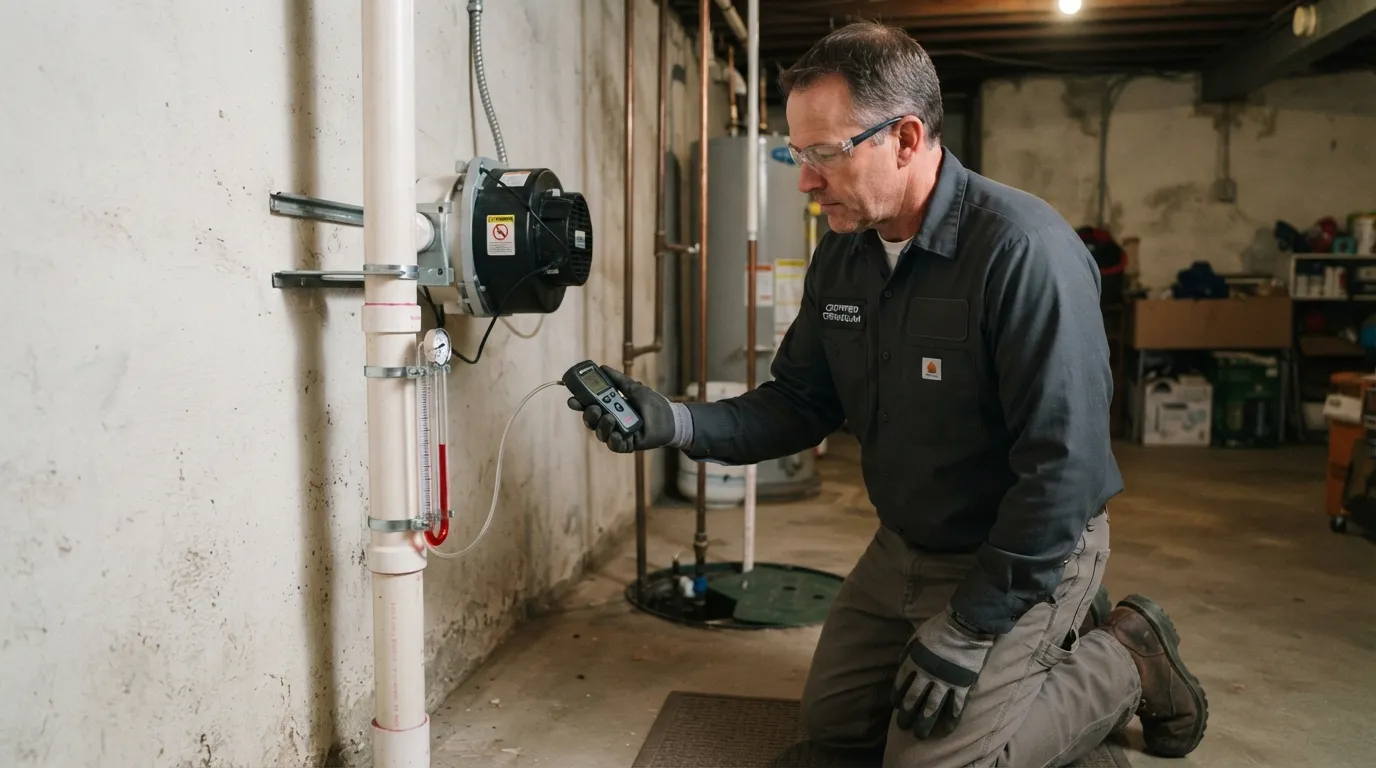
A radon system inspection verifies that all components are functioning correctly and that radon levels remain low. It also ensures compliance with safety and performance standards.
This step protects your investment and your health. Skipping inspections can allow problems to go unnoticed for years.
Radon in Milwaukee and Surrounding Areas
Radon levels vary by region but Wisconsin is known for higher than average radon potential due to soil composition. Many homes in Milwaukee and nearby areas test above recommended levels.
Local expertise matters because soil conditions, building practices and climate all influence radon behavior. Working with a provider familiar with local conditions improves accuracy and results.
Milwaukee Radon Home focuses exclusively on radon services bringing region specific knowledge to every test and inspection.
Common Myths About Radon and Air
One myth is that radon only affects old homes. New homes can have radon issues due to tight construction and energy efficient designs that trap gases.
Another myth is that ventilation alone solves radon problems. While ventilation can help it rarely provides consistent long term reduction without a dedicated mitigation system.
Some believe radon disappears in summer. Levels may change seasonally but radon does not go away on its own.
Understanding these myths helps homeowners make informed decisions rather than relying on assumptions.
The Role of Building Pressure and Airflow
Pressure differentials drive radon entry more than gravity. Appliances, fireplaces, exhaust fans and even weather conditions affect indoor pressure.
Stack effect in winter is a major contributor as warm air escapes upward pulling radon in from below. Sealing cracks helps but rarely stops radon completely.
Effective mitigation addresses pressure imbalance rather than just sealing entry points.
Radon in Multi Story Homes
Multi story homes can still have elevated radon on upper levels. Air movement carries radon throughout the structure.
Testing multiple levels provides a more complete picture especially in homes with finished basements or bedrooms on lower floors.
Do not assume upper floors are safe without data.
Radon and Real Estate Transactions
Radon testing is a common part of home inspections but standards and practices vary. Buyers should ensure tests are conducted properly and results interpreted accurately.
Mitigation systems should be professionally installed and documented. A follow up test confirms effectiveness.
Clear communication protects both buyers and sellers from future disputes.
Living with a Radon Mitigation System
Modern radon systems are quite efficient and unobtrusive. Most homeowners notice little difference after installation except peace of mind.
Routine checks ensure the system continues to perform. Simple indicators like manometers help monitor operation.
Education empowers homeowners to maintain safe indoor air quality.
Why Radon Awareness Matters Long Term
Radon exposure is cumulative. Even moderate levels over long periods increase risk.
Awareness leads to testing. Testing leads to action. Action leads to healthier homes.
Understanding radon behavior including whether it is heavier than air helps demystify the issue and encourages practical solutions.
Frequently Asked Questions
Is radon heavier than air and does that mean it stays in basements
Radon is heavier than air but it mixes with indoor air and moves throughout a home due to pressure and airflow. This is why radon can be present on all levels, not just basements.
Can opening windows reduce radon levels permanently
Opening windows may temporarily lower radon levels but it is not a reliable long term solution. Radon levels often return once windows are closed and conditions change.
How often should radon testing be done
Homes should be tested every few years and after major renovations. Regular radon testing ensures changes in soil or building conditions have not increased levels.
What is included in a radon system inspection
A radon system inspection checks fan operation piping integrity venting location and current radon levels. It confirms the system is working as designed.
Who should I call for radon testing and inspection in Milwaukee
Milwaukee Radon Home provides professional radon testing system inspection and mitigation services. You can reach them at 414 455 7279.
Conclusion
Radon is a serious health hazard that requires ongoing attention from homeowners and anyone concerned about indoor air quality. Understanding the unique properties of radon, the risks of exposure, and the importance of regular testing is the first step toward a safer home.
To protect yourself and your family, start by testing your home for radon concentrations using a reliable test kit or by hiring a professional. If high radon levels are detected, installing a radon mitigation system is the most effective way to reduce the concentration of radon in the air.
In addition to a mitigation system, sealing cracks and openings in your foundation and improving ventilation can further lower radon levels.
Remember, radon safety is not a one-time task; it requires regular testing and maintenance to ensure that mitigation systems remain effective and that your indoor environment stays healthy. By staying informed and proactive, you can significantly reduce the health risks associated with radon exposure and maintain a safe, comfortable home for years to come.