
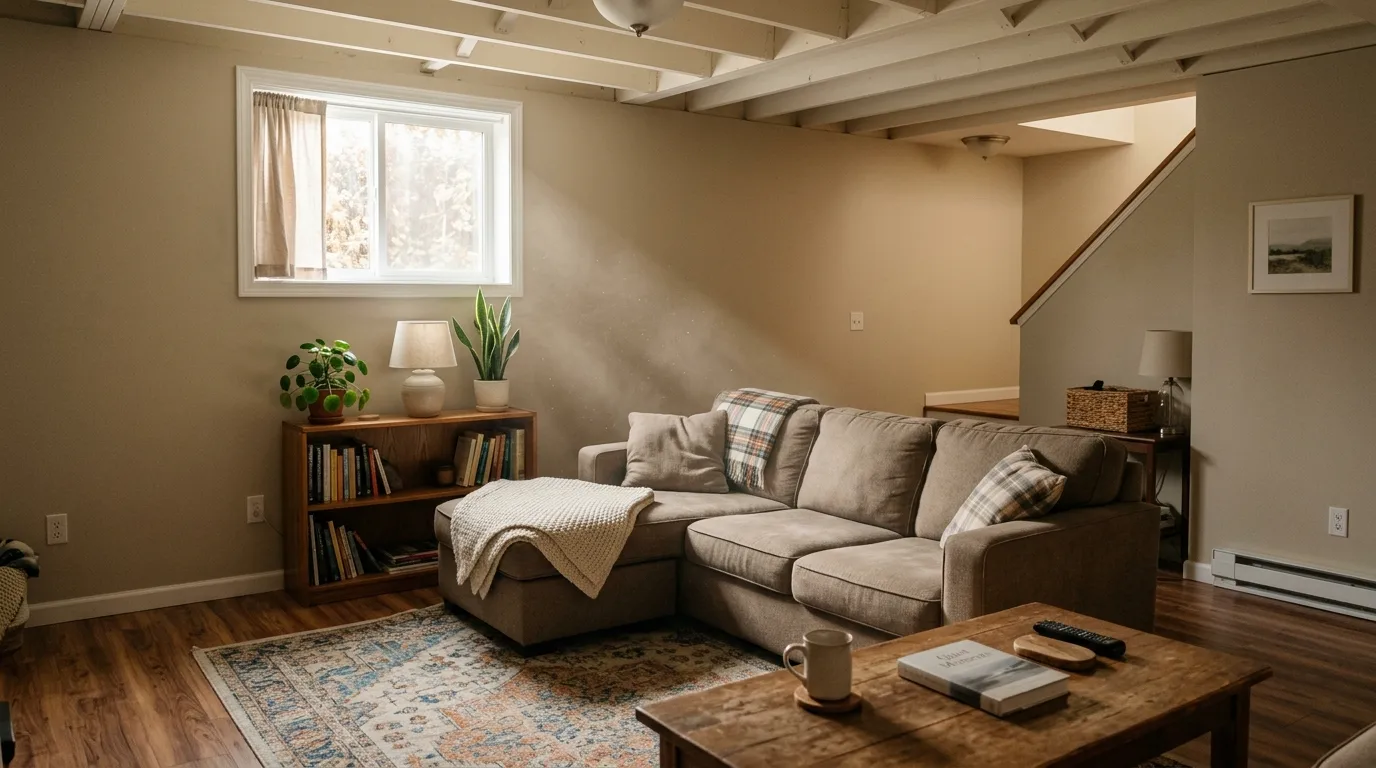
No, radon does not have a smell. It is a colorless, odorless, tasteless radioactive gas, so there is nothing to smell, see, or taste no matter how high the level gets inside your home. If you are trying to sniff out radon the way you would a gas leak, that instinct will not work here.
That single fact is also what makes radon dangerous. Homeowners who assume a clean-smelling basement means a safe basement can live with elevated radon for years without knowing it. This guide covers why radon has no odor, what people actually smell when they blame radon, and the only method that tells you your real number: a test.
Table of Contents
Why Radon Has No Smell
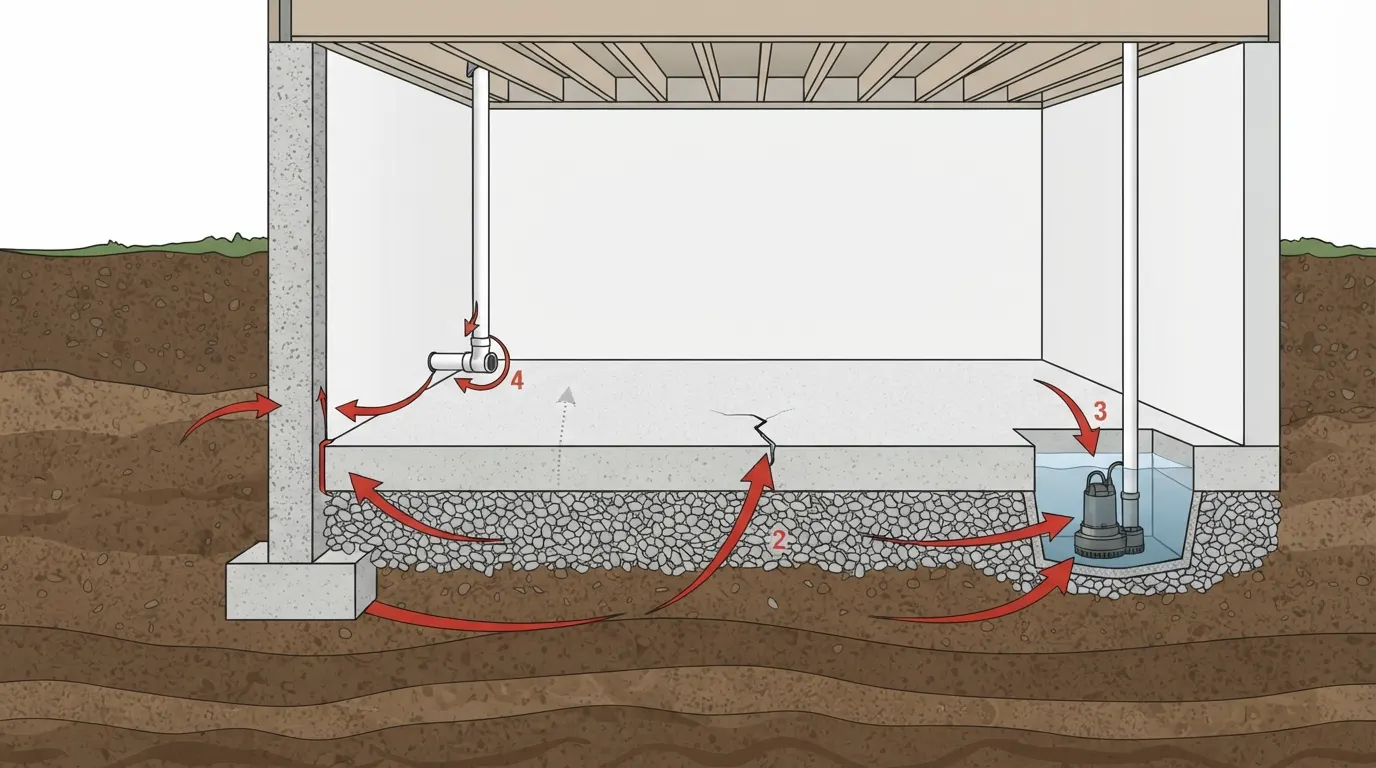
Radon is a noble gas, chemically inert, which means it does not react with the air around it to create an odor the way sulfur compounds or ammonia do. It forms deep underground when uranium in soil and rock breaks down, then rises through cracks and gaps into your home.
Because it never reacts chemically, radon stays odorless from the moment it forms to the moment it decays, releasing radiation as it goes. That decay process is the actual health risk, and it happens silently regardless of how the air in your house smells. The EPA’s radionuclide basics page confirms radon is odorless, colorless, and radioactive, with a U.S. average indoor level of 1.3 pCi/L against an outdoor average of 0.4 pCi/L.
Why People Think They Smell Radon
Radon almost always shows up alongside other things that do have a smell, so homeowners connect the two. Four sources cause most of the confusion.
Musty Basement Odors
A damp, earthy basement smell usually comes from moisture, mold, or organic material breaking down, not from radon. The connection is that both share entry points: cracks in the basement floor let in moisture and soil gas at the same time. If your basement smells musty, that is worth investigating on its own, and it is a separate problem from radon even when both are present. See mold and radon testing if you are dealing with both issues at once.
Sewer Gas
A cracked drain pipe, a dry trap, or a break in a vent line can release sewer gas, which has a strong, distinct odor often described as rotten eggs. This is one of the most common reasons people search for whether radon smells like rotten eggs. It does not. That smell belongs entirely to the plumbing issue, and fixing the trap or vent resolves it regardless of your radon level.
Soil and Earth Odors
Air moving up from the soil into a home can carry a faint earthy smell from moisture and organic compounds in the ground. That same air pathway can carry radon, since both travel the same route through foundation cracks and gaps. The smell comes from the soil gas mixture, not from the radon itself.
Chemical or Mechanical Smells
Paint, solvents, cleaning products, and stored fuel can all release fumes that get noticed more in winter, when windows stay closed. Radon levels also tend to rise in winter for an unrelated reason: heated homes create a stack effect that pulls more soil gas indoors. The timing overlaps, which creates a false connection between the chemical smell and radon.
Can Animals Smell Radon That Humans Can’t?
No. Radon is chemically inert, so it does not produce odor molecules for any nose to detect, human or animal. Dogs and cats have far more sensitive olfactory systems than people, but sensitivity only helps when there is something to smell. Since radon never reacts to form a scent compound, a more powerful nose has nothing extra to pick up on. If a pet seems agitated in the basement, look at other explanations first: pests, mold, or unfamiliar sounds from a mitigation fan are all more likely culprits than radon.
Why Your Nose Isn’t a Reliable Safety Tool
Humans rely on smell to catch danger early: smoke, spoiled food, a gas leak. Radon bypasses that warning system completely, and so do trained professionals without instruments. Air that smells perfectly fresh can still carry an elevated radon level.
Opening windows can temporarily lower an indoor radon reading, but it does not fix the source and it will never make radon detectable by smell. The only way to know your actual level is a radon test using an approved device.
The Real Risk Behind an Odorless Gas
Radon’s lack of smell matters because of what it can lead to over time. The EPA identifies radon as the second leading cause of lung cancer in the United States after smoking, and the leading cause among people who have never smoked, responsible for roughly 21,000 deaths a year. For smokers, the combined risk climbs sharply, with EPA estimates putting it at eight to nine times higher than for nonsmokers exposed to the same level.
There are no early symptoms tied specifically to radon exposure. The damage builds quietly over years, which is exactly why testing matters more than intuition. For a full breakdown of what elevated radon does to the body and who faces the highest risk, see how radon affects your health and symptoms of radon exposure.
Can You Smell Radon After a Mitigation System Is Installed?
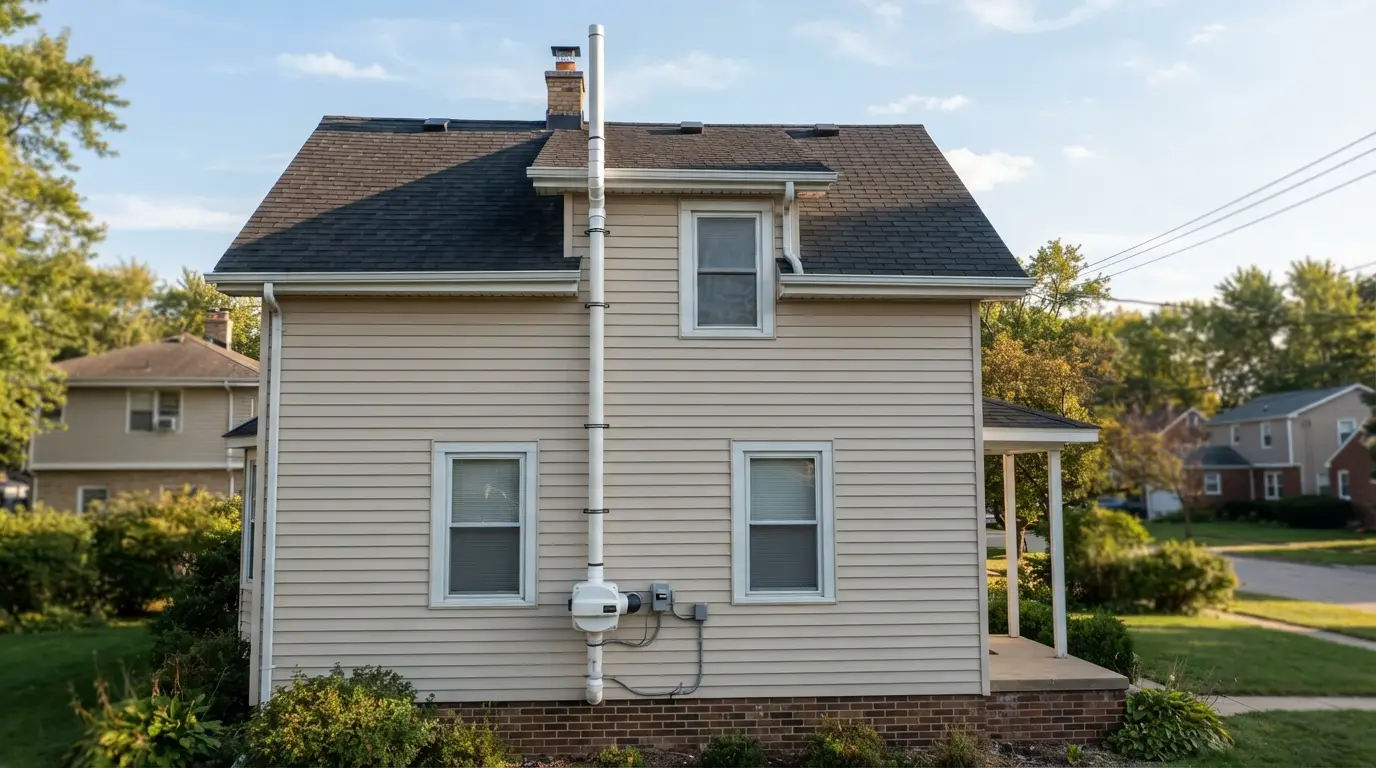
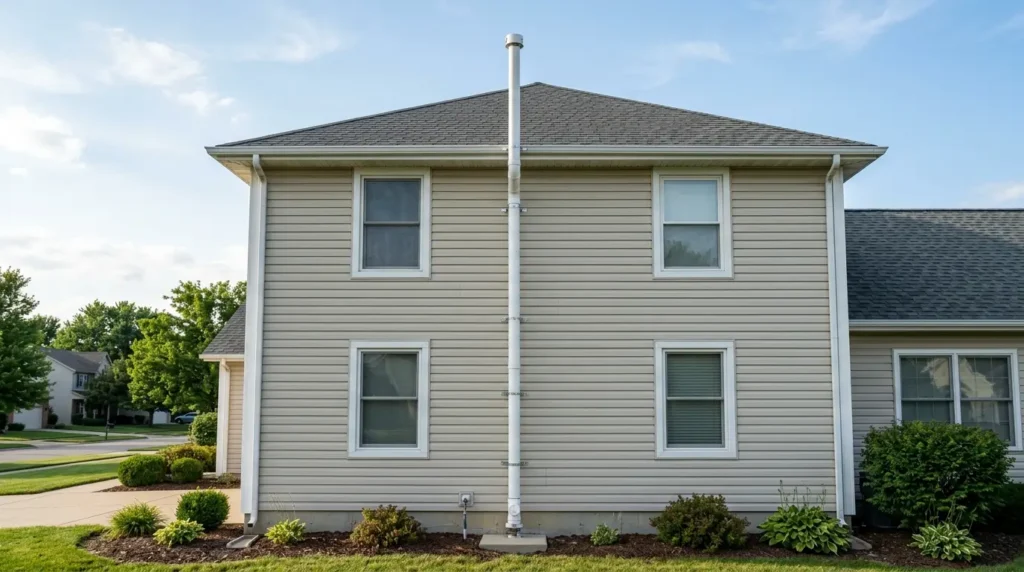
No. Radon stays odorless before, during, and after mitigation. What changes is how it is managed: a mitigation system pulls soil gas from beneath the foundation and vents it safely above the roofline before it can build up indoors.
If you notice a new smell after a system goes in, it is unrelated to radon itself. It is more likely an airflow change revealing an odor that was already there, or a mechanical issue with the fan. A radon system inspection can confirm the system is running correctly and rule out anything else going on.
How Radon Testing Actually Works
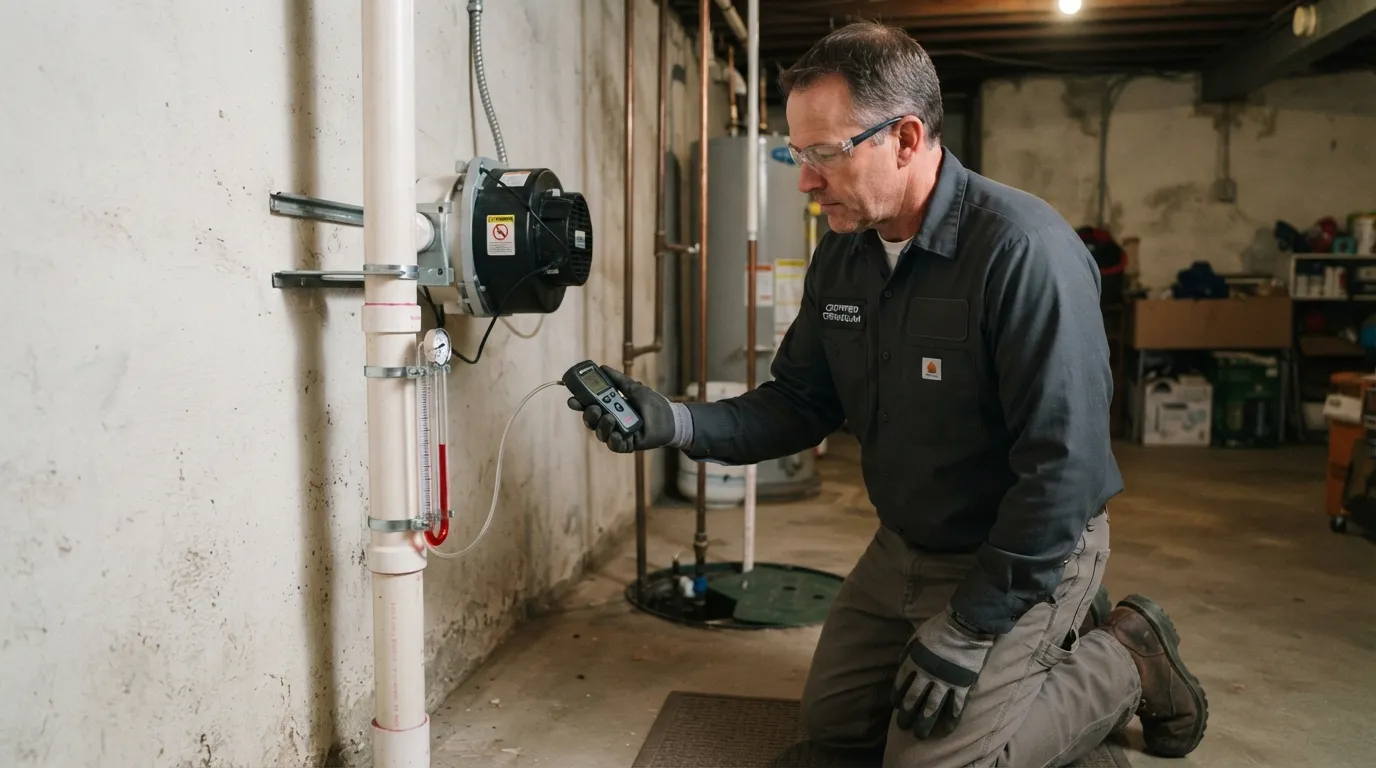
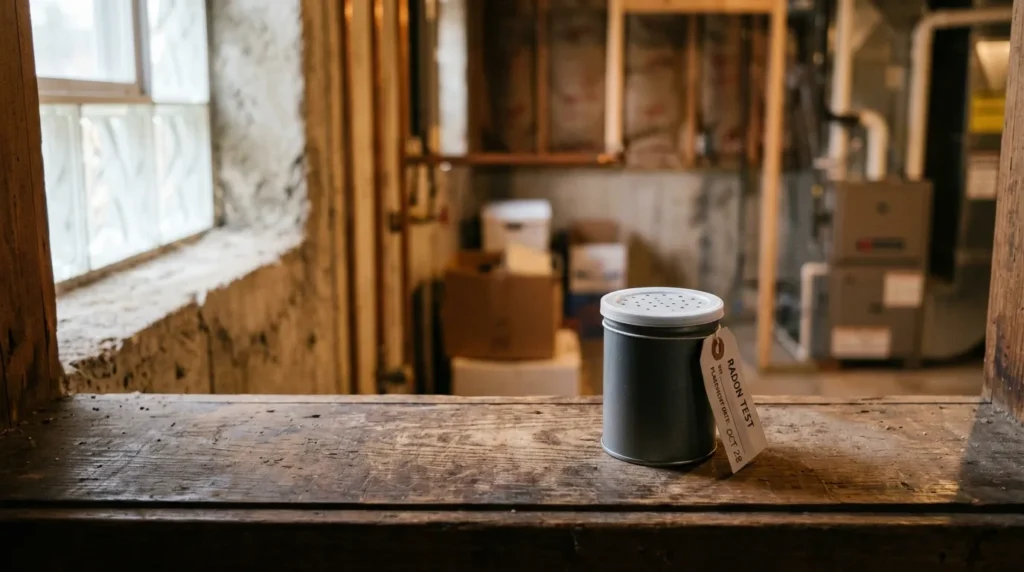
Since smell tells you nothing, testing is the only reliable measurement. A test reports your radon level in picocuries per liter (pCi/L), and the EPA recommends fixing any home at or above 4.0 pCi/L. Short-term tests run a few days and work well for a quick screening or a real estate transaction. Long-term tests run for months and give a more accurate picture of year-round exposure, since levels shift with the seasons.
Wisconsin’s Department of Health Services notes that DIY kits typically cost around $10 to $30 and are available at hardware stores or through regional radon information centers. For a result you can act on with confidence, professional radon testing removes the guesswork around kit placement and timing.
Radon Risk in Milwaukee Area Homes
Wisconsin’s geology gives it more radon-prone soil than much of the country. According to the Wisconsin Department of Health Services, about 1 in 10 homes statewide test above the EPA action level of 4.0 pCi/L, and Milwaukee County sits within an area the EPA flags for meaningful radon potential.
Southeast Wisconsin’s basements add to the risk, since most homes in the area have a lower level in constant contact with the soil. Long, cold winters push radon levels higher for months at a time as heated homes pull more soil gas indoors through the stack effect described earlier. None of this changes what your nose can detect, which stays at zero either way. It is a reason to test on a regular schedule rather than a one-time basis.
Common Myths About Radon and Smell
- Myth: If my basement smells fine, there’s no radon. Reality: Smell has no connection to radon level.
- Myth: A rotten egg smell means radon. Reality: That odor is sewer gas, not radon.
- Myth: New homes don’t have radon. Reality: New construction can have just as much radon as older homes.
- Myth: A sensitive nose or a pet can detect radon. Reality: Radon produces no odor molecules for any nose to pick up.
- Myth: Opening windows solves radon. Reality: It may lower levels temporarily but does not fix the source.
What To Do If You’re Concerned About Radon
If you are wondering whether radon is present in your home, the path forward does not depend on your senses.
- Test first. It is affordable, non-invasive, and gives you an actual number instead of a guess.
- If your result comes back at or above 4.0 pCi/L, a mitigation system brings levels down, typically by a significant margin.
- Follow up with a system inspection periodically to confirm ongoing performance.
If you are also noticing symptoms you’re worried might be tied to long-term exposure, talk with your doctor and get your home tested at the same time.
FAQs
Does radon gas smell like rotten eggs?
No. That smell is sewer gas, usually from a cracked drain line, dry trap, or vent break. Radon itself has no odor at any concentration.
Can radon make my basement smell musty or damp?
No, radon carries no smell of its own. A musty basement smell comes from moisture and mold, which often enter through the same cracks radon uses, so the two get blamed on each other.
Are some people more sensitive and able to smell radon?
No. Because radon is chemically inert, it never forms odor compounds, so no level of smell sensitivity in a person or an animal makes it detectable.
If radon has no smell, how did scientists discover it’s in homes at all?
Through radiation measurement, not smell. Radon’s presence in homes came to light through studies of underground miners with elevated lung cancer rates, followed by physical detection instruments that measure radioactive decay rather than odor.
Will I smell anything different once a mitigation system is running?
Not from the radon itself. Any new smell after installation points to something else, like airflow changes exposing an existing odor, and a system inspection can confirm what’s going on.
Final Thoughts
Radon does not smell like anything. If you take one thing from this article, make it that. Relying on your nose to detect radon is like relying on your eyes to detect carbon monoxide; the tool simply does not apply here.
If you live in the Milwaukee area and want a real answer instead of a guess, Milwaukee Radon Home’s mitigation team can test your home, explain your results in plain terms, and install a system if you need one. Call (414) 455-7279 to get started.