
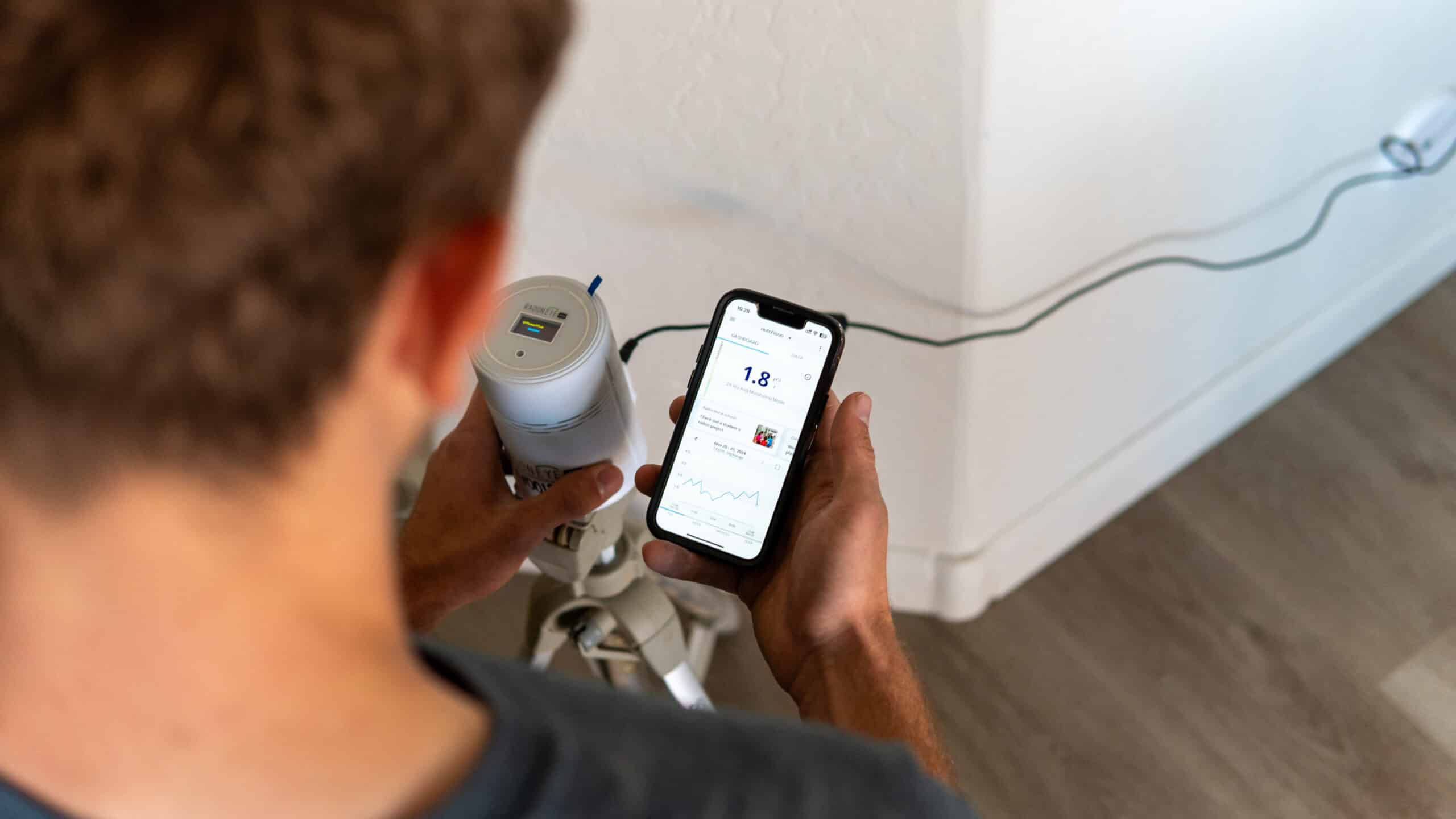
pCi/L stands for picocuries per liter, the standard unit of radon measurement for gas concentration in indoor air. It represents the radioactive decay of radon atoms per second in every liter of air. The U.S. Environmental Protection Agency (.gov) recommends taking action to reduce levels that are 4.0 pCi/L or higher.
Table of Contents
Key Aspects of pCi/L
- What it measures: It measures the intensity of radioactive decay within air, indicating the risk of lung tissue damage.
- Action Level (4.0 pCi/L): The EPA recommends fixing homes with 4.0 pCi/L or higher. However, because no level is completely safe, many homeowners opt to mitigate if levels are between 2.0 and 4.0 pCi/L.
- Average Levels: The average indoor radon level is approximately 1.3 pCi/L, while outdoor air typically contains about 0.4 pCi/L.
- Measurement Context: Because radon levels fluctuate, it is recommended to use long-term testing or average multiple short-term tests to determine if the 4.0 pCi/L action level is exceeded.
What is pCi/L?
pCi/L, or picocuries per liter, is the unit of radon measurement used in testing to determine how much radon gas is present in a given volume of air. One picocurie represents one trillionth of a curie, a unit used to measure radioactive decay. When you measure radon, you’re assessing the number of radioactive particles released by the gas as it decays.
In terms of safety, the Environmental Protection Agency (EPA) recommends taking action if radon levels exceed 4 pCi/L. However, even lower levels of radon can still be dangerous over prolonged exposure. Professional radon testing is necessary to determine whether your radon levels fall within acceptable limits.
The Importance of Radon Testing & Radon Measurement
Radon is colourless, odourless, and tasteless, which makes it nearly impossible to detect without the right tools. Even if you live in an area like Shorewood, Wauwatosa, or Whitefish Bay, where radon levels can vary, regular radon gas testing services ensure that your living spaces remain safe. The radon testing company you choose will use specialized equipment to measure radon concentrations in your home, giving you peace of mind.
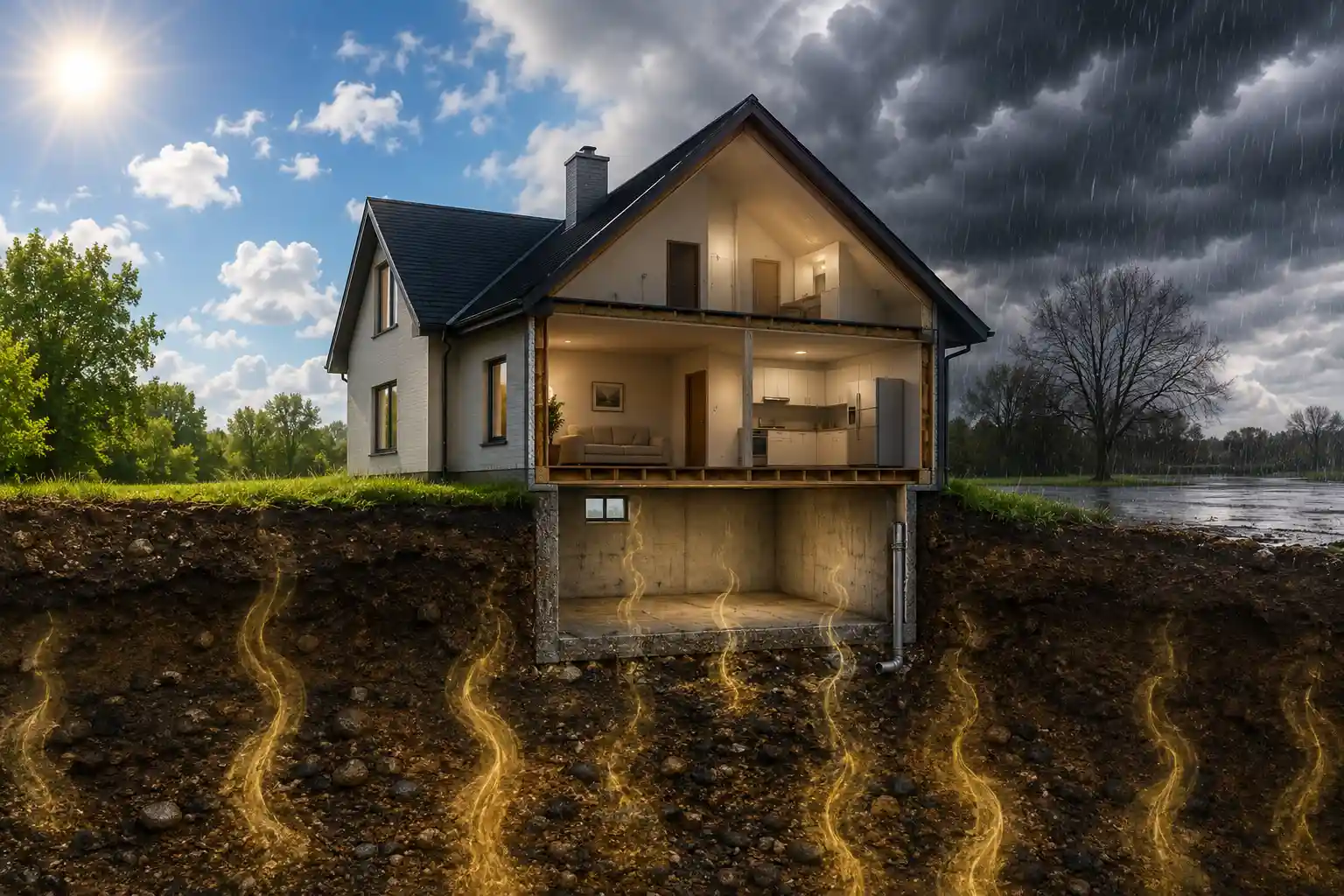
When conducting radon tests, it’s essential to follow specific protocols to ensure accuracy. Radon levels can fluctuate based on various factors such as weather, the type of foundation, and the ventilation system in your home. A reliable radon testing service will ensure that the tests are carried out under optimal conditions.
How Radon Testing Works
Radon testing typically involves placing a detection device in the lowest lived-in area of your home, usually the basement or ground floor. These devices can either be short-term or long-term:
- Short-term tests measure radon levels for a few days to a week. They are quicker and more affordable but may not capture long-term fluctuations.
- Long-term tests last for over 90 days and provide a more accurate picture of radon exposure over time.
Professional radon testing services will install these devices and monitor the results. Once the test is complete, the radon testing company will analyze the data and provide recommendations based on the findings. If your levels exceed the EPA threshold of 4 pCi/L, mitigation measures will be suggested to reduce radon exposure.
Why You Should Schedule Radon Testing
Here’s why getting professional radon measurement matters:
- Health Risks: Radon exposure is the second leading cause of lung cancer, responsible for thousands of deaths annually in the U.S. When radon levels exceed 4 pCi/L, the risk of health issues increases significantly.
- Peace of Mind: Radon is an invisible threat, but with radon gas testing services, you can know exactly what’s happening in your home or office.
- Home Sale/Buying: If you’re selling or buying a property, having a radon testing service report helps in the negotiation process, ensuring you’re making an informed decision.
- Local Concerns: In areas like West Allis and Shorewood, radon levels may vary due to local soil and rock conditions. It’s important to have radon testing for accurate results.
Radon Levels in Your Area
In places like Whitefish Bay and Wauwatosa, you may be more prone to elevated radon levels due to the region’s geology. Areas with granite or shale formations tend to have higher concentrations of radon. Regular radon testing services will ensure that you stay informed about potential health risks.
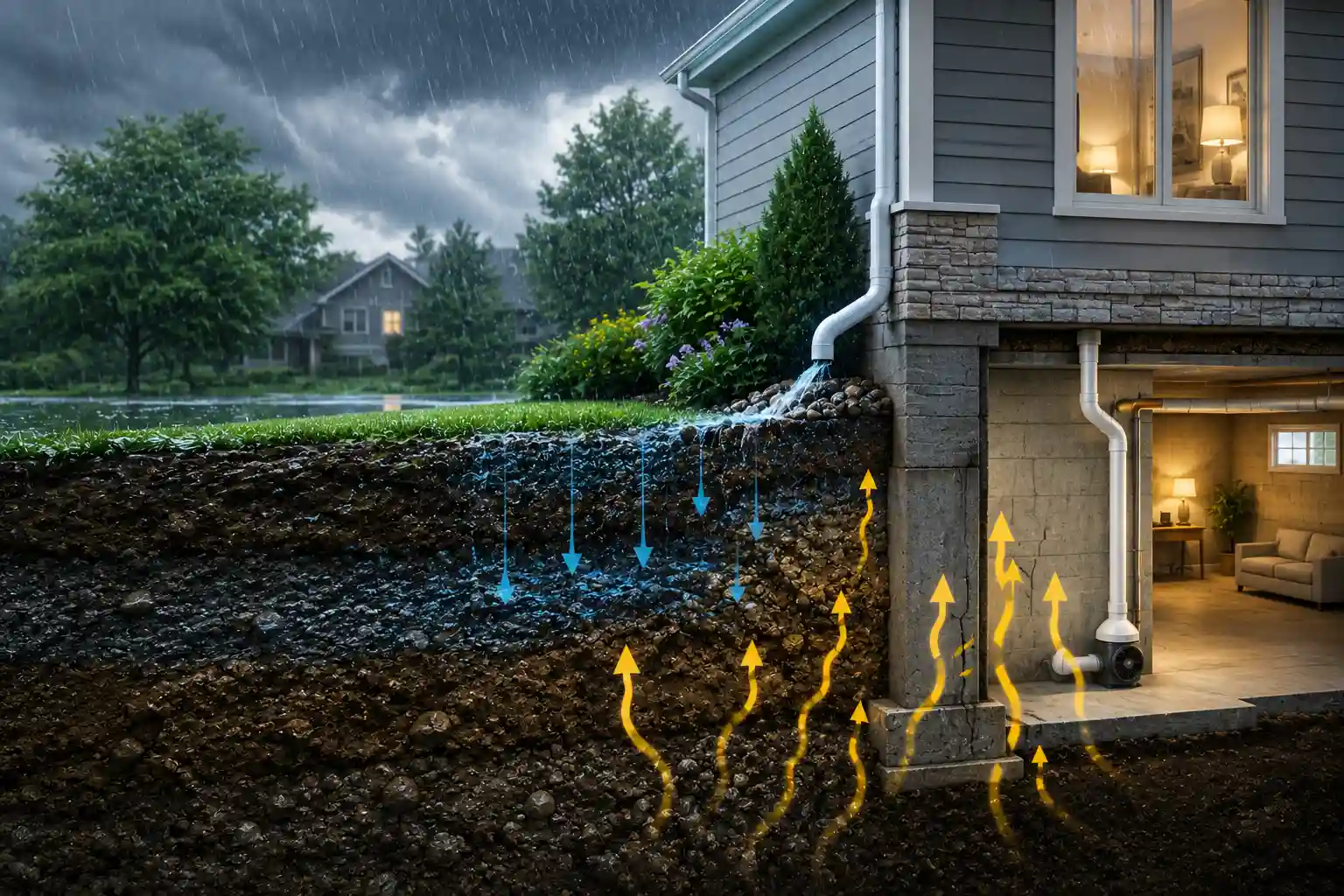
Although radon levels may vary from home to home, any level above 4 pCi/L requires immediate action. Radon mitigation involves installing a system to vent radon outside your home, thereby reducing the levels and improving indoor air quality.
FAQs
What does pCi/L mean in radon testing?
pCi/L (picocuries per liter) is the unit of radon measurement used to quantify the concentration of gas in the air. It represents the number of radioactive particles decaying per liter of air.
How do I know if I need radon testing?
If you live in an area like Shorewood, West Allis, or Wauwatosa, it’s recommended to test your home every 2-5 years or if you’re selling or buying a property. If radon levels exceed 4 pCi/L, you need to take action.
How can I reduce radon levels in my home?
If radon levels are above the recommended threshold, you can install a radon mitigation system, which vents the gas outside, preventing it from accumulating in your living spaces.
Conclusion
Understanding pCi/L and its significance in radon testing services is crucial for protecting your home and health. With radon being an invisible threat, it’s important to rely on professional radon testing service providers to accurately measure radon levels in your home or business.
Whether you’re located in West Allis, Shorewood, or Wauwatosa, or nearby areas, Milwaukee Radon Mitigation is here to provide expert radon testing and mitigation services.
By scheduling regular tests, you can ensure the safety of your family and prevent potential health issues caused by radon exposure. Don’t wait if you suspect your home might be at risk, call 414-455-7279 today to schedule your radon test and keep your home safe.