
Radon poisoning or exposure usually does not cause immediate symptoms, which is one reason the gas is often called a hidden indoor health risk. According to the United States Environmental Protection Agency, long-term exposure to elevated radon levels is the second leading cause of lung cancer after smoking and the leading cause among non-smokers.
Because radon is colorless and odorless, most homeowners only discover a problem after professional radon testing. Homes with basements, crawl spaces, or foundation cracks are often more vulnerable, especially during colder months when windows stay closed and indoor air circulation decreases.
Table of Contents
What Is Radon?
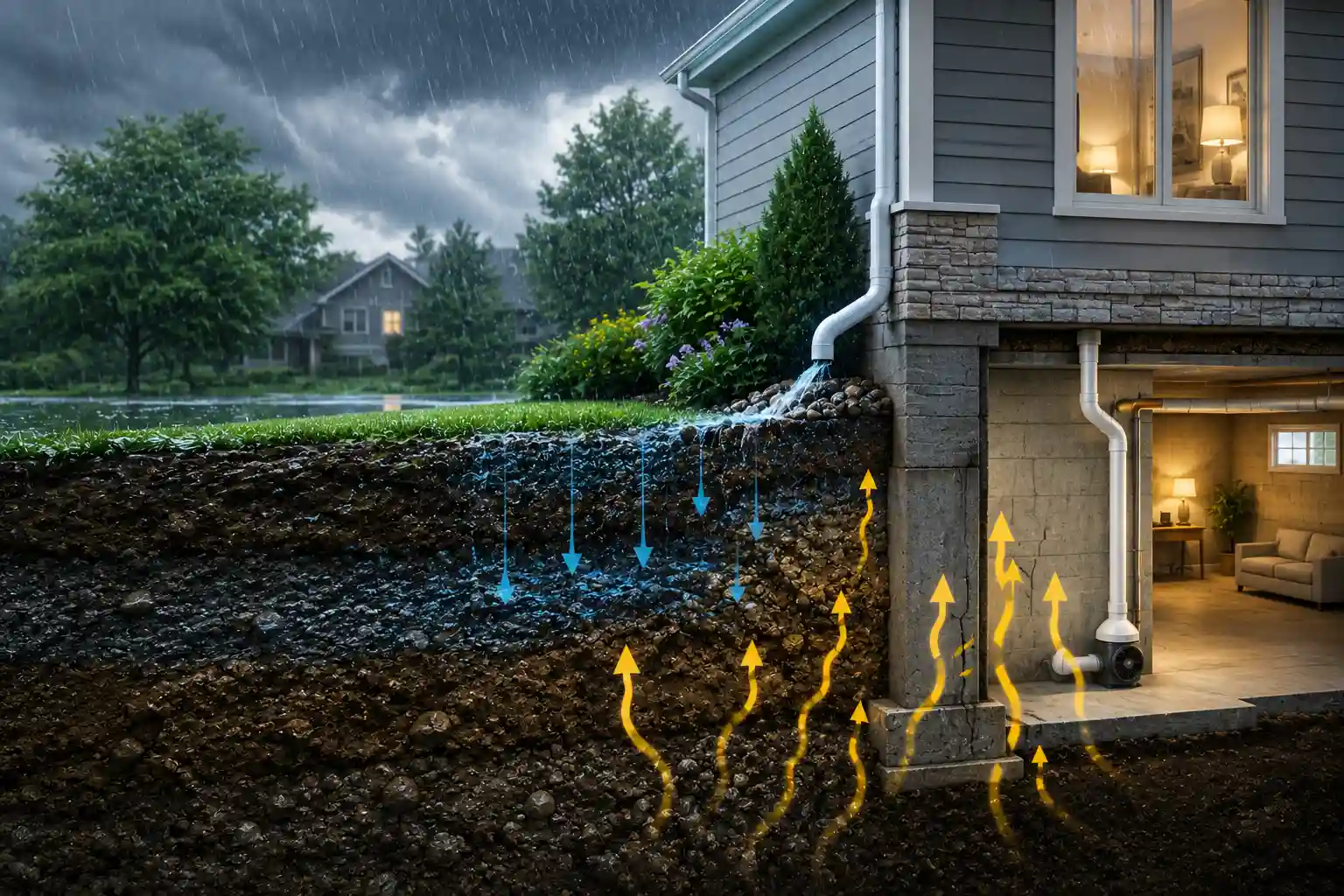
Radon is a naturally occurring radioactive gas created when uranium breaks down in soil, rock, and groundwater. The gas can move through the ground and enter homes through:
- Foundation cracks
- Basement floor joints
- Sump pump openings
- Crawl spaces
- Pipe penetrations
- Gaps around utility lines
Once trapped indoors, radon can accumulate to unhealthy levels over time..
Why Radon Exposure Is Dangerous
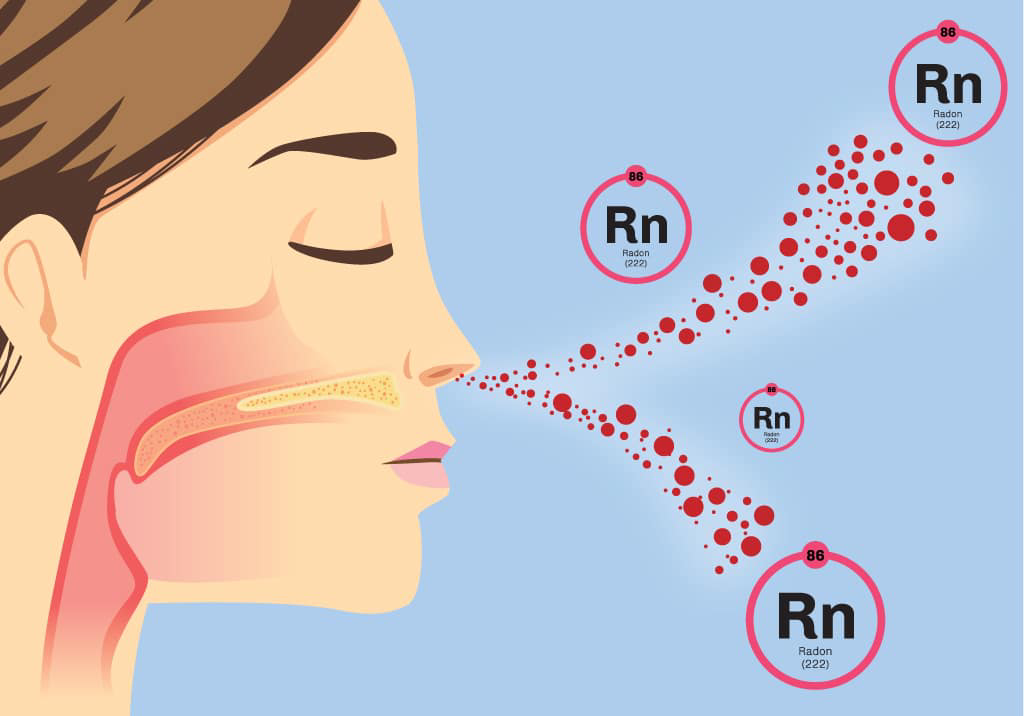
The main health concern linked to radon exposure is lung cancer. When radon gas breaks down, it releases radioactive particles that may become trapped inside the lungs during breathing. Over many years, this exposure can damage lung tissue.
The risk increases when:
- Radon levels remain elevated for long periods
- Ventilation is poor
- The home is tightly sealed
- Someone in the household smokes
According to the Centers for Disease Control and Prevention and the World Health Organization, long-term exposure is the primary concern, not short-term contact.
Does Radon Exposure Cause Immediate Symptoms?
One of the most misunderstood parts of radon exposure is that it usually does not create immediate warning signs.
Unlike carbon monoxide or smoke exposure, radon cannot typically be detected through physical symptoms in the early stages. Many people live in homes with elevated radon levels for years without realizing it.
Most health effects associated with radon appear gradually after prolonged exposure.
Possible Health Effects Linked to Long-Term Radon Exposure
Long-term radon exposure has been associated with several respiratory complications, especially when exposure continues for many years.
Possible warning signs connected to advanced lung damage may include:
- Persistent coughing
- Wheezing
- Chest discomfort
- Shortness of breath
- Hoarseness
- Fatigue
- Recurring respiratory infections
These symptoms are not exclusive to radon exposure and may also relate to other medical conditions. Homeowners experiencing respiratory concerns should consult a licensed healthcare professional.
Why Some Homes Have Higher Radon Levels
Radon levels vary significantly from one property to another, even between neighboring homes.
Several factors can increase indoor radon accumulation:
Basement Construction
Homes with basements often experience higher radon concentrations because the structure sits directly against the soil where radon gas naturally forms. Small cracks in basement floors, wall joints, sump pits, and utility openings can all become entry points. Finished basements may also trap radon more easily if ventilation is limited.
Foundation Openings
Even well-built homes can develop small gaps around pipes, floor drains, expansion joints, and foundation cracks over time. These openings create pathways that allow radon gas to move from the soil into indoor living areas. As air pressure changes inside the home, radon can continue pulling inward through these gaps.
Seasonal Changes
Radon levels often rise during colder months because homes stay closed for longer periods and natural ventilation decreases. Heating systems and tightly sealed windows can create pressure differences that pull more radon gas upward from the ground. Winter testing frequently reveals higher indoor radon concentrations compared to warmer seasons.
Soil Conditions
Some regions naturally produce higher radon levels due to the composition of local soil and underlying rock formations. Areas with uranium-rich soil or dense geological formations may allow more radon gas to develop beneath homes. Even neighbouring properties can show different radon levels depending on soil conditions, drainage, and foundation design.
In parts of Wisconsin, elevated radon levels are common enough that regular testing is strongly recommended for homeowners.
How To Know if Your Home Has Radon
Testing is the only reliable way to determine radon levels inside a property.
Common testing methods include:
- Short-term radon tests
- Long-term radon monitoring
- Continuous radon monitors
- Professional radon inspection services
The United States Environmental Protection Agency recommends taking corrective action when radon levels reach 4.0 pCi/L or higher.
What Happens if Elevated Radon Levels Are Found?
If testing reveals elevated radon concentrations, a professional radon mitigation system can help reduce indoor levels safely.
Most radon mitigation systems work by:
- Creating negative pressure beneath the home
- Redirecting radon gas outdoors
- Improving ventilation beneath foundations
A properly designed system can significantly reduce indoor radon concentrations while maintaining normal airflow throughout the home.
Homes That Should Prioritize Radon Testing
While every property can benefit from testing, some homes may face higher risk:
- Older homes with foundation cracks
- Finished basements
- Crawl space homes
- Energy-efficient tightly sealed homes
- Recently renovated homes
- Properties that have never been tested
Testing is also recommended during:
- Real estate transactions
- Basement remodeling projects
- Home purchases
- Major ventilation upgrades
Can Radon Problems Be Prevented?
While radon cannot be eliminated completely from the environment, homeowners can reduce indoor accumulation through proper mitigation and maintenance.
Helpful steps include:
- Sealing major foundation openings
- Maintaining ventilation systems
- Installing mitigation systems when needed
- Retesting every few years
- Monitoring after major structural changes
For residents in Whitefish Bay and surrounding communities, contacting Milwaukee Radon Mitigation at 414 455 7279 connects you with specialists who understand local soil conditions and radon poisoning.
Frequently Asked Questions
Can you feel radon exposure immediately?
No. Radon exposure typically does not cause immediate symptoms. Health risks usually develop after long-term exposure over many years.
What is the most common health risk linked to radon?
The primary health concern associated with prolonged radon exposure is lung cancer.
Are basements more likely to have radon?
Yes. Basements and crawl spaces often experience higher radon levels because they are closest to the soil where radon gas forms.
How often should a home be tested for radon?
Many professionals recommend testing every few years or after major renovations, foundation repairs, or mitigation system updates.
Can radon levels change over time?
Yes. Seasonal conditions, weather patterns, ventilation, and structural changes can all affect indoor radon levels.
Conclusion
Radon exposure is difficult to detect without proper testing because the gas has no smell, colour, or immediate physical warning signs.
Unlike smoke, mould, or carbon monoxide, radon cannot be seen or noticed through everyday household conditions, which means many homeowners remain unaware of elevated levels for years. Long-term exposure to high radon concentrations has been linked to serious respiratory health risks, including an increased risk of lung cancer over time.
Because radon levels can vary from one home to another, regular testing remains one of the most important steps homeowners can take to protect indoor air quality. Testing is especially important for homes with basements, crawl spaces, older foundations, or limited ventilation.
If elevated radon levels are discovered, professional radon mitigation systems can often reduce indoor concentrations effectively and safely. Modern mitigation systems are designed to redirect radon gas away from the home before it enters living spaces, helping improve long-term indoor air safety and providing homeowners with greater peace of mind.