
What is Radon and Why is it Dangerous?

Picture of Brian Thompson
Brian Thompson

August 8, 2025

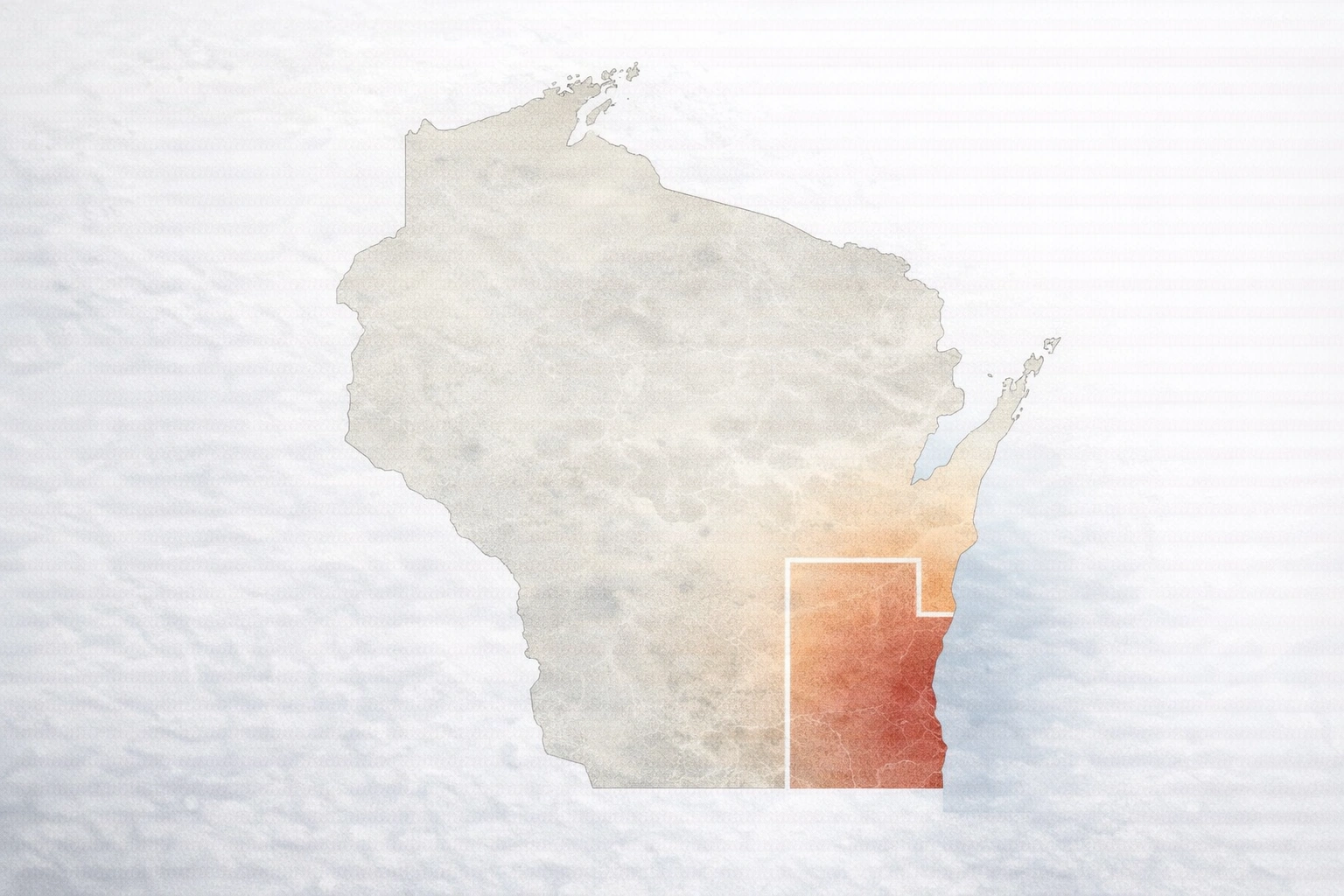
Wisconsin Radon Risk by Region

Radon is one of those risks that rarely gets attention until it becomes a problem. You cannot see it. You cannot smell it. You cannot taste it. Yet it can quietly build up inside homes and increase serious health risks over time. 

Many homeowners assume that if their house looks clean and well built, the air inside must be safe. Radon challenges that assumption. Radon can also accumulate in apartment buildings, businesses, and schools, not just single-family homes.

Radon is a naturally occurring radioactive gas that forms underground. It is released when uranium in soil and rock breaks down. 

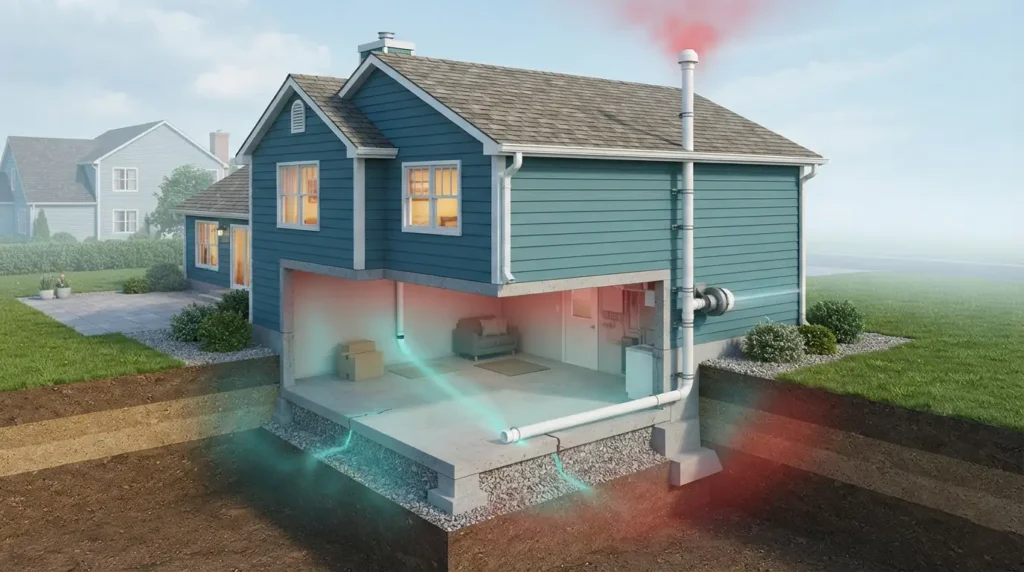
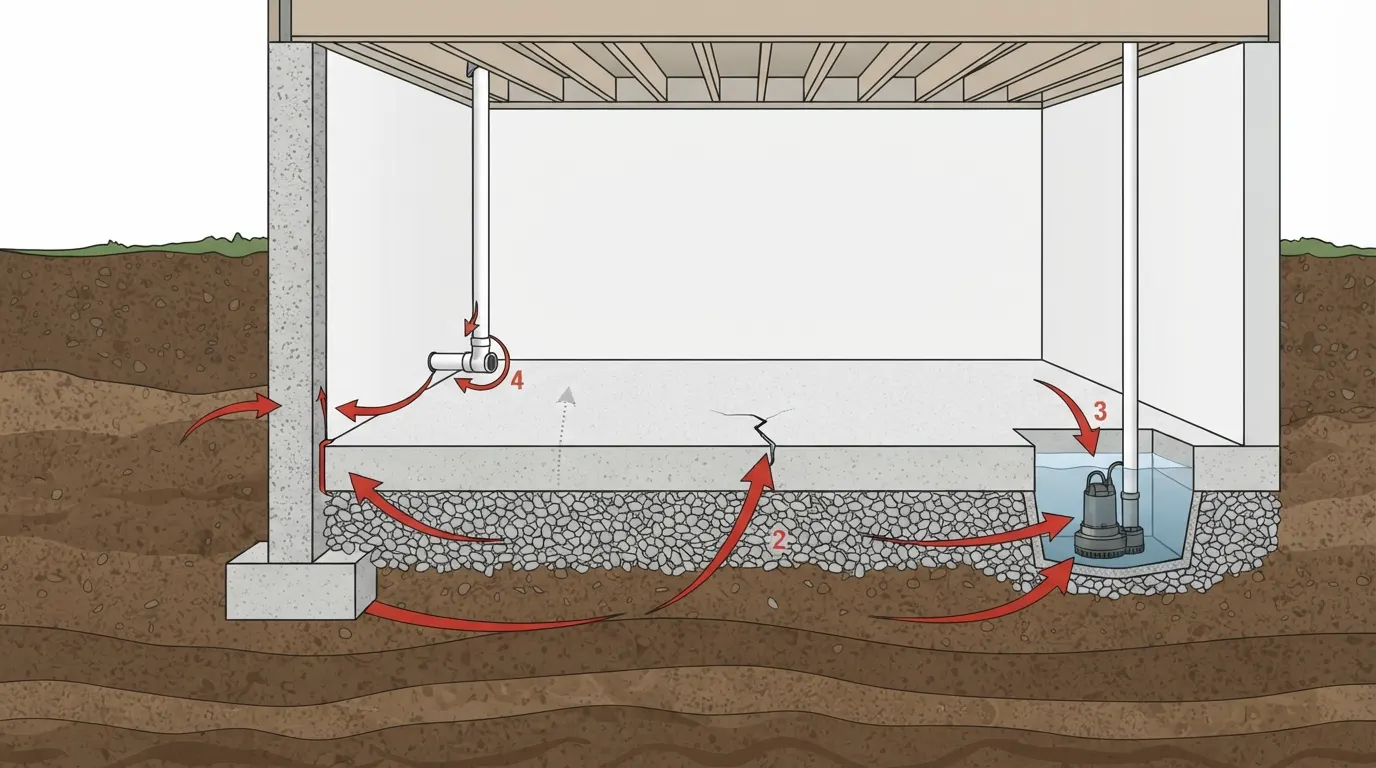
From there, it moves upward through the ground and can enter buildings through small openings in foundations, basement floors, crawl spaces, and utility penetrations. 

Radon is a colorless, odorless radioactive gas that occurs naturally in the ground and can enter homes, schools, and businesses. Once inside, it can accumulate to dangerous levels if not properly managed.

The reason radon deserves attention is simple. Long term exposure is a leading cause of lung cancer among people who do not smoke. It affects old homes and new homes alike. It does not care about how well decorated your living room is or how modern your HVAC system looks.

Testing and mitigation are essential steps to protect your family’s health. Health services play a key role in raising awareness and encouraging radon testing to protect public health. Understanding how radon works is the first step toward protecting your home and the people inside it.

Radon is a concern in Milwaukee homes and in areas like Walworth counties, making it important for residents and businesses in these regions to be proactive about testing and mitigation.

Wisconsin Radon Risk by Region

How Radon Enters Homes

Radon moves through the ground in the same way air and water do. Pressure differences between the soil and your home create a natural pulling effect. Warm air rising inside the house lowers indoor pressure, which draws soil gases upward. Radon takes advantage of this movement. 

Every home, regardless of age or construction, should have its home tested for elevated radon levels to ensure safety.

Common entry points include cracks in concrete slabs, gaps around sump pumps, construction joints, floor drains, and even tiny pores in foundation materials. Homes with basements and crawl spaces are particularly vulnerable, but slab on grade homes are not immune.

In some cases, radon enters through well water, especially in areas with high uranium content in bedrock. When water is used for showering or cooking, radon gas can be released into the air. This pathway is less common but still important in certain regions.

Once radon enters a building, it can remain trapped. Poor ventilation and tightly sealed structures can actually make the problem worse by allowing levels to build up over time. 

Radon testing should be conducted in the lowest level of the home, such as the basement, to obtain accurate readings.

Understanding Radon Levels

Radon is measured in picocuries per liter of air. The Environmental Protection Agency recommends action if indoor radon levels are 4 picocuries per liter or higher. 

However, there is no level that is considered completely safe. High levels of radon can pose significant health risks, including an increased risk of lung cancer, and require prompt action. Risk increases with both concentration and duration of exposure.

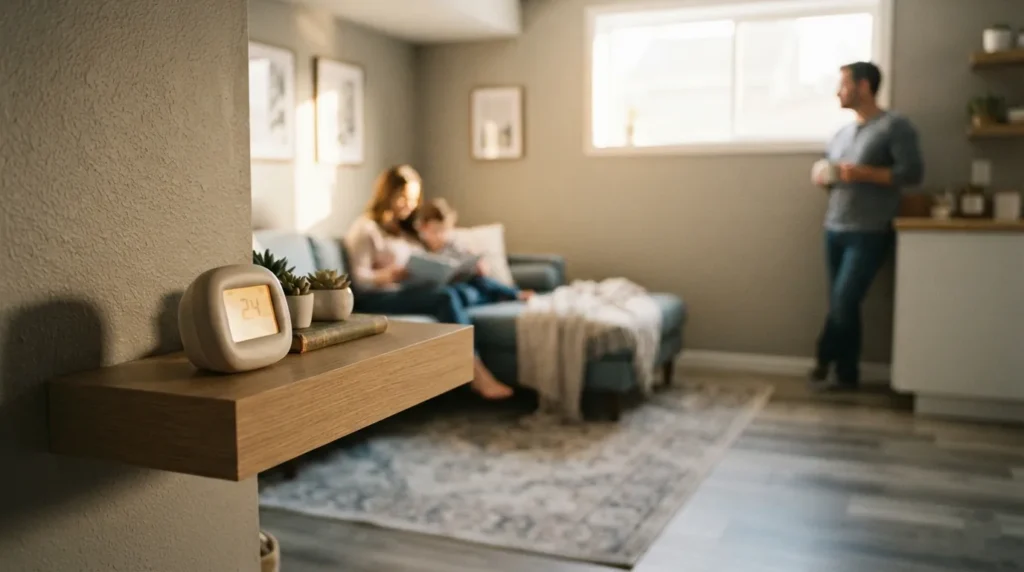
Short term testing provides a quick snapshot of radon levels, while long term testing gives a more accurate picture of average exposure throughout the year. Levels can fluctuate due to weather, soil moisture, and home ventilation patterns. 

That is why testing is not a one time decision but part of responsible home ownership. Radon testing is essential for every home, regardless of its age or location, and residential properties are especially at risk.

There are several types of radon tests available, including short-term electronic monitors, long-term alpha track tests, and DIY charcoal kits. A short-term radon test typically lasts 48 hours and is often used during real estate transactions.

Long-term radon tests can last from 90 days to a year and allow normal living conditions during the testing period.

Many homeowners are surprised when they see their test results. Houses in the same neighborhood can have vastly different readings. The only way to know your risk is to test your specific home.

Why Radon Is Dangerous to Your Health

Radon itself is not what causes damage. The real danger comes from what happens after it is inhaled. Radon breaks down into radioactive particles that attach to dust and other airborne particles. When these are breathed in, they can lodge in the lining of the lungs.

Over time, radiation from these particles damages lung tissue. This damage increases the likelihood of cancer developing. According to public health studies, radon exposure is responsible for tens of thousands of lung cancer deaths each year in the United States alone.

Smokers face an even higher risk, but nonsmokers are not protected. Radon is the leading cause of lung cancer among people who have never smoked. Children are also at greater risk because their lungs are still developing and they breathe more rapidly than adults.

The danger of radon lies in its invisibility and its patience. It does not cause immediate symptoms. It works quietly over years, making prevention and early action critical.

The Role of Vapor Intrusion

Radon is part of a broader category of indoor air risks known as Vapor Intrusion. This term refers to the movement of harmful gases from the ground into indoor spaces. 

While radon is the most common example, other contaminants such as volatile organic compounds can also enter homes through similar pathways.

Understanding Vapor Intrusion helps homeowners see the bigger picture. It is not just about one gas. It is about how soil conditions, building design, and air pressure interact. Homes built near former industrial sites, landfills, or areas with certain geological features may face higher risks.

Addressing Vapor Intrusion often involves improving foundation sealing, managing pressure differences, and installing systems that redirect gases before they enter living spaces. 

Radon mitigation systems are specifically designed to handle radon, but the principles apply more broadly to indoor air safety. 

Remediation and commercial radon mitigation services are also available for businesses and large properties, ensuring effective solutions for a variety of building types.

A professional evaluation is essential to determine the best mitigation approach. Custom design of radon mitigation systems is often necessary to accommodate the specific construction and layout of each home or building.

Why Testing Matters Even in New Homes

There is a common misconception that newer homes are safer when it comes to radon. In reality, modern construction techniques can sometimes increase risk. 

Energy efficient homes are often more tightly sealed to reduce heating and cooling loss. While this improves efficiency, it can trap radon indoors.

New construction does not eliminate soil gas movement. If anything, it can enhance the pressure differences that draw radon inside. That is why radon resistant construction techniques are recommended in many areas, especially during new builds.

Testing should be done regardless of the age of the home. It should also be repeated after major renovations, changes to HVAC systems, or foundation repairs. 

Any change that affects airflow can alter radon levels. Home inspectors often recommend radon testing as part of the home buying process to ensure safety and compliance.

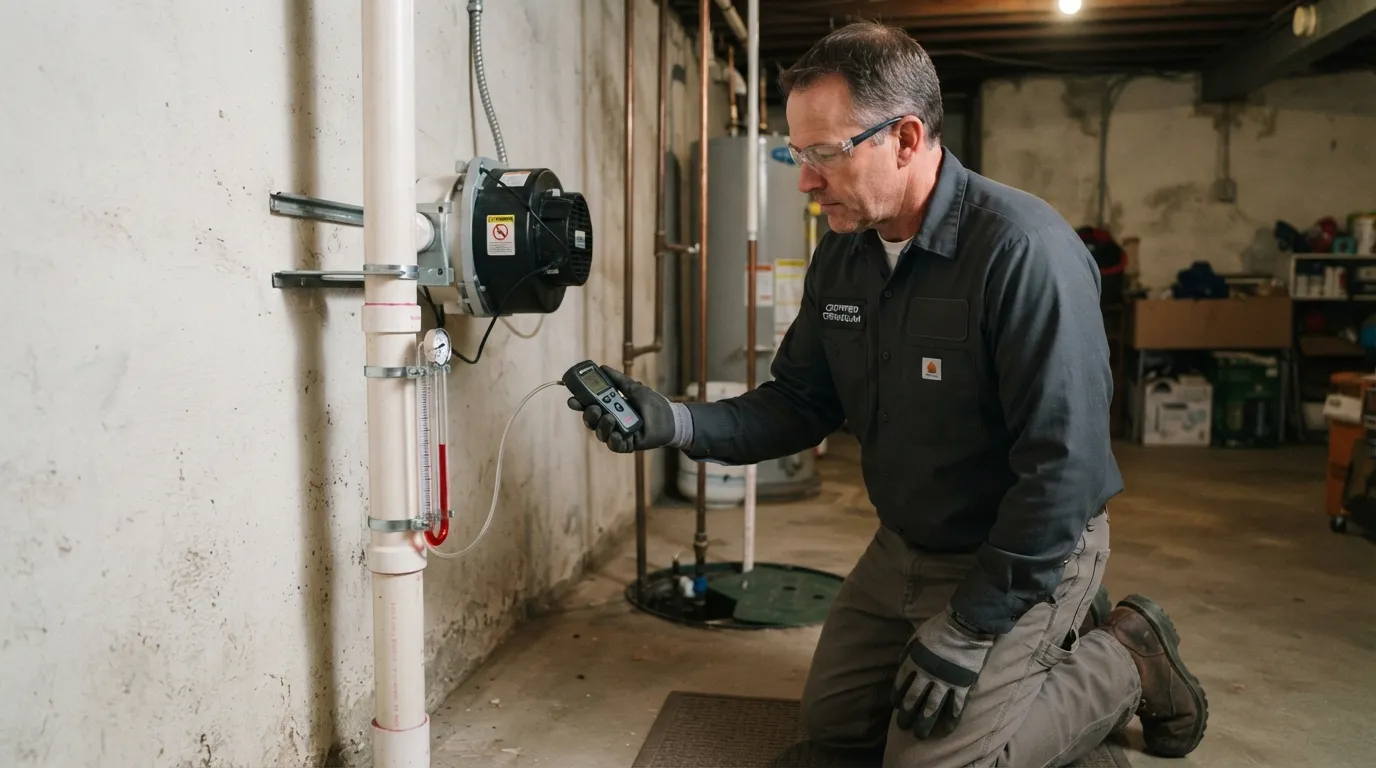
Post-mitigation retesting is mandatory no sooner than 24 hours after installation to verify that the mitigation system is working properly.

What a Radon Mitigation System Does

A radon mitigation system works by changing the pressure dynamics beneath and inside your home. The most common approach is sub slab depressurization. 

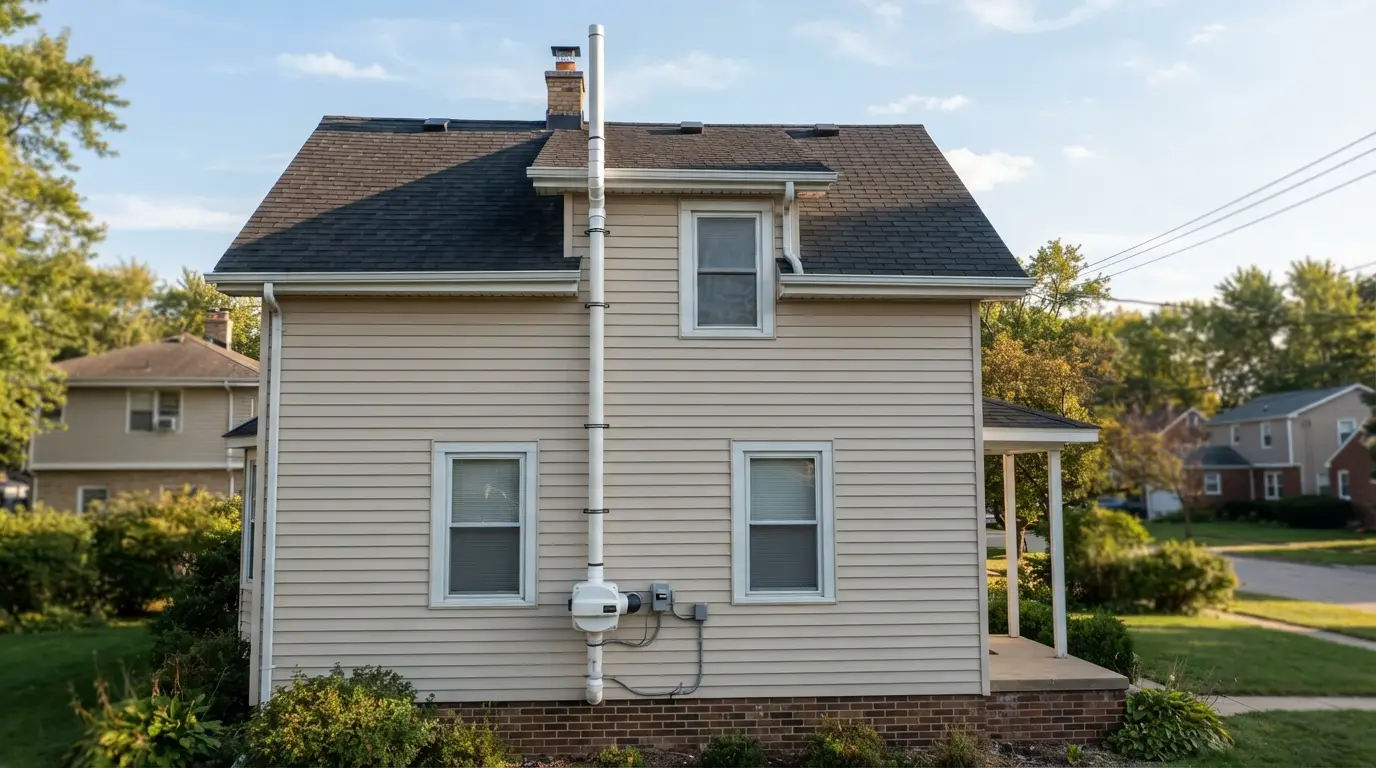
This involves installing a pipe through the foundation that draws radon laden air from beneath the house and vents it safely above the roofline. 

Professional radon mitigation system installation typically requires a custom design to fit your home’s specific construction and layout, and often includes components such as exhaust fans and sump pumps to ensure effective radon reduction.

A fan creates continuous suction, preventing radon from entering living spaces. Properly installed systems can reduce radon levels by up to 99 percent. 

They operate quietly and require minimal maintenance when designed correctly. The installation process for radon mitigation systems is typically completed in a single day.

Radon mitigation system installation can significantly lower radon levels, often bringing them below the EPA’s action level of 4 pCi/L.

In some cases, additional sealing and ventilation improvements are used alongside the system. Radon mitigation systems can also help reduce moisture levels in homes, which can prevent mold growth. Every home is different, which is why professional evaluation is important before installation.

To install or install a radon mitigation system effectively, expertise is required to ensure the system is tailored to each home’s unique needs.

Over time, components can wear out. Fans may fail or pipes may become disconnected. That is where Radon System Repair & Fan Replacement becomes essential to maintain performance and protect indoor air quality.

Maintenance and Long Term Safety

Installing a system is not the end of the story. Like any mechanical system, radon mitigation equipment needs monitoring. Many systems include warning devices that indicate fan failure or reduced suction.

Periodic testing ensures the system is still doing its job. Changes in soil conditions, home use, or weather patterns can affect performance. 

Regular checkups help catch issues early. Radon mitigation companies in Wisconsin stress the use of certified technicians for installation and maintenance to ensure safety and compliance.

Professional services such as Radon System Repair & Fan Replacement are critical when components reach the end of their lifespan. 

Clients value the clear communication and thorough explanations provided by radon specialists of Wisconsin, which helps ensure customer understanding and satisfaction. Ignoring a failed fan can allow radon levels to rise without notice.

Homeowners who stay proactive enjoy long term peace of mind and healthier indoor environments.

Radon in Real Estate Transactions

Radon testing has become a standard part of many real estate transactions. Buyers want to know what they are getting into, and sellers want to avoid surprises late in the process.

Addressing radon before listing a home can actually be a selling advantage. A documented mitigation system and recent test results show responsibility and transparency. 

It removes uncertainty for buyers and can prevent delays during closing. Many radon specialists of Wisconsin provide radon testing results and reports to clients via e-mail for convenience and record-keeping.

For buyers, testing provides leverage and clarity. If elevated levels are found, mitigation can often be negotiated as part of the sale. Either way, informed decisions protect everyone involved.

Why Professional Expertise Matters

While do it yourself radon test kits are widely available, interpretation and next steps require experience. A high reading is not just a number. It is a signal that needs proper evaluation

Professionals may be certified only in measurement (testing), only in mitigation (fixing), or in both, and certification is an important indicator of expertise.

Professionals understand building science, soil conditions, and pressure dynamics. They know how to design systems that work efficiently without creating new issues. They also ensure compliance with safety standards and best practices.

Milwaukee Radon Home focuses exclusively on radon testing and mitigation, bringing local expertise and precision to every project. 

There are approximately 150 certified radon contractors in Wisconsin, but the state does not legally require radon contractors to be licensed. 

Their experience allows them to tailor solutions to each structure rather than applying a one size fits all approach. 

The Wisconsin Department of Health Services recommends hiring a company certified by the National Radon Proficiency Program (NRPP) or National Radon Safety Board (NRSB). Wisconsin Radon Services is certified by the American Association for Radon Scientists and offers both radon testing and mitigation services.

If you have questions or want to schedule testing, calling 414 455 7279 connects you with knowledgeable professionals who understand both the science and the local conditions.

Radon Awareness and Education

Radon awareness and education are the foundation of protecting your home and your family’s health. Many people are surprised to learn that radon is an odorless radioactive gas completely invisible and undetectable without specialized testing. 

This silent killer can seep into homes and buildings throughout Wisconsin, including Milwaukee County, Washington County, and Waukesha County, where radon levels are often higher than the national average.

The EPA guidelines are clear: if your home’s radon measurement is 4 picocuries per liter (pCi/L) or higher, it’s time to take action. 

Radon exposure is a leading cause of lung cancer among non-smokers, making it essential for every homeowner to understand the risks and the steps needed to remove radon from indoor air. 

Regular radon testing is the only way to know if your home is affected, and a certified radon professional can provide accurate radon measurement and expert advice on the best mitigation system for your situation.

The radon mitigation process typically starts with a thorough assessment, followed by the installation of a radon mitigation system. 

One of the most effective methods is sub-slab depressurization, which draws radon gas from beneath your home and safely vents it outside. 

Choosing a fully certified radon contractor such as those recognized by the National Radon Proficiency Program ensures that your mitigation system is installed correctly and meets the highest standards for safety and effectiveness.

Companies like Milwaukee Radon Home offer affordable pricing, a lifetime guarantee, and a commitment to quality service. 

Their radon mitigation services are trusted throughout Wisconsin, providing peace of mind for homeowners who want to protect their families from dangerous radon levels. 

Whether you need a radon mitigation system quote, ongoing maintenance, or simply want to learn more about the risks, working with a radon professional is the best way to ensure your home stays safe.

Education is the first step in reducing the risk of radon exposure. By staying informed, scheduling regular testing, and working with certified experts, you can mitigate the dangers of radon and create a healthier living environment for everyone in your home.

Common Myths About Radon

One common myth is that radon only affects certain regions. While some areas have higher average levels, radon has been found in homes in every state. Another misconception is that short term exposure is harmless. 

Risk accumulates over time, but even moderate levels can be dangerous if exposure is prolonged. A radon problem can occur in any home, regardless of location, and professional remediation is the most effective way to address it.

Some people believe that opening windows solves the problem. While ventilation can temporarily lower levels, it is not a reliable or permanent solution. Weather changes and seasonal shifts can quickly reverse any short term gains.

Understanding the facts helps homeowners make informed decisions rather than relying on assumptions.

FAQs

Is radon only a problem in basements

Radon levels are often higher in basements because they are closest to the soil, but radon can affect any level of a home. Gas moves freely through air, so elevated levels can be present on main floors and upper stories as well.

How often should I test my home for radon

Testing is recommended every two years or after major structural or ventilation changes. Long term testing provides the most accurate picture of ongoing exposure and system performance.

Can radon mitigation increase energy costs

Most mitigation systems use low energy fans and have minimal impact on utility bills. The health benefits far outweigh the small operating cost associated with running the system continuously.

What is the average cost of a radon mitigation system in Wisconsin?

The average cost for a radon mitigation system in Wisconsin is typically between $1,000 and $2,000.

Is radon a concern for renters

Yes. Radon does not discriminate based on ownership. Renters should ask landlords about testing and mitigation, especially in ground level or basement units where exposure may be higher.

Conclusion

Radon is not a dramatic threat that announces itself. It is quiet, persistent, and dangerous precisely because it goes unnoticed. Understanding what radon is and why it matters empowers homeowners to take control of their indoor air quality.

Testing is simple. Mitigation is effective. The risk is real, but it is also manageable with the right knowledge and professional support. By addressing radon proactively, you protect your health, your home, and your peace of mind.

If you suspect radon may be present or want reassurance through testing, Milwaukee Radon Home provides expert guidance and reliable solutions.

They have extensive experience serving clients throughout WI, ensuring local expertise in radon mitigation. A quick call to 414 455 7279 can be the first step toward a safer and healthier living environment.

Share:

Related Posts