
Radon is one of those household risks that rarely gets attention until someone points it out. It has no smell, no color and no obvious warning signs. Yet it is present in homes across the United States and in many cases at levels that deserve action.
If you are reading this you are likely already aware that radon is something you should not ignore. The good news is that reducing radon levels in your home is possible and in many cases easier than people expect.
Let’s understand what radon is, how it enters your home and what you can do right now to reduce exposure.
We will look at simple steps you can take on your own as well as situations where professional mitigation makes sense. The goal is not to overwhelm you with theory but to help you move from concern to clear action.
Table of Contents

Benefits of Radon Mitigation System
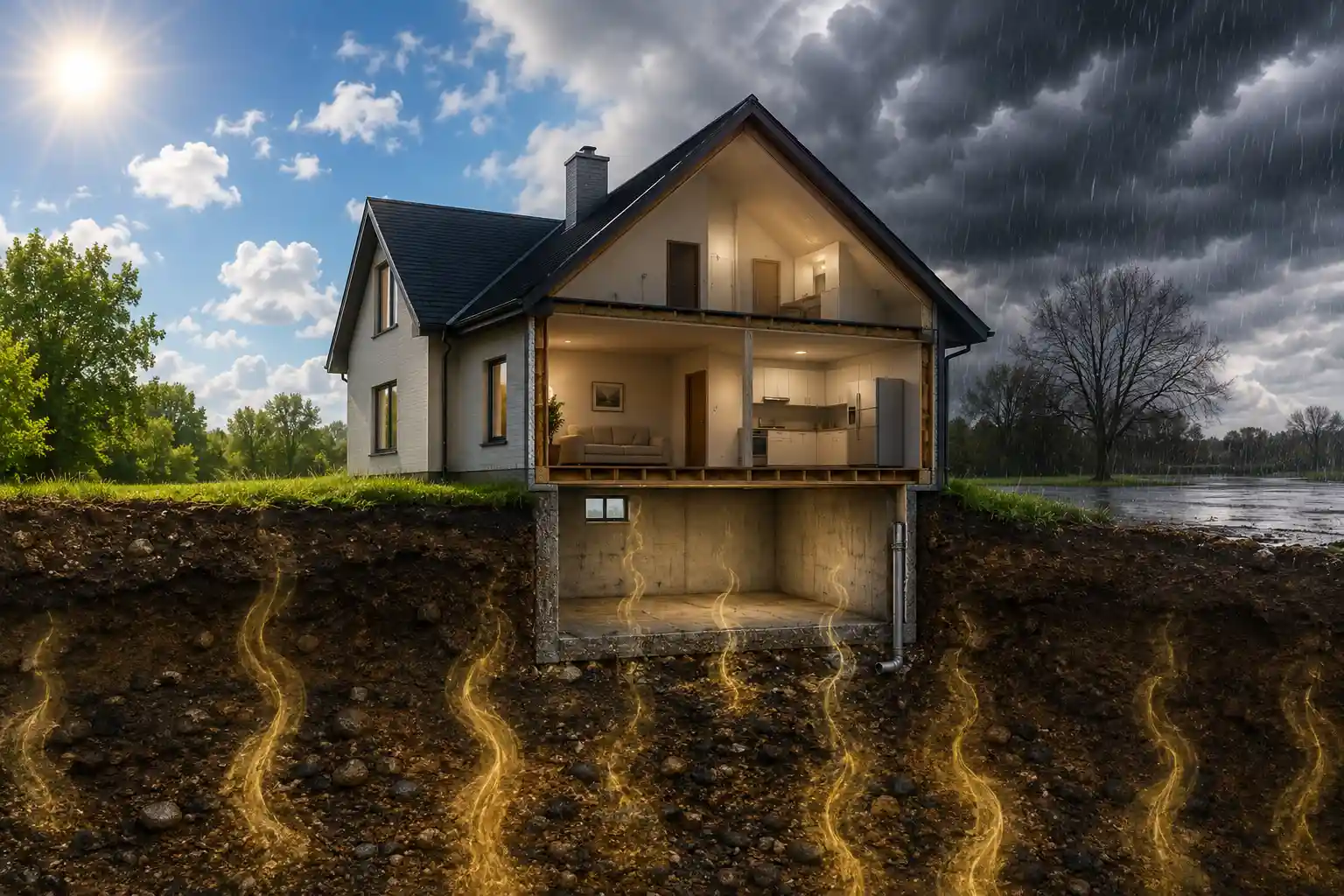
Radon is a naturally occurring radioactive gas that forms as uranium breaks down in soil and rock. It moves upward through the ground and can enter buildings through small openings in the foundation. Because homes are often under negative pressure compared to the soil around them, radon is pulled inside and becomes trapped.
Once indoors, radon can build up to levels that increase the risk of lung cancer over time. This risk applies to smokers and non-smokers alike, though the risk is higher for those who smoke.
Radon exposure is considered the second leading cause of lung cancer in the United States, which is why health agencies continue to emphasize testing and mitigation.
Radon levels are measured in picocuries per liter (pCi/L). The Environmental Protection Agency (EPA) recommends taking action if levels are 4 pCi/L (picocuries per liter) or higher, which is the EPA’s recommended action level.
Even lower levels may still carry some risk, which is why many homeowners aim to reduce radon as much as reasonably possible. If a radon test result shows your home’s indoor radon levels at or above 4 pCi/L, mitigation is strongly recommended.
Your home’s radon level should be determined by testing, and if the result is above 4 pCi/L, you should hire a certified contractor for a radon mitigation system installation effectively reduce indoor radon concentrations.
How radon gets into your home
Radon does not appear inside a home on its own. It enters through pathways that are often invisible to the eye. Understanding these entry points helps explain why certain mitigation methods work so well.
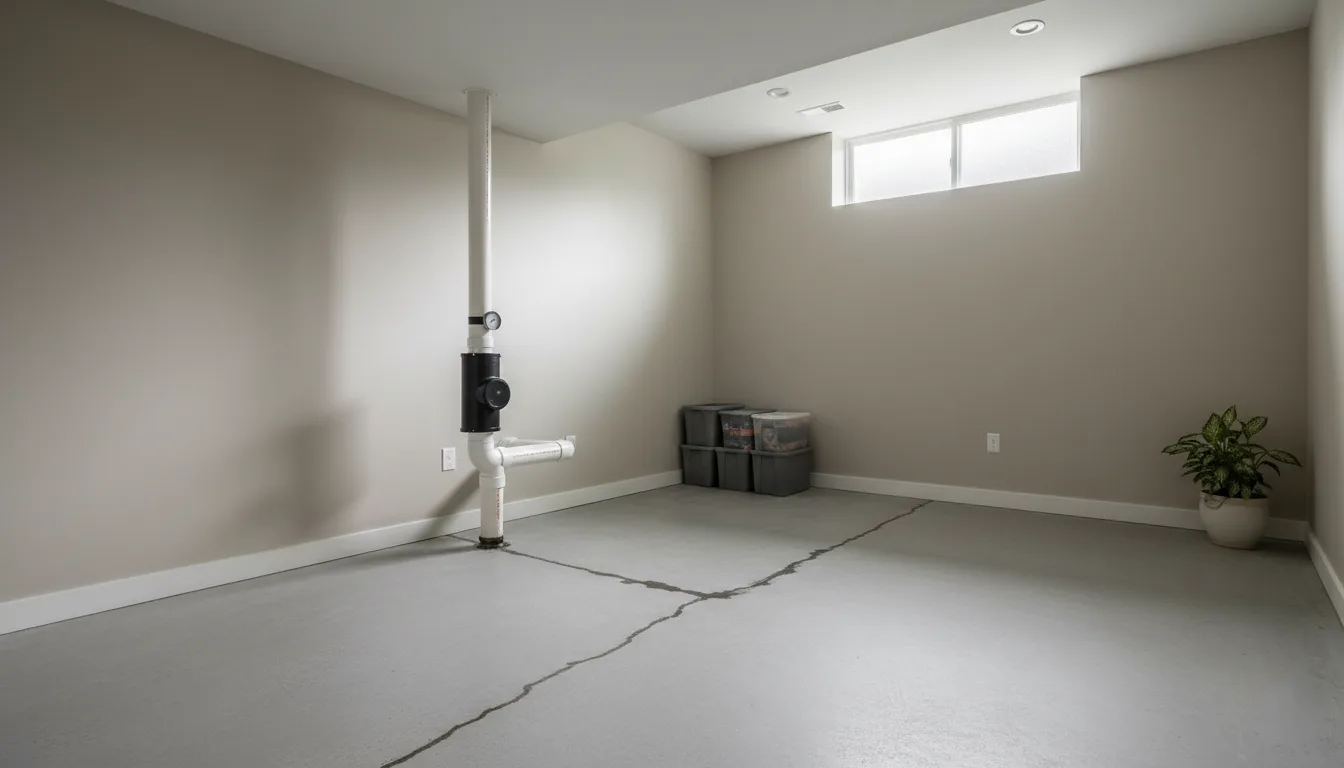
Common entry routes include cracks in concrete slabs, gaps around sump pits, joints where walls meet floors, openings around utility penetrations, crawl spaces and porous building materials. Homes with basements are more likely to have elevated radon but slab on grade and crawl space homes can also be affected.
Pressure differences play a major role. Warm air rising inside a home creates a slight vacuum at the lower levels. This effect pulls soil gases upward including radon. Moist soil air can also enter the home through these same pathways, contributing to a higher humidity level, especially in basements.
Mechanical systems such as exhaust fans, clothes dryers and furnaces can increase this pressure difference and draw in more radon.
Water can also be a source though this is less common. In some areas radon dissolves into well water and is released into the air during activities like showering or washing dishes. This is a smaller contributor in most homes but still worth noting.
Radon mitigation systems can help control the infiltration of moist soil air, thereby reducing basement humidity and improving overall air quality.
Why quick action matters
Radon exposure is not an emergency in the sense of a gas leak or fire. You do not need to panic or evacuate your home. At the same time it is not something to put off indefinitely.
The health risk from radon comes from long term exposure. The sooner levels are reduced the sooner that risk begins to drop.
The primary benefit of a radon mitigation system is the reduced risk of developing lung cancer. Current occupants, not just future buyers will benefit from this reduced risk as soon as mitigation is completed.
Studies show that mitigation can significantly lower radon concentrations and that the benefits increase the earlier action is taken.
Another reason to act promptly is peace of mind. Many homeowners report feeling uneasy after learning their radon levels are high. Taking clear steps toward reduction replaces uncertainty with control.
Conduct a radon test accurately in your home
Before you can reduce radon you need to know your starting point. Testing is the only way to determine radon levels. Fortunately testing is simple and affordable.
Short term tests typically run from two to seven days and provide a quick snapshot. Long term tests measure radon over ninety days or more and offer a more accurate picture of average exposure.
Many experts recommend starting with a short term test and following up with a long term test if results are near or above action levels. In some cases, professionals may perform diagnostic tests to determine the most effective mitigation approach for your home’s specific conditions, such as foundation type and construction features.
Tests should be placed in the lowest living level of the home. This could be a basement if it is used regularly or the first floor if the basement is unfinished and unused.
Windows and doors should remain closed as much as possible during the test to reflect normal living conditions. After mitigation, radon testing should be conducted by an independent tester to ensure unbiased results.
Once you have results you can decide on next steps. If levels are low periodic retesting every few years is usually sufficient. If levels are elevated it is time to consider reduction methods. Testing should be repeated at least every two years or as required by your state or local authority.
Simple actions that can help lower radon
There are steps homeowners can take on their own that may help reduce radon levels. DIY mitigation is an option for some, but it is important to consult resources like the Radon Fix-It line for guidance before attempting to address radon issues yourself.
These methods are not always enough on their own but they can contribute to lower concentrations and support professional mitigation systems.
Sealing obvious cracks and openings in the foundation can help prevent radon from entering the home. This includes cracks in slab gaps around pipes and uncovered sump pits. While sealing alone rarely brings levels below recommended limits it can improve the effectiveness of other measures.
Improving ventilation can help dilute indoor radon. Opening windows and using fans can temporarily lower levels but this approach is not practical year round in many climates. Mechanical ventilation systems that exchange indoor and outdoor air in a controlled way are more reliable.
Maintaining balanced air pressure in the home is another factor. Properly adjusted heating and cooling systems can reduce the pressure differences that draw radon in from the soil.
These steps are best viewed as supportive measures rather than complete solutions. In homes with moderate to high radon levels a dedicated mitigation system is usually required.
Proven professional mitigation methods
Professional radon mitigation focuses on preventing radon from entering the home rather than trying to remove it once it is inside.
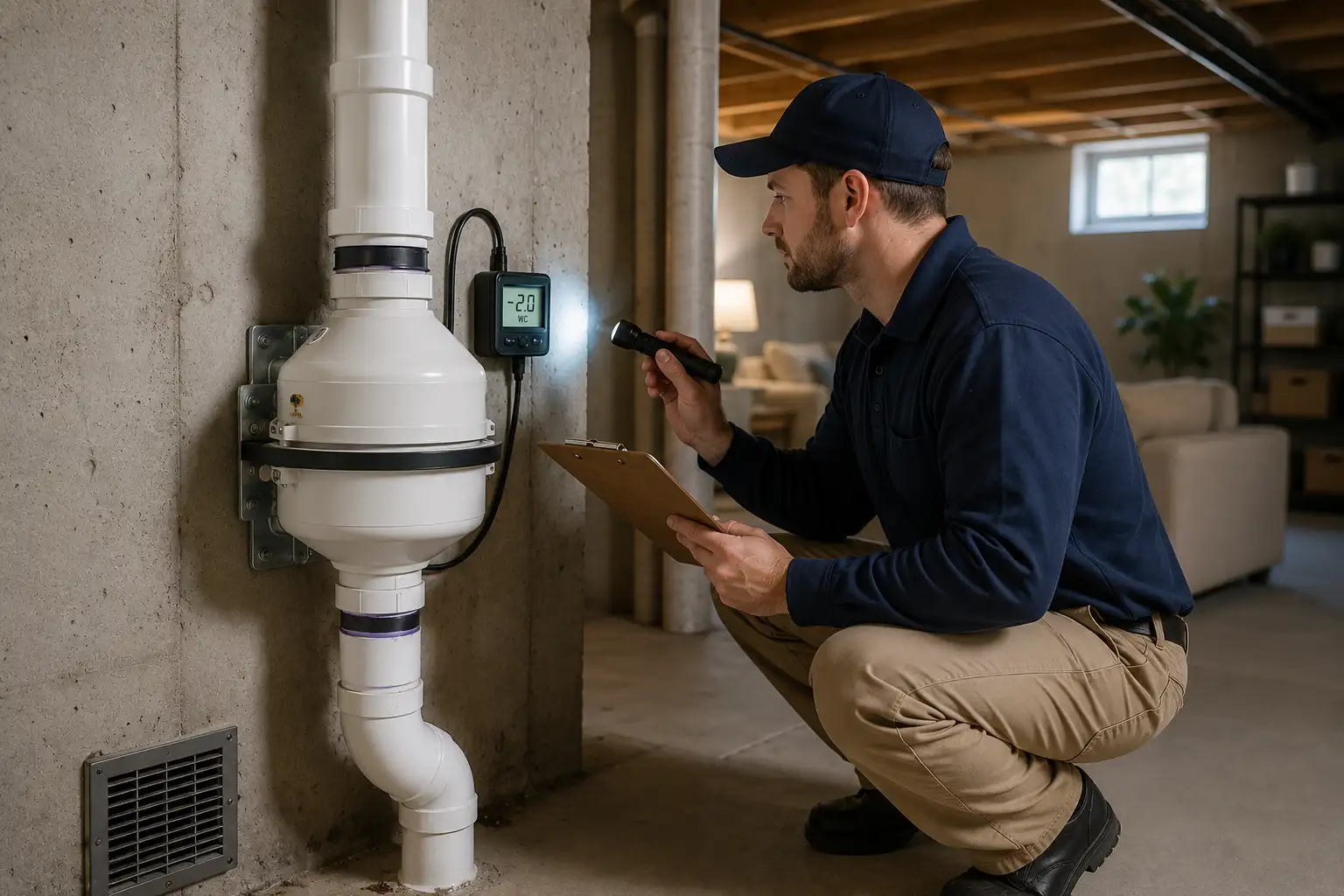
The most common and effective method is active soil depressurization, and it is important to have a qualified professional design and install a radon mitigation system to address the radon problem effectively.
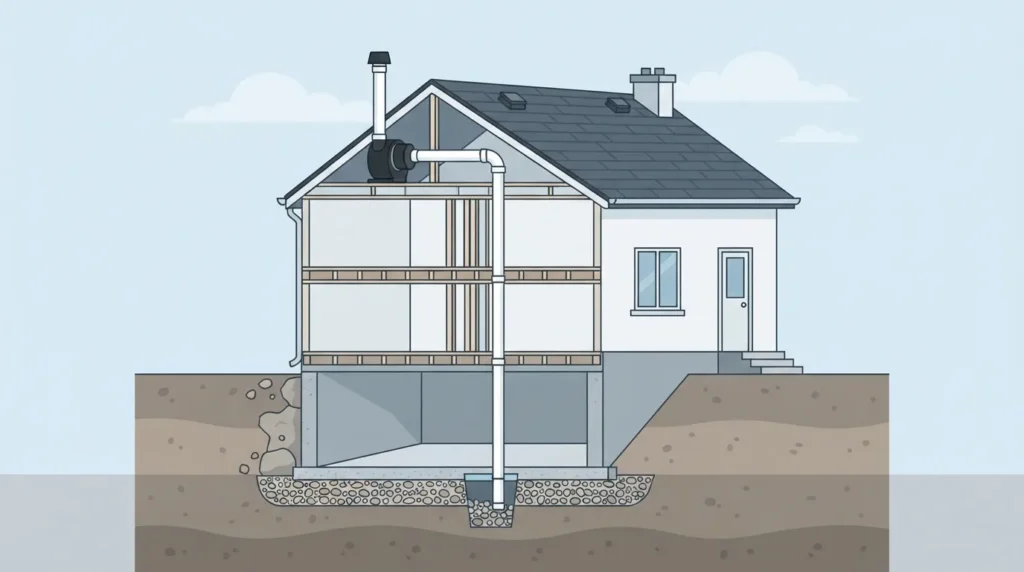
This system involves installing a pipe through the foundation into the soil beneath the home. A suction pit is dug below the basement floor so the radon pipe can pull radon directly from beneath the home’s foundation.
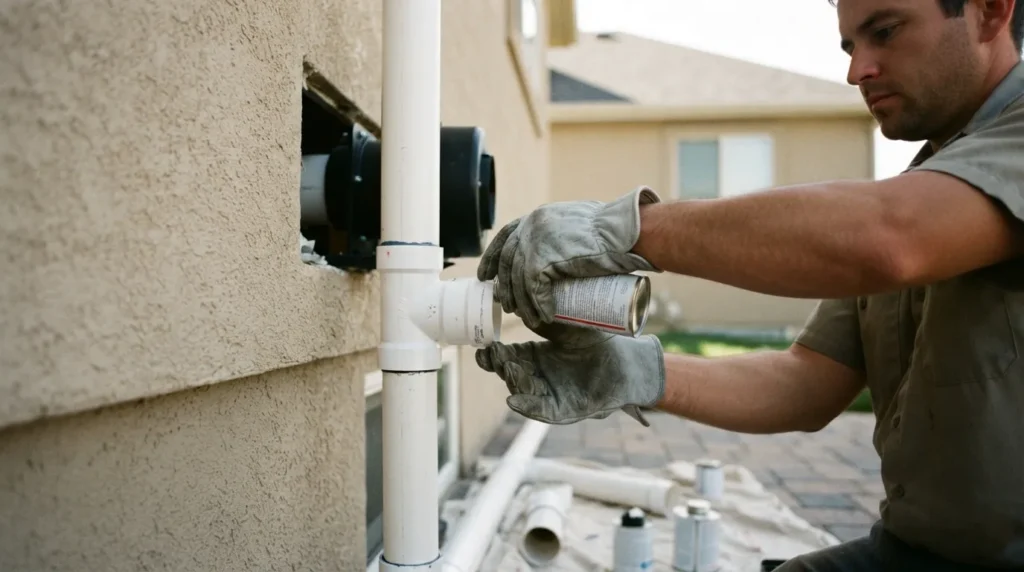
A fan attached to the pipe continuously pulls air from the soil and vents it outdoors through an exhaust pipe, which must be properly placed at least 10 feet above ground and away from windows and doors.
The fan is typically located in an unconditioned space, such as an attic or garage, to prevent radon from leaking back into the home. Most standard radon reduction systems include a monitor that will alert you if the system needs servicing.
There are variations of this approach depending on the type of foundation. Sub slab systems are used for basement and slab homes. Crawl space homes may use a membrane to seal the ground combined with a depressurization system beneath the membrane.
Standard radon reduction systems are usually effective within 24 hours and maintain low radon levels as long as the fan is operating.
When properly designed and installed by radon professionals, these systems can reduce radon levels by up to ninety nine percent. They operate continuously and use very little electricity.
Installing a radon mitigation system is often the most cost effective solution for addressing a radon problem, and also vents other hazardous soil gases, improving overall air quality and potentially alleviating asthma and allergy symptoms.
The cost to install a radon mitigation system can range from $1,200 to $3,000, with the average cost for a contractor being about $1,500, about the same as having a new hot water heater installed.
Costs vary depending on the size and design of the home, and different reduction methods are needed for different situations. Installing a radon mitigation system offers health, financial, and structural benefits, including enhanced indoor air quality.
In some cases additional methods such as block wall depressurization or drain tile suction are used to address specific building features.
Certification and standards
When it comes to protecting your home and family from radon, choosing the right radon mitigation system and the right professional to install it makes all the difference.
Not all mitigation systems are created equal, and the expertise of the installer is just as important as the hardware itself. That’s why certification and adherence to industry standards should be at the top of your checklist.
Look for radon mitigation professionals who are certified by respected organizations such as the National Radon Proficiency Program or the National Radon Safety Board. These certifications mean the contractor has the technical knowledge and hands-on experience to design and install a radon reduction system that truly works.
Certified professionals are trained in the latest radon reduction methods, including sub-slab depressurization and soil suction systems, which are proven to reduce radon concentrations to safer levels.
A standard radon reduction system typically features a vent pipe and an exhaust fan that work together to draw radon gas from beneath your home and safely vent it outside.
Most radon reduction systems, when installed according to ANSI/AARST standards, are highly effective at reducing radon levels. However, the key to success is proper installation by a qualified professional who understands the unique needs of your home.
Before you hire anyone, ask for free estimates and check that the contractor carries liability insurance. This protects you in case of accidental damage during installation.
It’s also wise to verify their credentials with the National Radon Proficiency Program or the National Radon Safety Board, ensuring you’re working with someone who meets national standards.
After your mitigation system is installed, a post-mitigation radon test is essential. This test, conducted no sooner than 24 hours and no later than 30 days after the system is activated, confirms that radon levels remain low and that the system is working as intended.
The Environmental Protection Agency recommends retesting your home every two years, or sooner if your home undergoes significant alteration, such as a major renovation or the installation of a new hot water heater.
For many families, especially those in low-income communities, the cost of installing a radon mitigation system can be a concern. Fortunately, federal programs like the Community Development Block Grant and affordable housing initiatives from the Department of Urban Development may help fund radon reduction projects.
By insisting on certified radon mitigation professionals, following established standards, and taking advantage of available funding, you can reduce radon concentrations in your home, lower your risk of developing lung cancer, and enjoy greater peace of mind.
Remember, a properly installed mitigation system is a cost-effective solution that protects your family for years to come.
Addressing vapor intrusion concerns
While radon is the most well known soil gas it is not the only one that can enter a home from the ground. Vapor Intrusion refers to the movement of volatile chemicals from contaminated soil or groundwater into indoor air. The pathways and pressure dynamics are similar to those that allow radon entry.
Homes near former industrial sites, landfills or certain commercial properties may face vapor intrusion risks in addition to radon. Mitigation strategies often overlap which means a properly designed system can address both concerns.
Understanding whether vapor intrusion is a factor in your area requires local knowledge and sometimes additional testing. This is one reason many homeowners choose experienced local professionals who understand regional soil conditions and building practices.
The importance of system maintenance
Installing a mitigation system is not a one time task that can be forgotten. Like any mechanical system it requires periodic checks to ensure it continues to function as intended.
Fans can wear out over time and piping connections can loosen. Manometers or system monitors should be checked regularly to confirm proper airflow. Radon levels should be retested after installation and then periodically every few years or after major home renovations.
Retesting is especially important if the building undergoes significant alteration, such as structural changes or modifications to the ventilation system.
If radon levels rise again this may indicate the need for Radon System Repair & Fan Replacement. Prompt attention keeps exposure low and extends the life of the system.
The EPA recommends homeowners test for radon every two to five years to ensure the mitigation system remains effective, and you should always test your home after any significant changes to confirm radon levels have been reduced.
Choosing the right mitigation partner
Selecting a qualified professional is one of the most important decisions in the radon reduction process. Proper design and installation make a significant difference in performance and durability.
Look for providers who specialize in radon mitigation and hold relevant certifications. Experience with local building styles and soil conditions is a major advantage. A reputable contractor will explain system options, provide clear pricing and offer post installation testing.
For homeowners in Wisconsin and surrounding areas Milwaukee Radon Home is known for focused expertise and practical solutions tailored to local conditions. Working with a local specialist also makes follow up service and long term support more convenient.
If you have questions or need guidance a direct conversation can be helpful. Many homeowners find clarity by speaking with a professional at 414 455 7279 to discuss testing results and appropriate next steps.
Cost considerations and value
The cost of radon mitigation varies depending on home size, foundation type and system complexity. In many cases it falls within a range comparable to other home improvement projects.
Programs generally exist at the federal, state, and community level to help fund radon mitigation, especially for limited income families.
Local agencies often receive funding from these programs to support radon reduction efforts in low-income and rental housing. Financial assistance for radon mitigation systems may be available based on household income and geographic location.
When evaluating cost it helps to consider long term value. Reducing radon lowers health risk increases peace of mind and can improve resale appeal. In some real estate markets radon mitigation is viewed as a responsible upgrade rather than a liability.
Operating costs are typically low. Fans use minimal electricity and maintenance requirements are modest. Over the life of the system the cost per year is often quite reasonable.
Radon and real estate transactions
Radon testing is increasingly common during home sales. Elevated levels do not mean a deal must fall apart but they do require attention.
Homes with existing radon mitigation systems are often more attractive to buyers, as both the current and buyer’s occupants will reap the health and safety benefits of reduced radon exposure.
In many transactions the seller agrees to install a mitigation system prior to closing. In others the buyer may negotiate a credit to address the issue after purchase. Clear documentation and professional installation help keep the process smooth.
If you plan to sell your home in the future proactive testing and mitigation can prevent surprises and demonstrate responsible ownership.
Living comfortably with a radon mitigation system
One concern homeowners sometimes have is whether a mitigation system will be noisy or disruptive. Modern systems are designed to operate quietly and unobtrusively.
Fans are typically installed outside the living space often in attics garages or on the exterior of the home. Proper placement minimizes sound. Piping can be routed discreetly and painted to match exterior finishes.
Most homeowners report that once installed they rarely think about the system at all. The peace of mind tends to outweigh any minor visual impact.
Long term radon awareness
Reducing radon levels is not a one time decision but part of ongoing home health awareness. Retesting every few years ensures that changes in the home or environment have not altered radon entry patterns.
Major renovations such as finishing a basement adding an addition or modifying heating systems can affect radon levels. Retesting after such changes is a wise precaution.
Staying informed also helps you make better decisions for family members particularly children and elderly residents who may spend more time indoors.
FAQs
What is the fastest way to reduce radon levels in a home
The fastest reliable method is professional active soil depressurization. This system begins lowering radon as soon as it is installed and running. Simple measures like ventilation can help temporarily but do not provide consistent long term reduction.
Can sealing cracks alone fix a radon problem
Sealing cracks helps reduce radon entry but it is rarely sufficient on its own. Radon can enter through many hidden pathways. Sealing is best used as a supplement to a dedicated mitigation system.
How do I know if my mitigation system is still working
Most systems include a visual indicator that shows airflow. Regular radon retesting is the most reliable way to confirm continued performance. If levels increase it may signal a need for maintenance or repair.
Is radon only a problem in basements
Basements are more prone to elevated radon but any home can be affected. Slab and crawl space homes can also have high levels. Testing is the only way to know for sure.
How often should radon be tested after mitigation
It is recommended to test shortly after installation and then every two to three years. Testing is also advised after major renovations or changes to heating and ventilation systems.
Conclusion
Reducing radon levels in your home is a practical achievable goal. It starts with understanding how radon enters your living space and taking clear steps based on accurate testing. Simple actions can help but proven mitigation systems offer the most reliable results.
Whether you are addressing elevated levels for health reasons planning a home sale or simply seeking peace of mind the key is informed action. With the right approach and professional support radon can be effectively managed and your home can remain a safe comfortable place to live.
If you have questions about your specific situation or want help interpreting test results, reaching out to an experienced local provider such as Milwaukee Radon Home can make the process clearer and more manageable. Taking that first step today sets the foundation for a healthier home tomorrow.