
Radon is a naturally occurring radioactive gas that forms from the breakdown of uranium in soil and rock, and it can build up inside homes without any visible warning. It has no smell, no colour, and no taste, making it difficult to detect.
Radon is dangerous due to its serious health risks, including being the second leading cause of lung cancer in the United States after smoking. It is commonly found in homes across the country, not just in specific areas. All homes should be tested for radon to ensure safety.
Table of Contents
What is Radon?
Radon is a colourless, odourless, and tasteless radioactive gas that forms naturally from the decay of uranium found in soil, rock, and groundwater. As uranium breaks down, radon gas is released and can seep into buildings through cracks in foundations, gaps around pipes, and other openings.
Once inside, radon can accumulate to elevated levels, especially in lower areas like basements and crawl spaces. Exposure to high concentrations of indoor radon is a well-documented cause of lung cancer, making it a serious health concern for homeowners and building occupants.
The EPA recommends testing for radon to determine if your home or building has elevated radon levels. If high levels are detected, radon mitigation is necessary to reduce exposure and protect lung health. Understanding where radon comes from and how it enters buildings is the first step in preventing the health risks associated with this radioactive gas.
Radon Testing
Radon is a naturally occurring radioactive gas that can be found in homes and buildings across the United States. Invisible and odourless, radon is a significant public health concern because long-term exposure is a leading cause of lung cancer, second only to smoking.
The Environmental Protection Agency (EPA) has identified radon as a leading cause of lung cancer among non-smokers, underscoring the importance of regular radon testing and the installation of radon mitigation systems where needed.
Because radon exposure can happen without any obvious signs, understanding the risks and taking proactive steps to reduce radon is essential for protecting your health and the health of your family. By learning about radon and how to manage it, you can significantly reduce your risk of lung cancer and contribute to a safer indoor environment.
Radon Comes From the Ground Beneath Your Home
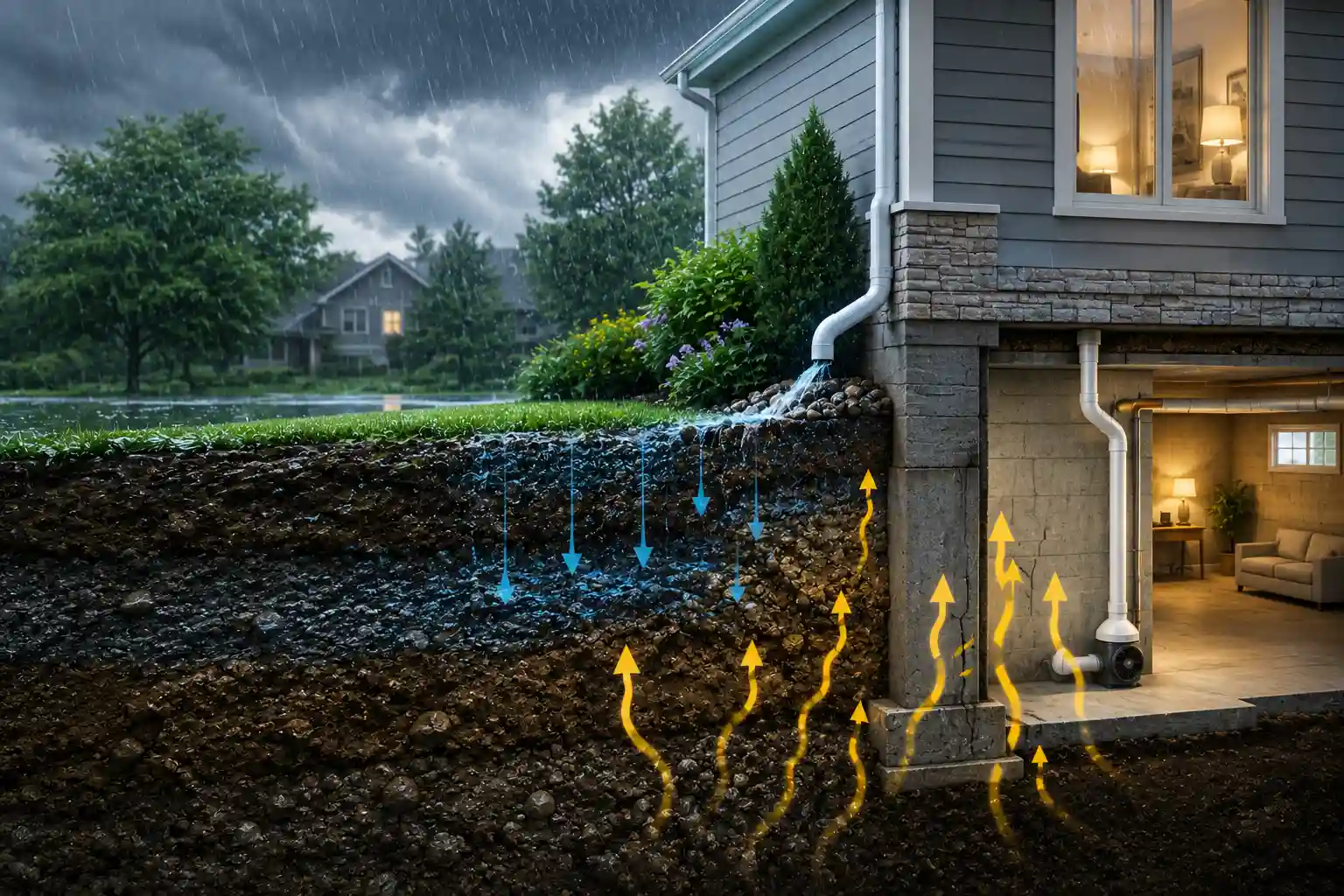
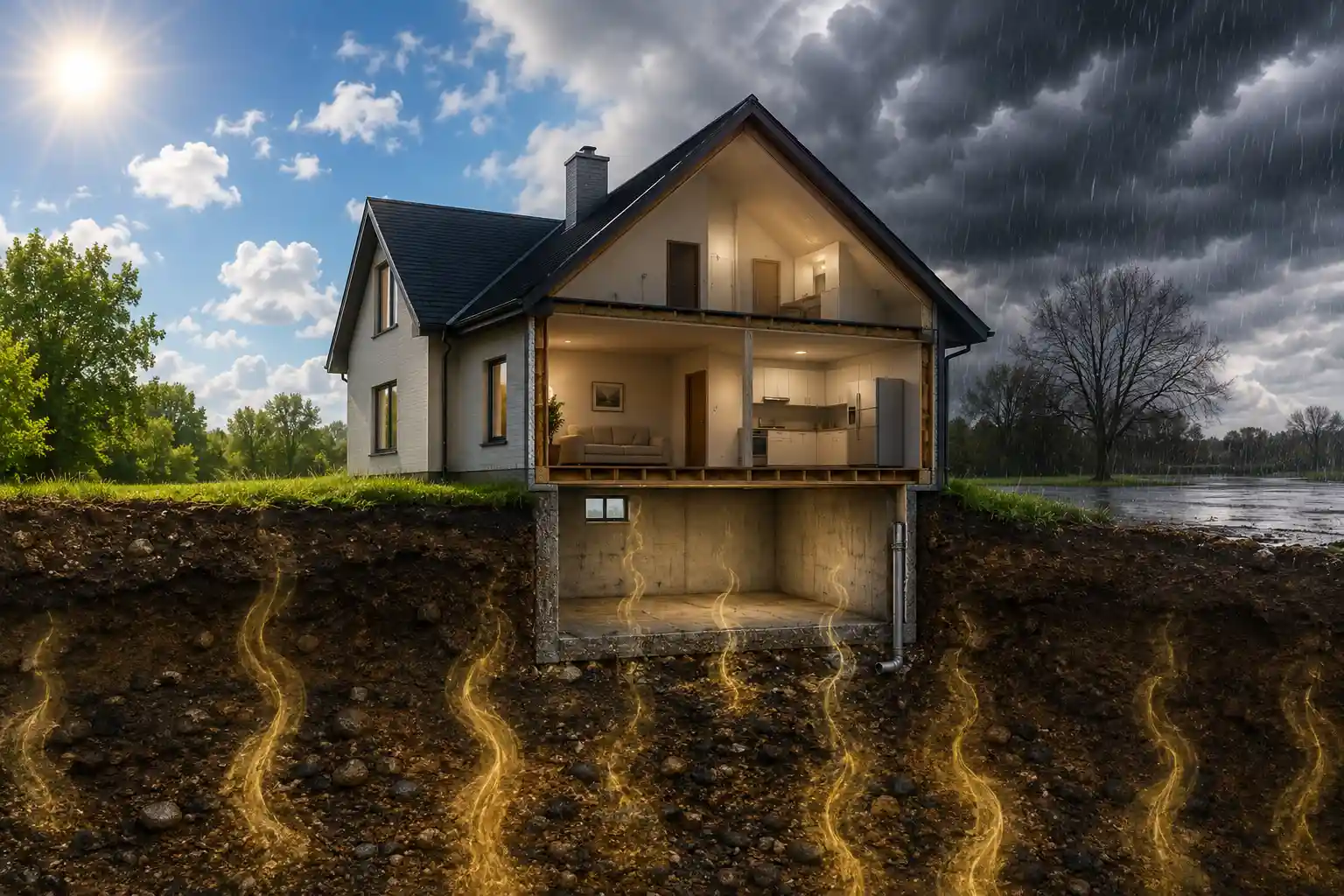
Radon is produced from the natural radioactive decay of uranium, which is found in all rocks and soils. This process releases gas that moves upward through the ground. Radon enters buildings primarily through cracks in foundations, gaps around pipes, sump pits, crawl spaces, or construction joints.
Radon can enter a home through cracks in the floors, at floor-wall junctions, gaps around pipes or cables, and small pores in hollow-block walls. Once radon enters indoor spaces, occupants can be exposed to elevated levels, increasing health risks such as lung cancer. Outdoor air typically contains much lower radon concentrations compared to indoor air, but indoor accumulation is the main concern.
Homes in Wisconsin are particularly susceptible because of regional geology and basement construction styles. Whether your property sits near Lake Michigan in Saint Francis or farther inland in New Berlin, soil gas movement does not stop at city lines.
Modern homes are not immune. In fact, tighter construction can trap more gas indoors.
You Cannot Detect Radon Without Testing
Radon does not trigger symptoms in the short term. You cannot see or smell radon, so testing is necessary to detect its presence. There is no irritation, no odor, and no immediate sign that levels are elevated. The only reliable way to know your exposure to radon is through measurement.
Homeowners often search for radon testing when buying or selling property. That is a good start, but testing should not be limited to real estate transactions. It is equally important for long term residents who have never checked their indoor air.
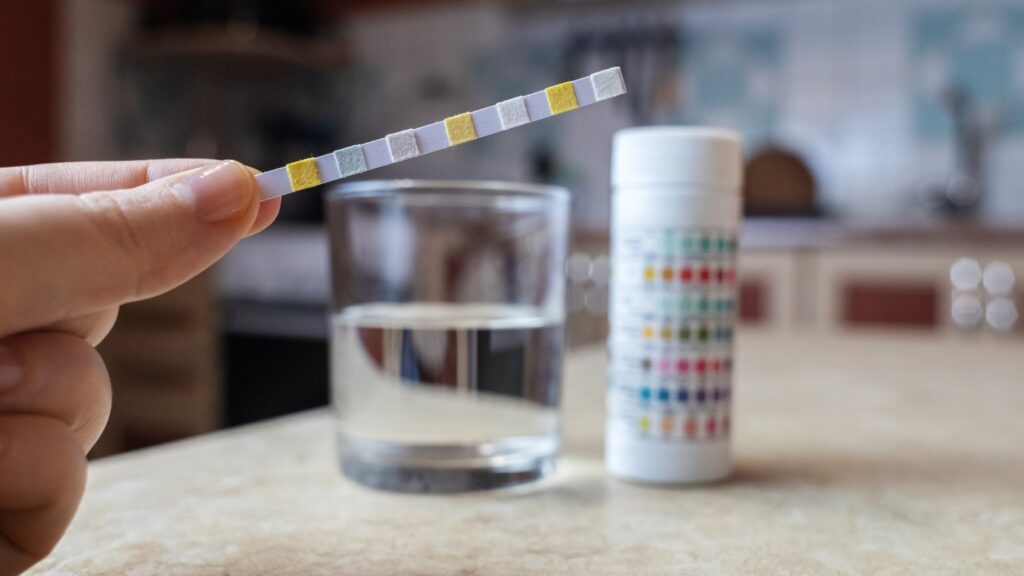
DIY radon test kits are available for purchase at hardware stores or through state radon offices, making it easier for anyone to test their home. Radon testing is now more accessible and affordable than ever.
Short term radon tests provide a quick snapshot. Long term radon tests offer a more accurate average over time. Both are valid tools when used correctly.
The EPA Action Level is 4.0 pCi L
The Environmental Protection Agency recommends action when indoor radon levels reach 4.0 picocuries per litre or higher, as high radon levels are associated with significant health risks.
This threshold is based on extensive health data showing that lung cancer increases with higher radon exposure, and the risk of lung cancer increases by about 16% per 100 Bq/m3 increase in long-term average radon concentration.
Levels of radon can vary substantially from 10 Bq/m3 to more than 10,000 Bq/m3 in buildings. However, there is no completely safe level. Even concentrations below 4.0 can pose risk over many years. Many homeowners in Oak Creek and Mequon choose to reduce levels even when readings fall between 2.0 and 4.0 for added peace of mind.
Testing results should always be interpreted by someone trained in radon measurement standards.
Radon Testing Should Follow Clear Protocols
Not all tests are equal. Placement, timing, and environmental conditions matter. Short-term radon tests last from 2 to 90 days, while long-term tests last for more than 90 days. It is preferable to estimate the annual mean concentration of radon in indoor air by measurements for at least 3 months to accurately assess radon risk.
However, short-term radon tests can be valuable for time-sensitive situations, such as home sales. Closed house conditions must be maintained during short term radon testing. Devices should be placed in the lowest livable area of the home, not in kitchens or bathrooms.
This is where professional radon testing services make a difference. A certified technician understands how airflow, weather, and home layout influence results. That accuracy protects both homeowners and buyers.
Choosing a qualified radon testing company ensures the data you receive reflects real exposure levels, not guesswork.
Understanding Radon Test Results
When you receive your radon test results, you’re looking at the concentration of radon gas in your indoor air, measured in picocuries per liter (pCi/L). Interpreting these results is crucial for understanding your risk of radon exposure and deciding on next steps.
The EPA recommends taking action to reduce radon if your test results show levels at or above 4.0 pCi/L. Short term radon tests can give you a quick snapshot of current radon levels, but because radon concentrations can fluctuate, long term radon testing provides a more accurate picture of your average exposure.
Digital detectors are also available for continuous monitoring, offering real-time updates on radon levels in your home. If your radon test results indicate elevated levels, it’s important to consult with a professional about mitigation options to reduce radon and protect your health.
Radon in Drinking Water
While most concerns about radon focus on indoor air, radon can also be present in drinking water, especially if your water comes from a private well or groundwater source. When water containing radon is used for showering or cooking, the gas can be released into the air, adding to indoor radon exposure.
Although the health risks from radon in drinking water are generally lower than those from breathing indoor radon, it’s still important to test your water if you rely on groundwater. The EPA recommends testing well water for radon and provides guidelines for reducing radon levels if they are found to be elevated.
Effective methods for reducing radon in drinking water include aeration systems and granular activated carbon filters, which can help lower the risk of radon exposure and protect your family’s health.
Mitigation Systems Are Proven and Effective
If your results exceed recommended levels, the solution is straightforward. Radon mitigation is important not only for new construction but also for existing homes, since current regulations often do not cover properties that are already built.
A qualified professional can install a radon mitigation system to vent the gas safely outside if high levels are detected. The most common method is active soil depressurization (also called active sub-slab depressurization), where a vent pipe and fan system draw soil gas from beneath the foundation and release it safely above the roofline to reduce radon risk.
Well-tested, durable, and cost-efficient methods exist for preventing radon in new buildings and reducing radon in existing dwellings. Passive systems of mitigation can reduce indoor radon levels by more than 50%.
When installed correctly, professional radon mitigation systems can reduce levels by up to 99 percent, and in most homes, radon levels can be mitigated to below 2 pCi/L. The process typically takes one day and does not require major structural changes.
Homeowners in New Berlin often ask whether mitigation affects heating or cooling efficiency. Properly designed systems have minimal impact on energy use and can be integrated cleanly with existing mechanical components.
Next Steps After Radon Mitigation
Once a radon mitigation system has been installed, your job isn’t quite finished. It’s essential to confirm that the system is effectively reducing radon exposure by conducting follow-up radon testing, as recommended by the EPA.
Regular maintenance and inspection of your radon mitigation system are also important, since changes in your home or foundation can affect its performance over time. The American Lung Association advises ongoing monitoring to ensure that radon levels remain low and your risk of lung cancer stays minimized. By staying proactive with testing and maintenance, you can protect your health and the health of your loved ones, ensuring that your mitigation system continues to provide peace of mind for years to come.
Radon Levels Can Change Over Time
A home that tested low five years ago is not guaranteed to remain low today. Soil conditions shift. Foundations settle. New windows and insulation alter pressure dynamics. Radon levels can typically be higher in homes built on slabs, basements, and crawl spaces.
Seasonal differences also matter. Radon levels tend to be higher during the winter months because homes are sealed and stack effect increases upward airflow from the basement.
Radon concentrations vary considerably between adjacent buildings, as well as within a building from day to day and from hour to hour. Radon levels can also vary significantly even within the same neighbourhood.
Retesting every two years, or after major renovations, is a practical approach. This is especially important in areas like Saint Francis and Oak Creek where weather patterns vary dramatically between seasons. Tip: Accurate digital radon detectors can provide reliable radon level readings after 30 days of continuous monitoring.
Radon Is a Health Issue, Not Just a Real Estate Issue
Too often, radon testing is treated as a closing checklist item. In reality, it is a long-term health decision. The health effects of radon are serious. Radon exposure can cause lung cancer by damaging the lungs after years of inhaling radioactive particles.
Radon emits alpha particles, which can damage the DNA inside lung cells when inhaled. As radon decays, it and its daughters release small bursts of energy. These small bursts can harm lung tissue and contribute to cancer development.
Smokers face a significantly higher risk, but non-smokers are not exempt. Radon is the leading cause of lung cancer in people who never smoke, and the second leading cause of lung cancer overall. Radon can accumulate in homes, buildings, and schools to dangerous levels, making regular testing essential to protect your health.
Thinking beyond property value and focusing on health reframes the conversation. Testing becomes part of routine home maintenance, similar to checking smoke alarms or servicing a furnace.
Local Expertise Matters
Radon behaviour varies by soil composition, foundation type, and construction practices. A mitigation approach that works in one region may need adjustment in another. National radon standards and guidelines, including national radon action plans, help ensure consistent and effective strategies for reducing radon exposure across the country.
In Milwaukee County and surrounding communities like Mequon and New Berlin, certified professionals understand regional building styles and code requirements. This local knowledge ensures systems are both effective and compliant.
The World Health Organization (WHO) promotes the implementation of radon standards to reduce health risks from residential radon exposure. Additionally, WHO guidelines recommend that screening levels for radon in drinking water be set based on the national reference level for radon in air.
Milwaukee Radon Mitigation has worked with homeowners across these communities, combining testing accuracy with practical system design. For questions or to schedule service, call 414-455-7279.
Common Misconceptions About Radon
Some homeowners believe newer homes are safe. Others assume that opening windows solves the issue. Temporary ventilation might reduce levels briefly, but it does not address the source.
A common misconception is that radon is rare, but it is actually commonly found in homes across many regions, not just in certain areas. Additionally, radon levels can vary significantly even within the same neighbourhood, making individual testing crucial.
Another misconception is that concrete blocks all have gas. In reality, radon can pass through porous materials and enter through tiny openings that are not visible to the eye.
Understanding these details prevents costly delays and reduces unnecessary exposure.
How Radon Testing Fits Into Homeownership
For new buyers, testing is a negotiation tool and a health safeguard. For long-term owners, it is an investment in indoor air quality. For landlords, it demonstrates responsibility to tenants.
The process is simple. A certified technician places a testing device. After the required exposure period, results are analyzed and explained clearly. If mitigation is needed, a design plan is created based on your foundation type and layout.
Searching for radon testing services early, rather than after a concern arises, keeps you ahead of potential risk.
Will mitigation lower my home value?
In most cases, documented mitigation increases buyer confidence. A properly installed system shows the issue has been addressed professionally.
Do I need testing if my neighbour already tested?
Yes. Radon levels can vary significantly between adjacent homes due to foundation differences and soil conditions. Each property must be tested individually.
Is radon only a basement problem?
Levels are usually highest in basements because they are closest to soil contact. However, gas can move upward into living spaces, especially in homes with strong stack effect.
Can I install a radon mitigation system myself?
DIY kits exist, but system design requires understanding pressure differentials and venting standards. Improper installation may fail to reduce levels and could create back drafting issues.
How often should I test my home for radon?
Every two years is a reasonable schedule, or sooner if you complete renovations that affect airflow. Retesting also makes sense after installing a mitigation system to confirm performance.
Conclusion
Radon is invisible, but the science behind it is clear. It originates in soil, enters through foundations, and increases lung cancer risk over time. Radon indoors can accumulate to dangerous levels, so testing your home is crucial to protect your family.
Radon gas can move into water or air and is present outdoors at very low levels, but it poses the greatest risk when trapped inside buildings. Testing is the only way to measure exposure, and mitigation systems are highly effective when installed correctly.
Radon levels can vary significantly even within the same neighborhood, making individual home testing essential.
Homeowners in Saint Francis, Oak Creek, New Berlin, and Mequon benefit from taking a proactive approach. Regular testing, accurate interpretation, and professional system design transform uncertainty into control.
Understanding these eight essential points equips you to make informed decisions. When indoor air quality becomes a priority, radon stops being an unknown and becomes a manageable part of responsible homeownership.