
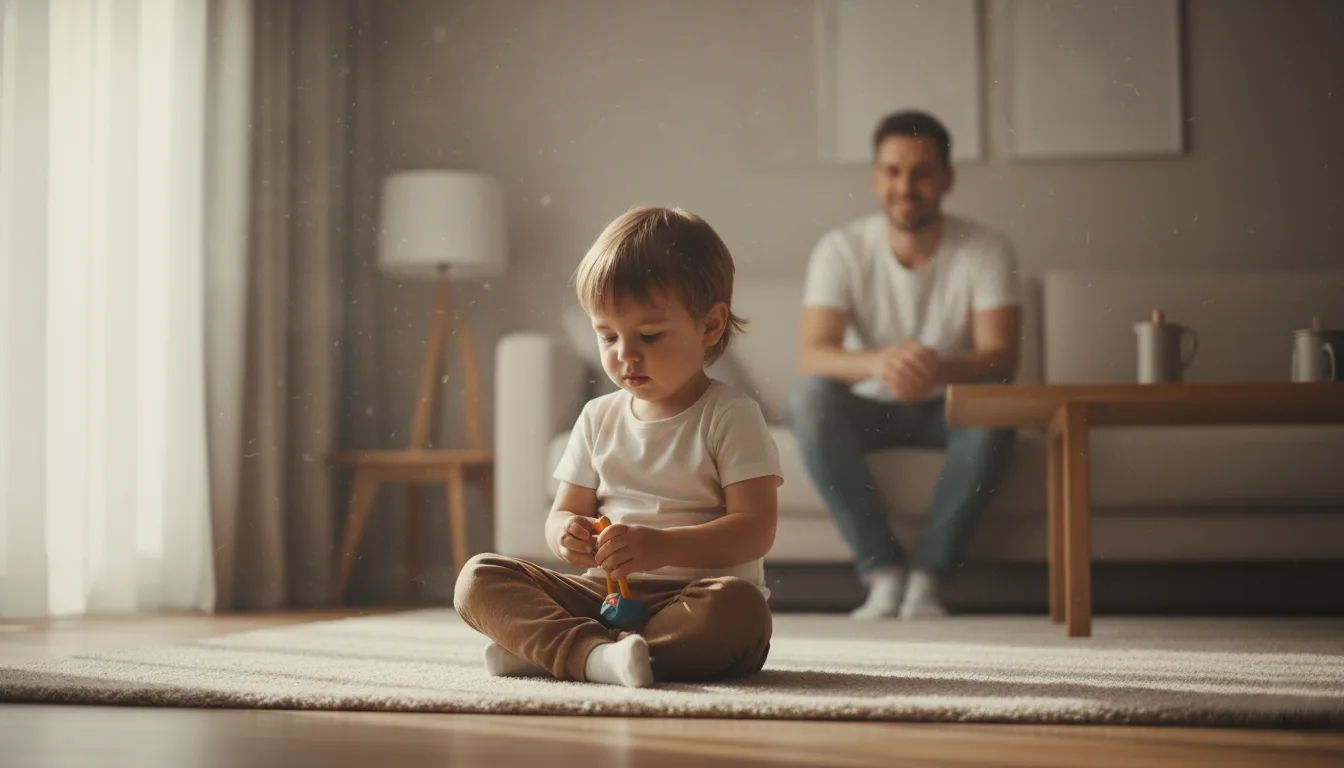
Children face up to twice the Radon Exposure risk as adults from radon exposure. Their faster breathing rates, smaller lungs, and rapidly dividing cells make them highly vulnerable to radioactive decay, which damages tissue and increases the risk of developing lung cancer later in life.
Because children spend significant time indoors, they are uniquely at risk when living in areas with high indoor radon levels.
Table of Contents
Why Radon Exposure Is Especially Dangerous for Children
Radon Exposure seeps into homes from decaying uranium in soil and rock. It’s invisible, odorless, and radioactive, which means a family can live with dangerous concentrations for years without knowing it.
Children face higher risk from radon exposure for several biological reasons:
- Faster breathing rate. Kids inhale more air per pound of body weight than adults, pulling in more radon gas and radioactive decay particles.
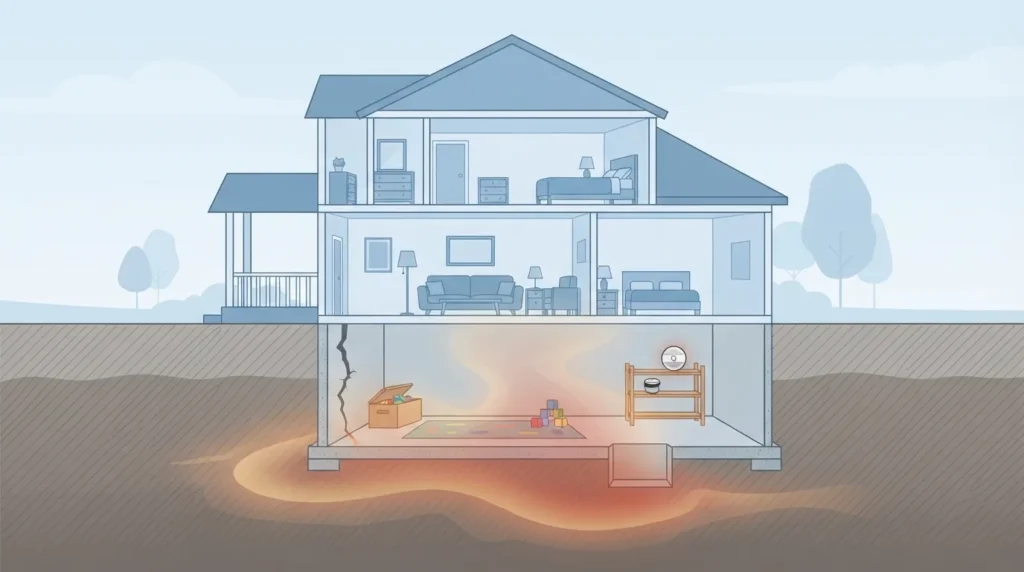
- More time at floor level. Radon is denser than air and settles in basements and lower floors, where children play, crawl, and sleep.
- Developing lung tissue. A child’s lungs are still growing, and lung cells are more sensitive to radiation damage during this stage.
- Longer lifetime exposure window. A child exposed early has more decades for radiation-induced cell mutations to progress into cancer.
The World Health Organization and the EPA both identify radon as a top environmental cancer risk, and children are considered a sensitive population in every major radon health study.
Key health consequences and risk factors for children include:
- Higher Radiation Dose: Kids breathe faster and inhale a higher volume of air relative to their body size, resulting in a significantly higher radiation dose to their lungs.
- Tissue Sensitivity: Rapidly growing cells in immature lungs are much more susceptible to cell mutations and long-term damage.
- Elevated Asthma Symptoms: Recent research links childhood residential radon exposure to an increase in asthma symptoms.
- Long-Term Cancer Risk: Radon Exposure during childhood creates a longer lifetime window for radiation-induced effects, potentially triggering lung cancer at a much younger age (even in a person’s 20s or 30s).
How Radon Enters Homes in Whitefish Bay, Wauwatosa, West Allis, and South Milwaukee
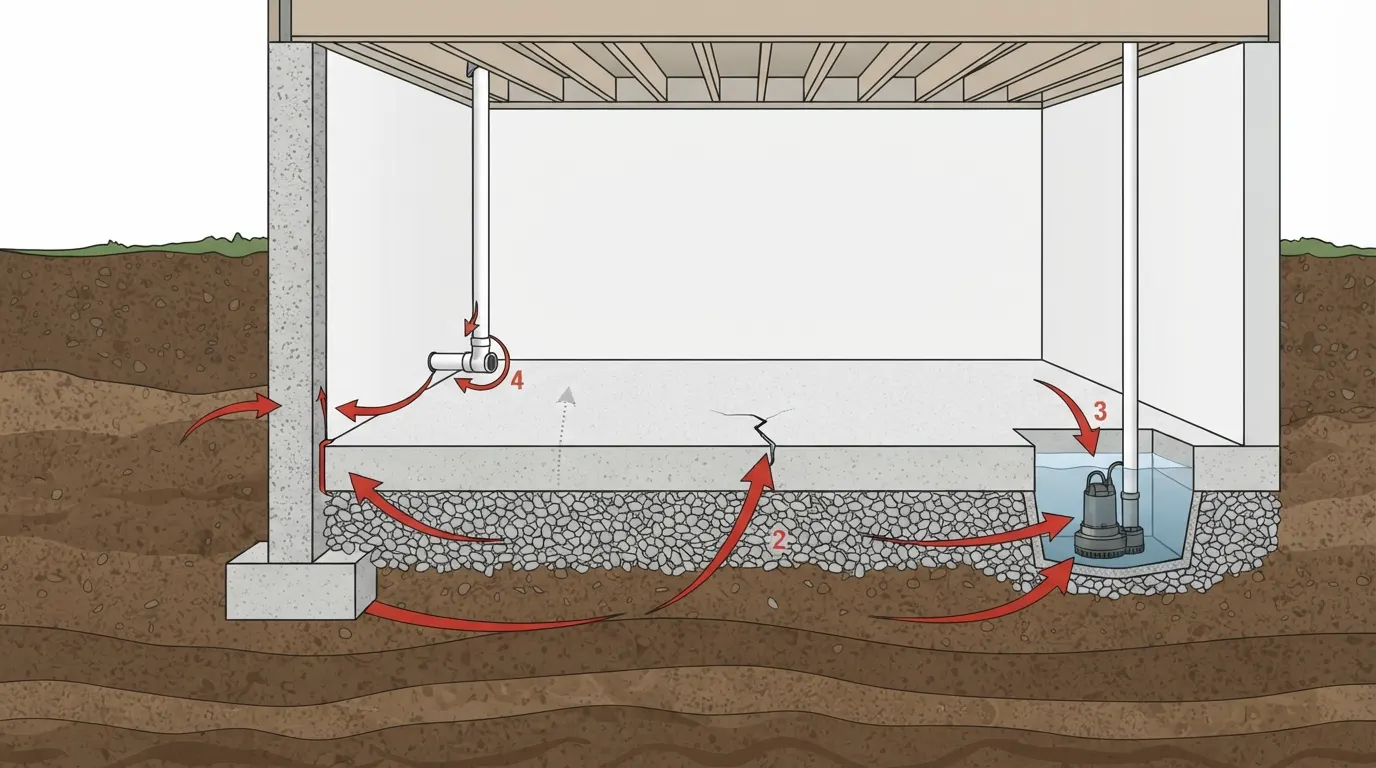
Wisconsin sits in an area with naturally high uranium content in its bedrock and glacial soil, which is why homes in Whitefish Bay, Wauwatosa, West Allis, and South Milwaukee frequently test above the EPA action level of 4.0 pCi/L. Radon typically enters through:
- Cracks in the foundation slab
- Sump pump openings
- Gaps around pipes and utility penetrations
- Exposed dirt floors in crawl spaces
- Well water in homes with private wells
Older homes with unfinished basements common throughout these Milwaukee-area suburbs are particularly vulnerable because children’s playrooms and family rooms are often built in these lower-level spaces.
What Does Radon Do to a Child’s Body?
Radon itself doesn’t cause immediate symptoms. The gas decays into radioactive particles called radon progeny, which attach to dust and get inhaled deep into the lungs. There, they emit alpha radiation that damages lung cell DNA.
Over years, this damage can lead to:
- Increased lifetime lung cancer risk
- Chronic respiratory irritation with prolonged high exposure
- Compounded risk if the child is ever exposed to secondhand smoke
There is no safe threshold for radiation exposure, but risk increases with both concentration (measured in picocuries per liter, or pCi/L) and duration of exposure.
What Radon Level Is Dangerous for Kids?
The EPA action level is 4.0 pCi/L. At or above this level, the EPA and most state radon programs recommend mitigation. However, the EPA is clear that no level of radon is completely risk-free even readings between 2.0 and 4.0 pCi/L carry measurable cancer risk and may warrant mitigation, especially in a home with children.
| Radon Level | EPA Guidance |
|---|---|
| Below 2.0 pCi/L | Lower risk; retest periodically |
| 2.0–4.0 pCi/L | Consider mitigation, especially with children in the home |
| 4.0 pCi/L and above | EPA action level mitigation recommended |
Signs Your Child May Be Living With High Radon (and Why You Can’t Rely on Symptoms)
Radon causes no immediate symptoms in children or adults. You cannot smell it, see it, or feel it. Parents sometimes confuse radon-related respiratory irritation with allergies or colds, but there is no reliable way to detect radon by symptoms alone. Testing is the only way to know whether radon is a concern in your home.
The only accurate way to know your child’s exposure level is a certified radon test, either a short-term test kit or continuous digital monitor placed in the lowest livable level of the home.
How to Protect Children From Radon Exposure
1. Test Every Home, Every Time
Every home should be tested for radon regardless of age, foundation type, or neighborhood. This is especially critical when buying or renting a home with young children. Our guide on how radon testing works and why it matters for your home walks through the full process.
2. Test the Rooms Kids Use Most
Basements, playrooms, and bedrooms on lower levels should be prioritized in testing, since radon concentrates closest to the ground.
3. Retest After Any Structural Change
Foundation repairs, new additions, or HVAC changes can alter airflow and radon levels. Retest after any of these changes.
4. Install a Radon Mitigation System if Levels Are High
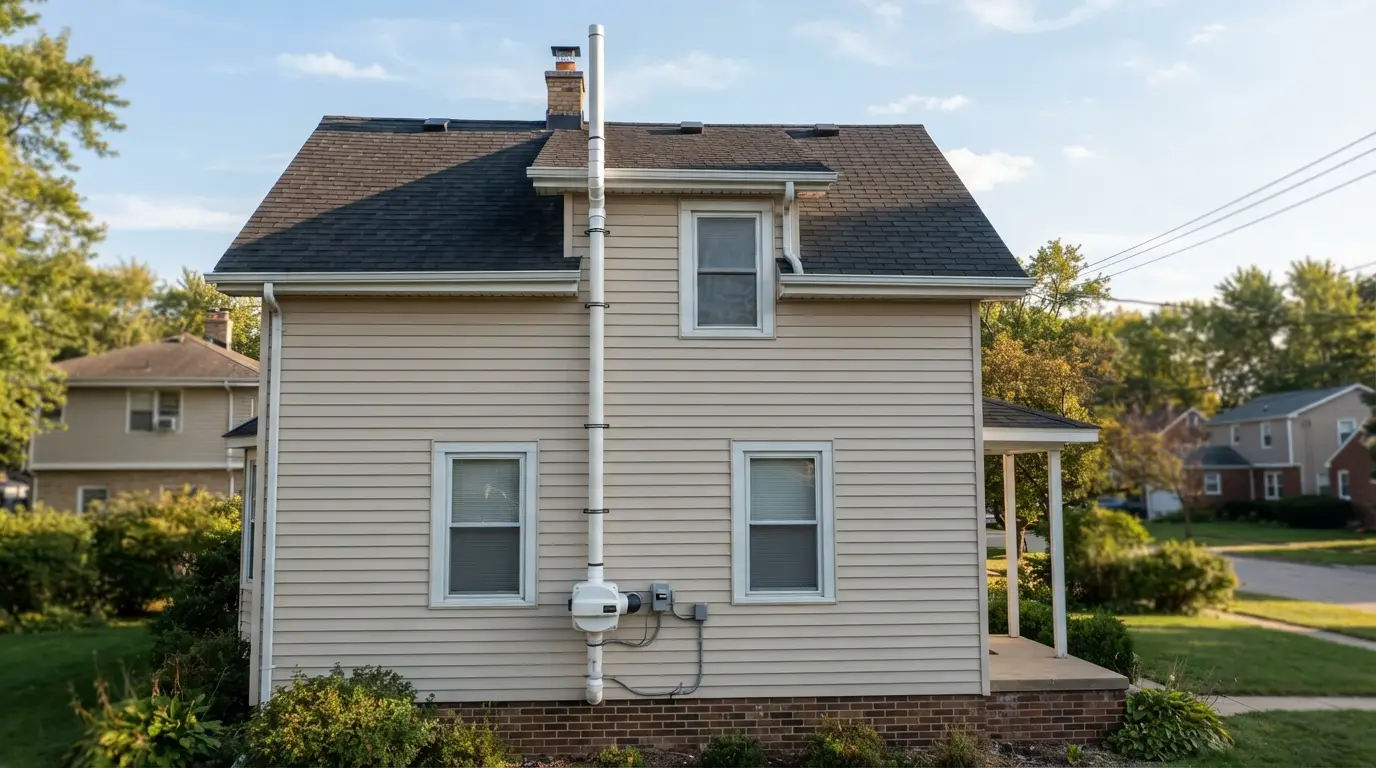
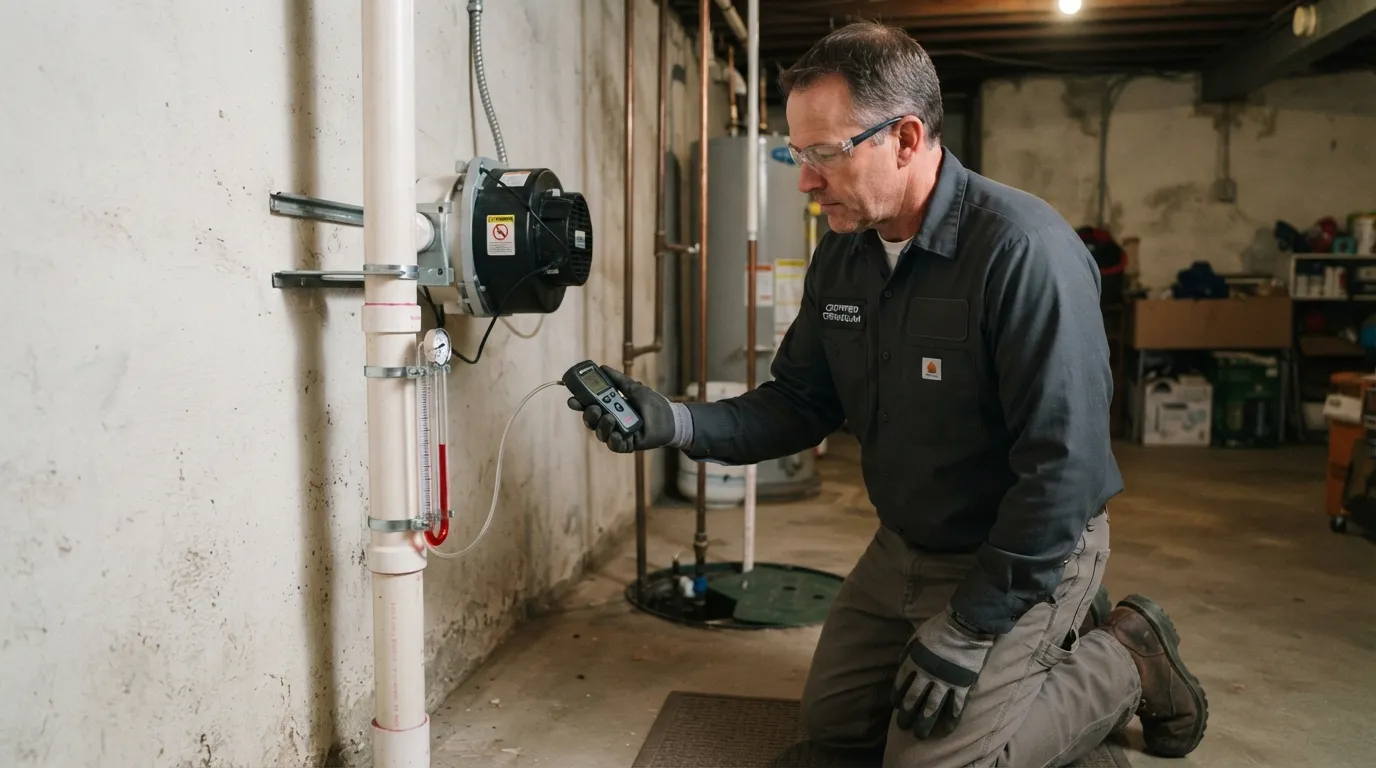
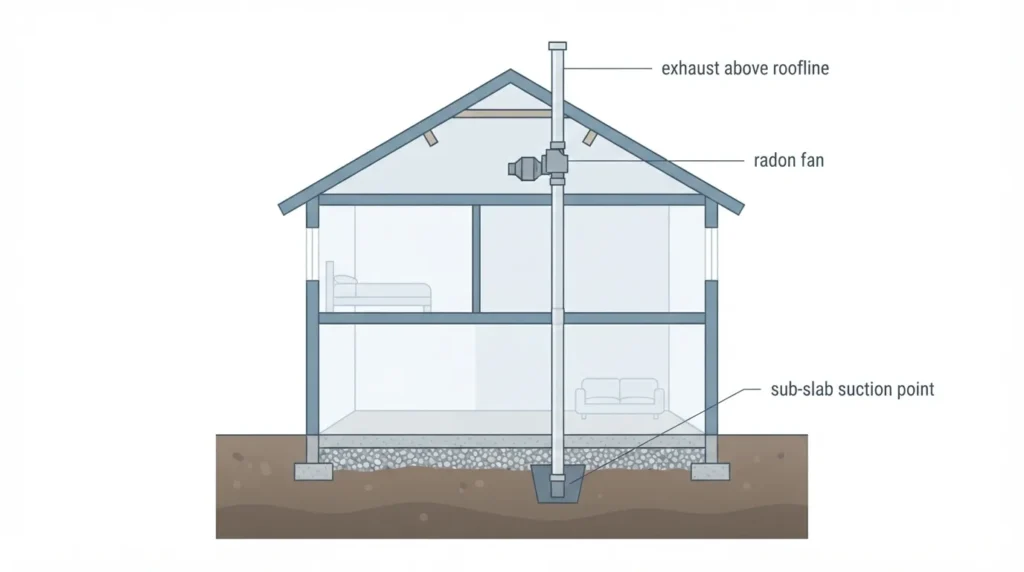
If your test result is 4.0 pCi/L or above, install a mitigation system. Sub-slab depressurization is the most common and effective method a radon fan draws gas from beneath the foundation and vents it safely above the roofline before it can enter living spaces.
5. Hire a Certified Radon Professional
Mitigation should always be installed by a technician certified through the National Radon Proficiency Program (NRPP) or the National Radon Safety Board (NRSB). Improperly installed systems can fail to reduce radon or create new safety hazards.
6. Retest After Mitigation
A follow-up test confirms the system brought radon levels below 4.0 pCi/L. Systems should also be inspected annually see why annual radon system inspections are critical for a maintenance schedule.
Radon and Well Water in Homes With Children
Families in South Milwaukee and surrounding suburbs on private wells face an added radon pathway: well water. Radon dissolved in water is released into the air during showers, dishwashing, and laundry.
Frequently Asked Questions
Is radon more dangerous for children than adults?
Yes. Children breathe faster relative to body size, spend more time near the floor where radon concentrates, and have developing lung tissue that is more sensitive to radiation damage.
What radon level is considered unsafe for a child’s bedroom or playroom?
The EPA action level is 4.0 pCi/L. In homes with children, many radon professionals recommend mitigation consideration starting at 2.0 pCi/L due to the added sensitivity of young lungs.
Can radon exposure cause immediate symptoms in kids?
No. Radon causes no immediate symptoms. Health effects, primarily increased lung cancer risk, develop over years of exposure. Testing is the only way to detect it.
How long does it take for radon to affect a child’s health?
Radon-related lung cancer risk develops from cumulative, long-term exposure, typically over years, not days or weeks. The earlier exposure begins, the greater the lifetime risk.
How often should I retest for radon if I have children at home?
Test every two years, after any foundation or HVAC work, and immediately after moving into a new home. Homes with an installed mitigation system should be retested every two years and inspected annually.
Protect Your Family Today
No level of radon exposure is worth the risk to a child’s developing lungs. If you live in Whitefish Bay, Wauwatosa, West Allis, South Milwaukee, or the surrounding area, Milwaukee Radon Mitigation provides certified radon testing and mitigation designed to protect the people who need it most.
Call (414) 455-7279 to schedule a radon test or mitigation consultation today.
Conclusion
Radon exposure is a hidden risk that deserves serious attention, especially for families with children. While it cannot be seen or smelled, its impact on long term health is well documented. Children are more vulnerable due to their developing bodies and longer lifetime exposure potential.
The good news is that radon is manageable. Through proper testing, understanding how Vapor Intrusion affects your home, and installing or maintaining effective mitigation systems, parents can significantly reduce risk. Taking action today helps protect your children not just now but for decades to come.
A safe home is not only about what you can see. It is also about addressing what you cannot. When it comes to radon, informed parents have the power to make their homes healthier places for children to grow and thrive.