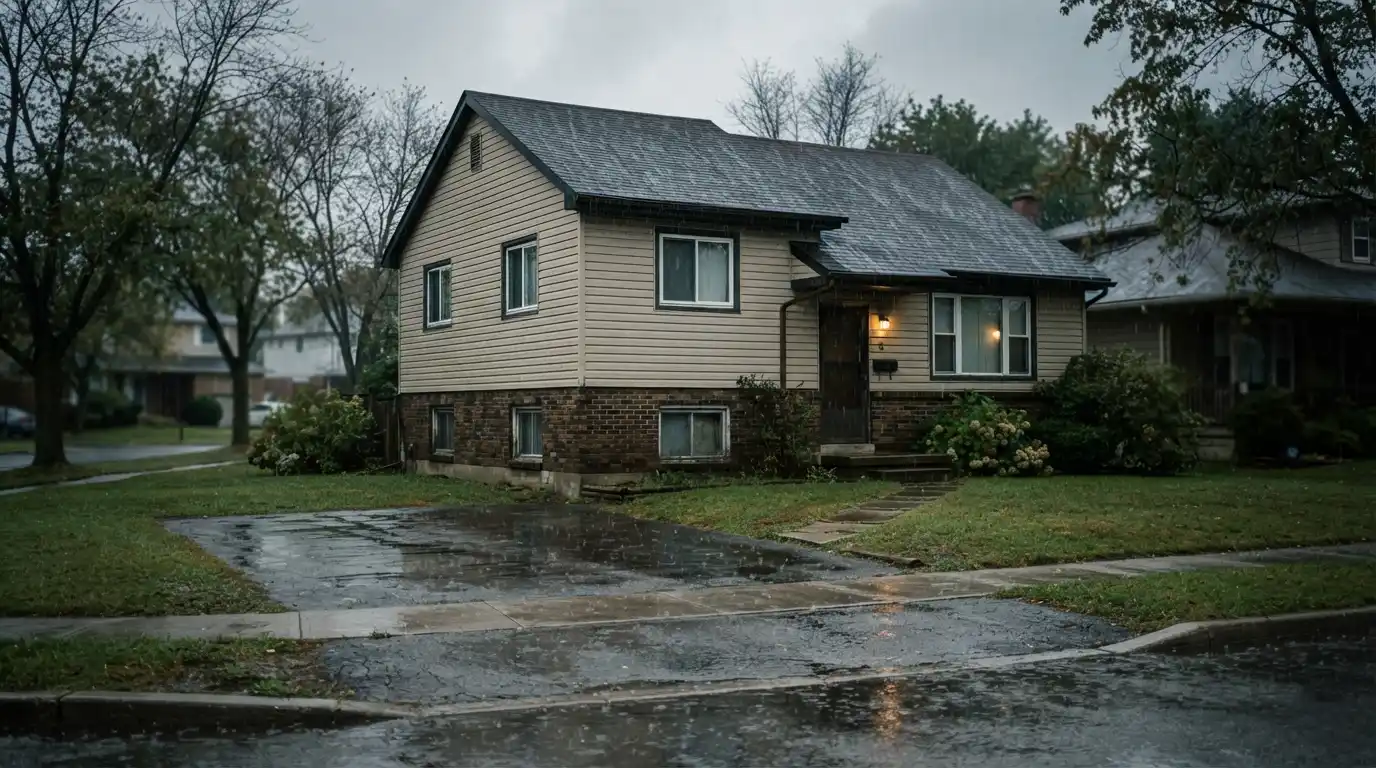

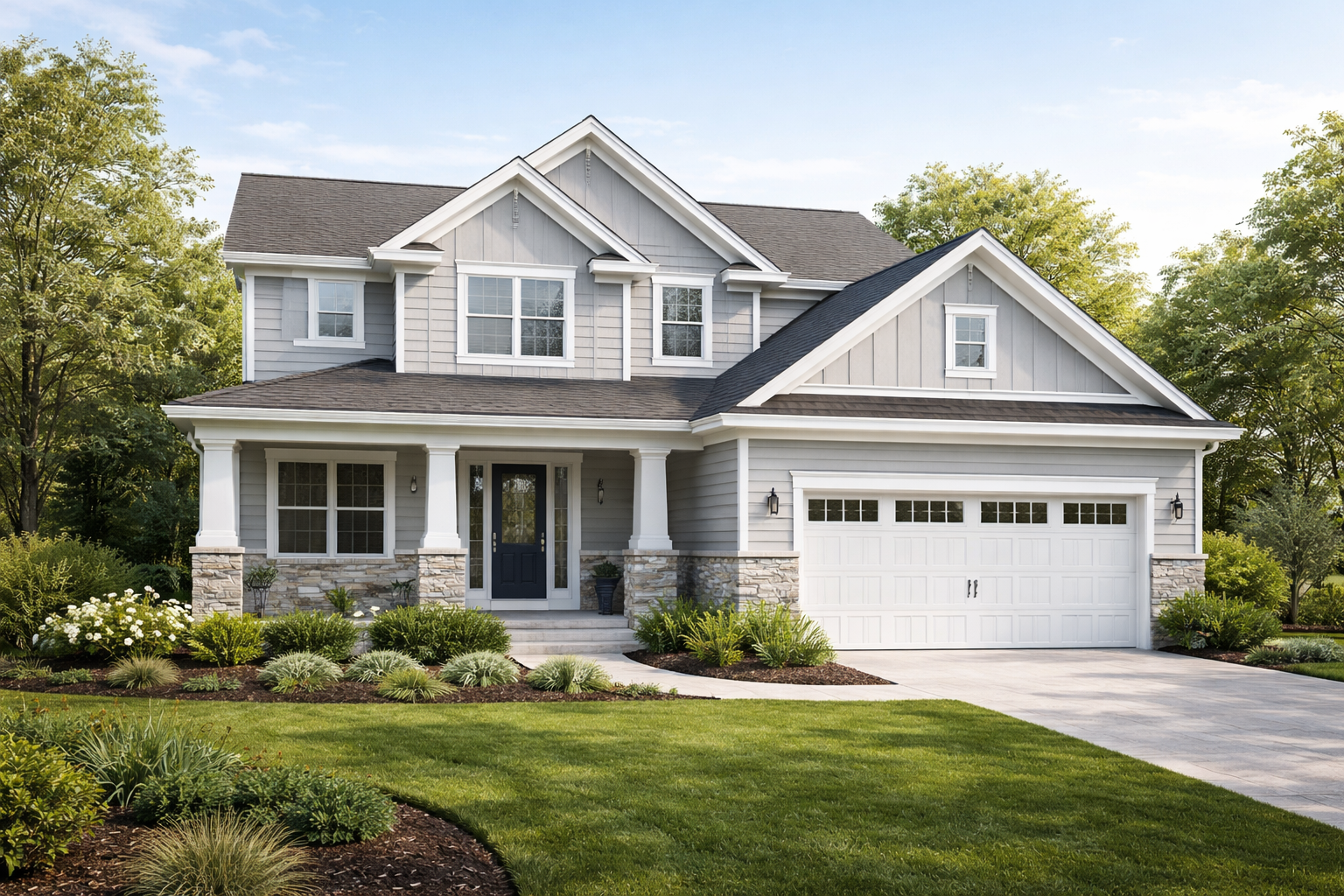
Radon resistant solutions for new home construction are building methods installed during construction that prevent radon gas from entering the home through the foundation. These systems typically include a gravel layer, vapor barrier, sealed slab, and vent pipe, with optional fan activation if needed.
When radon protection is planned during construction it is simpler cleaner and far more cost effective than fixing the problem after a home is finished.
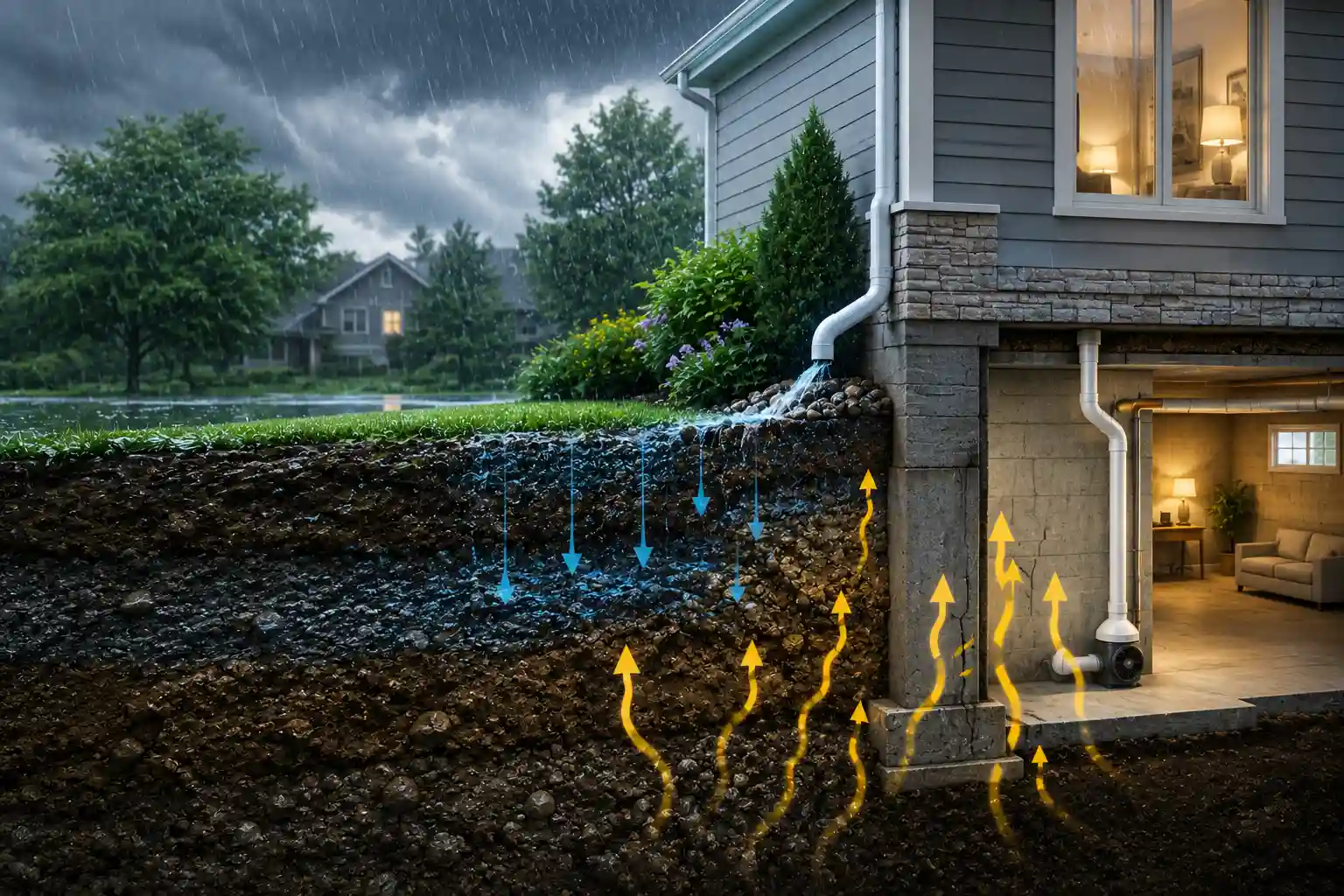
Radon enters homes through foundation cracks, slab joints, sump pits, and utility penetrations. New homes are not immune, especially because modern construction creates tighter building envelopes that trap gases indoors.
In Wisconsin, radon risk varies by soil and geology, but testing data shows that many new homes exceed recommended action levels without mitigation.
This is why radon inspection Milwaukee services recommend testing all new homes, even when radon resistant features are installed.
Table of Contents
Best Radon Resistant Solutions for New Home Construction
- Sub slab gravel layer for soil gas movement
- Plastic vapor barrier to block radon entry
- Sealed slab joints and pipe penetrations
- Passive radon vent pipe routed above the roof
- Optional radon fan for active mitigation
Is Radon Resistant New Construction Worth It
Yes. Installing radon resistant features during construction costs less, performs better, and avoids structural disruption later. In areas with elevated Milwaukee Wisconsin radon levels, it is considered a best practice rather than an optional upgrade.
Why Radon Matters in New Home Construction
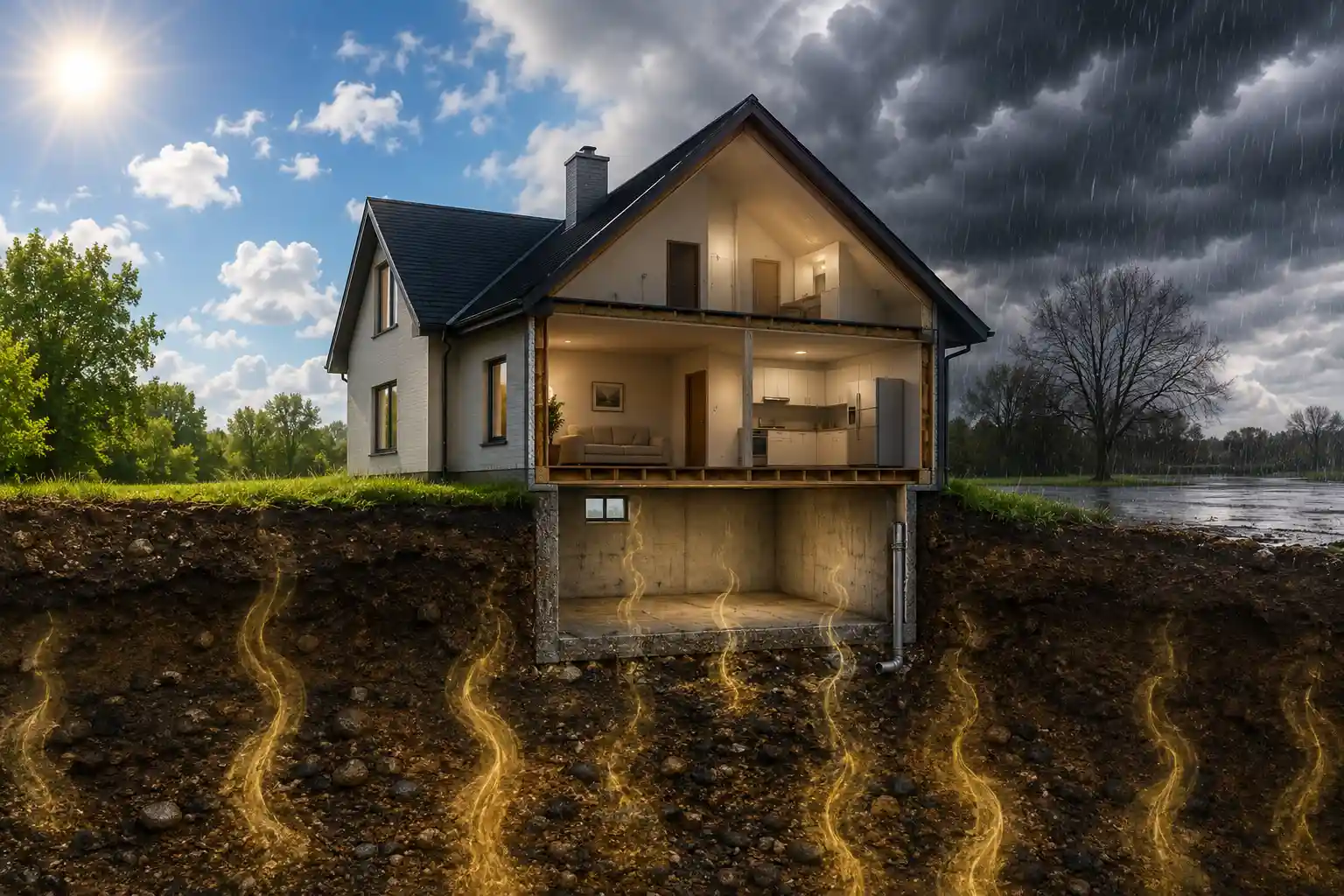
Radon forms naturally from the breakdown of uranium in soil and rock. It moves upward through the ground and enters buildings through cracks joints sump pits and porous concrete. New homes are not immune. In fact modern construction practices often make radon issues worse.
Tighter building envelopes energy efficient windows sealed basements and advanced insulation all reduce natural air exchange. That is great for heating bills but it allows radon gas to accumulate faster indoors.
According to data on Milwaukee Wisconsin radon levels many counties in south-eastern Wisconsin fall into high risk zones where indoor radon frequently exceeds recommended action levels. That makes radon planning not just a nice to have but a smart construction decision.
What Radon Resistant New Construction Actually Means
Radon Resistant New Construction refers to a set of building techniques installed during construction that reduce the entry and buildup of radon gas. These systems are passive by default but can be upgraded to active systems later if needed.
The key advantage is integration. Instead of drilling through finished slabs and routing pipes through living spaces everything is placed before concrete is poured and walls are closed.
A proper radon resistant build usually includes several components working together rather than a single fix.
Sub Slab Gravel Layer Foundation of Radon Control
The most basic and essential component is a gas permeable layer beneath the concrete slab. This is typically a four to six inch layer of clean coarse gravel.
The purpose is simple. Radon gas moves more easily through gravel than compacted soil. This allows the gas to be collected and directed away from the home rather than pushing up through the slab.
This layer also improves moisture drainage which is an added bonus for foundation durability.
Typical cost during construction
Included in standard foundation prep or adds roughly $300 to $600 depending on site conditions.
Soil Gas Retarder or Vapor Barrier
Above the gravel layer a heavy duty plastic sheeting is installed. This membrane acts as a barrier that slows radon gas from entering the slab area.
The key here is quality and installation. Thin plastic or poorly sealed seams reduce effectiveness. A proper vapor barrier should be continuous sealed at seams and wrapped around penetrations.
When done correctly this layer significantly reduces radon entry and also helps control moisture.
Typical cost during construction
$200 to $500 depending on material quality and square footage.
Sealing and Caulking Entry Points
Even the best sub slab system fails if radon can bypass it through openings. During construction all slab joints control joints pipe penetrations and foundation cracks should be sealed with appropriate polyurethane or elastomeric sealants.
This step is often rushed or skipped but it is one of the most cost effective defenses against radon.
Sealing also improves overall air quality and energy efficiency.
Typical cost during construction
$150 to $400.
Passive Radon Vent Pipe System
This is where radon resistant construction becomes truly effective. A passive vent pipe is installed from beneath the slab and routed vertically through the structure exiting above the roofline.
The pipe creates a natural pathway for radon gas to rise and exit the home before entering living spaces. Even without a fan this can significantly reduce radon levels.
Proper routing is critical. Straight vertical runs perform better than systems with multiple bends.
Typical cost during construction
$400 to $800.
Electrical Junction for Future Fan Activation
One of the smartest low cost additions is pre wiring an electrical junction near the vent pipe in the attic. This allows easy conversion from a passive system to an active one by adding a fan later.
If post construction testing shows elevated radon levels a fan can be installed without major disruption.
This future proofing step costs little and saves hundreds later.
Typical cost during construction
$75 to $150.
Active Radon Mitigation Systems in New Builds
In higher risk areas like southeastern Wisconsin many builders choose to install an active system from the start. This adds an inline radon fan to the vent pipe to actively pull gas from beneath the slab.
An active system provides consistent and measurable radon reduction regardless of weather or soil conditions.
This approach often eliminates the need for later Radon System Repair & Fan Replacement upgrades because the system is already optimized.
Typical cost during construction
$900 to $1500.
Comparing New Construction Systems vs Retrofit Systems
Homeowners often ask whether it is better to wait and see or install radon protection during construction. The numbers tell the story.
Retrofitting an existing home usually involves drilling the slab routing pipes through finished areas and installing a fan after the fact. That is why cheap radon mitigation Milwaukee options rarely apply to finished homes.
Average retrofit costs in Wisconsin
$1200 to $2500 depending on layout.
Average new construction radon resistant costs
$600 to $1500 depending on whether the system is passive or active.
The difference is not just cost. New construction systems are cleaner quieter and more effective long term.
Radon Testing After Construction Why It Still Matters
Even the best systems should be verified. Radon testing Wisconsin protocols recommend testing all new homes after occupancy regardless of whether radon resistant features were installed.
Testing confirms system performance and identifies whether fan activation is needed.
A short term test placed in the lowest livable level of the home provides reliable results within days.
If elevated levels are detected activating the system or upgrading components is straightforward when the infrastructure is already in place.
Understanding Milwaukee Wisconsin Radon Levels
Radon risk is regional. Soil composition bedrock depth and construction practices all influence indoor radon levels.
In Milwaukee and surrounding counties many homes test above the EPA recommended action level. New developments are not exempt.
This regional reality is why builders and homeowners increasingly include radon planning as standard practice rather than an upgrade.
Long Term Maintenance and Fan Replacement
Radon systems are low maintenance but not maintenance free. Fans typically last five to ten years. When they fail radon levels can rise without obvious warning.
Planning for eventual Radon System Repair & Fan Replacement is part of responsible ownership.
In new construction systems fan replacement is usually quick and inexpensive because access and wiring were planned from the start.
Typical fan replacement cost
$300 to $600 installed.
How Radon Inspection Fits Into New Builds
A professional radon inspection Milwaukee service does more than just test air levels. Inspectors verify system design pipe routing fan performance and sealing quality.
For new homes this inspection provides peace of mind and documentation that the home was built with health and safety in mind.
This is especially valuable for resale as buyers are increasingly radon aware.
Cost Summary for Radon Resistant New Construction
Here is a realistic breakdown homeowners can expect.
Basic passive system
$600 to $900
Passive system with future fan wiring
$700 to $1050
Full active system installed during construction
$900 to $1500
Testing after construction
$150 to $250
These numbers are far lower than post build mitigation and dramatically reduce future health risks.
Is Radon Protection Worth It If Levels Are Unknown
Yes. Radon levels cannot be predicted accurately without testing and soil conditions can vary from lot to lot even within the same subdivision.
Installing radon resistant features during construction is a low cost insurance policy. If radon levels are low the system remains passive. If levels are high activation is simple.
Waiting almost always costs more.
When to Call a Local Expert
If you are building in Wisconsin it is wise to consult a local radon professional during planning. They understand soil conditions code requirements and best practices for the area.
For homeowners and builders in Milwaukee professional guidance is available by calling 414 455 7279 to discuss design options testing and cost estimates tailored to your project.
Frequently Asked Questions
What is the best radon resistant solution for a new home?
The best radon resistant solution combines a gravel sub slab layer, sealed vapor barrier, passive vent pipe, and optional fan activation. This system prevents radon buildup and allows easy upgrades if testing shows elevated levels.
Do new homes still need radon testing?
Yes. All new homes should be tested after occupancy to confirm system performance. Radon testing Wisconsin guidelines recommend testing regardless of construction method.
Can a passive radon system be upgraded later?
Yes. Passive systems can be converted to active systems by adding a fan if radon levels remain high. This is why pre wiring during construction is strongly recommended.
How long do radon mitigation fans last?
Yes. Passive systems can be converted to active systems by adding a fan if radon levels remain high. This is why pre wiring during construction is strongly recommended.
Is radon mitigation required in Wisconsin?
Radon mitigation is not always required by code, but in high risk areas it is strongly recommended. Many builders now include Radon Resistant New Construction as a standard feature.
Conclusion
Radon resistant solutions are not an upgrade reserved for luxury builds. They are a practical and affordable part of responsible new home construction especially in Wisconsin. By integrating gravel layers vapor barriers sealed slabs and venting systems during construction homeowners avoid costly retrofits and reduce long term health risks.
The smartest approach is proactive. Install the infrastructure early test after occupancy and activate the system only if needed. This strategy delivers protection flexibility and cost control.
If you are planning a new build or evaluating options for Radon Resistant New Construction speaking with a local expert early in the process can save money and simplify decisions later. For guidance tailored to Milwaukee area conditions call 414 455 7279 and build with confidence from the ground up.