
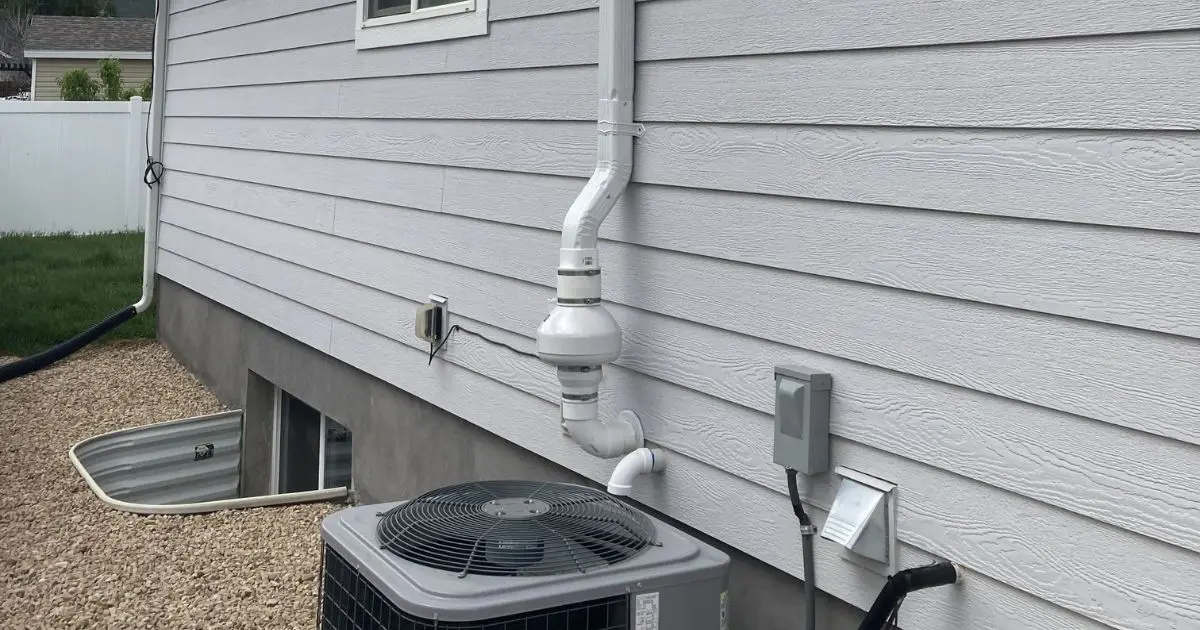
Consider radon fan replacement when your current fan is no longer effectively reducing radon levels, is making unusual noise, has reached the end of its service life, or fails completely. In most homes, a radon fan lasts between five and ten years, but performance matters more than age. If your radon readings are rising again or your system sounds different than it used to, your fan may be telling you it is time.
Table of Contents
Why the Radon Fan Is the Heart of Your Mitigation System
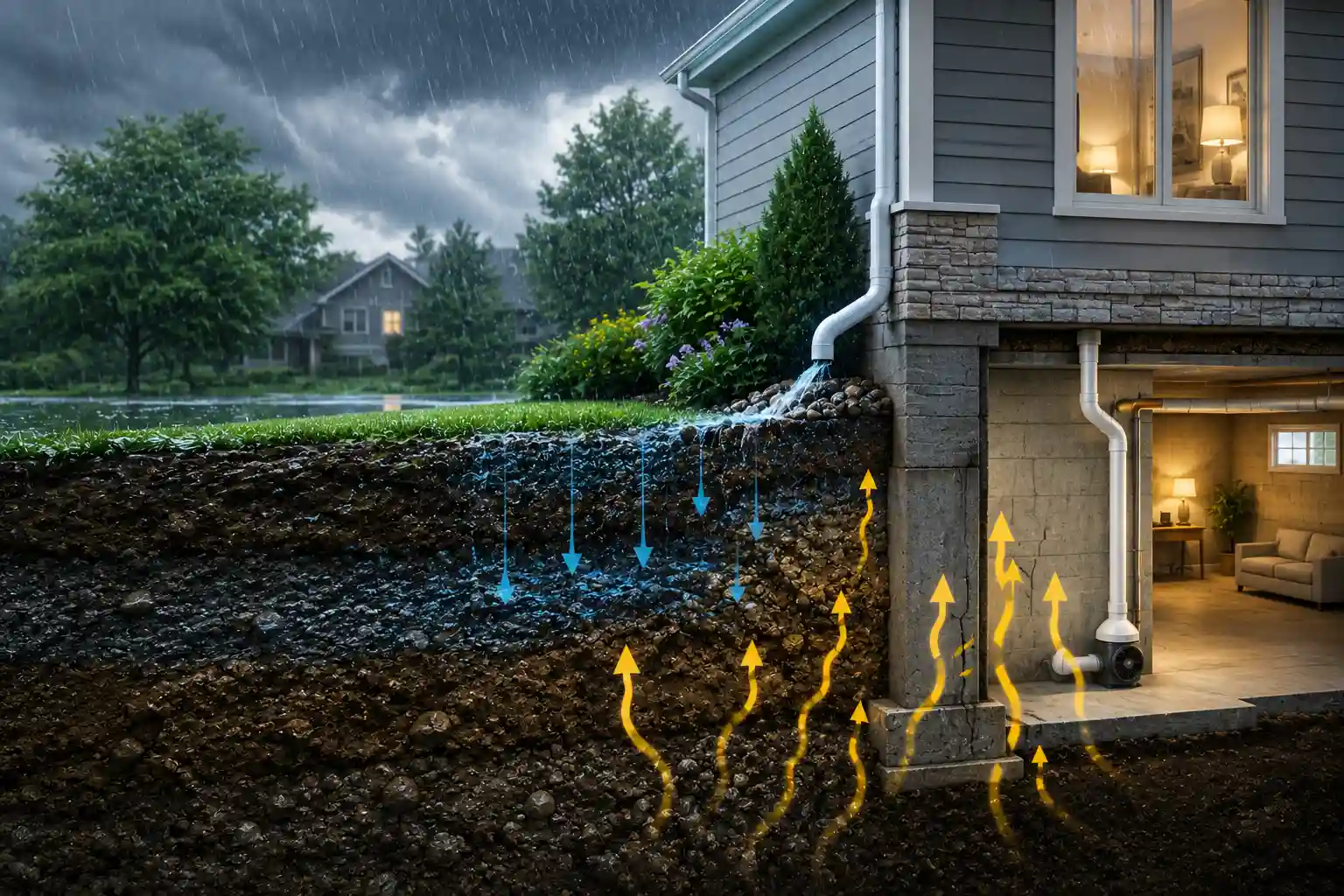
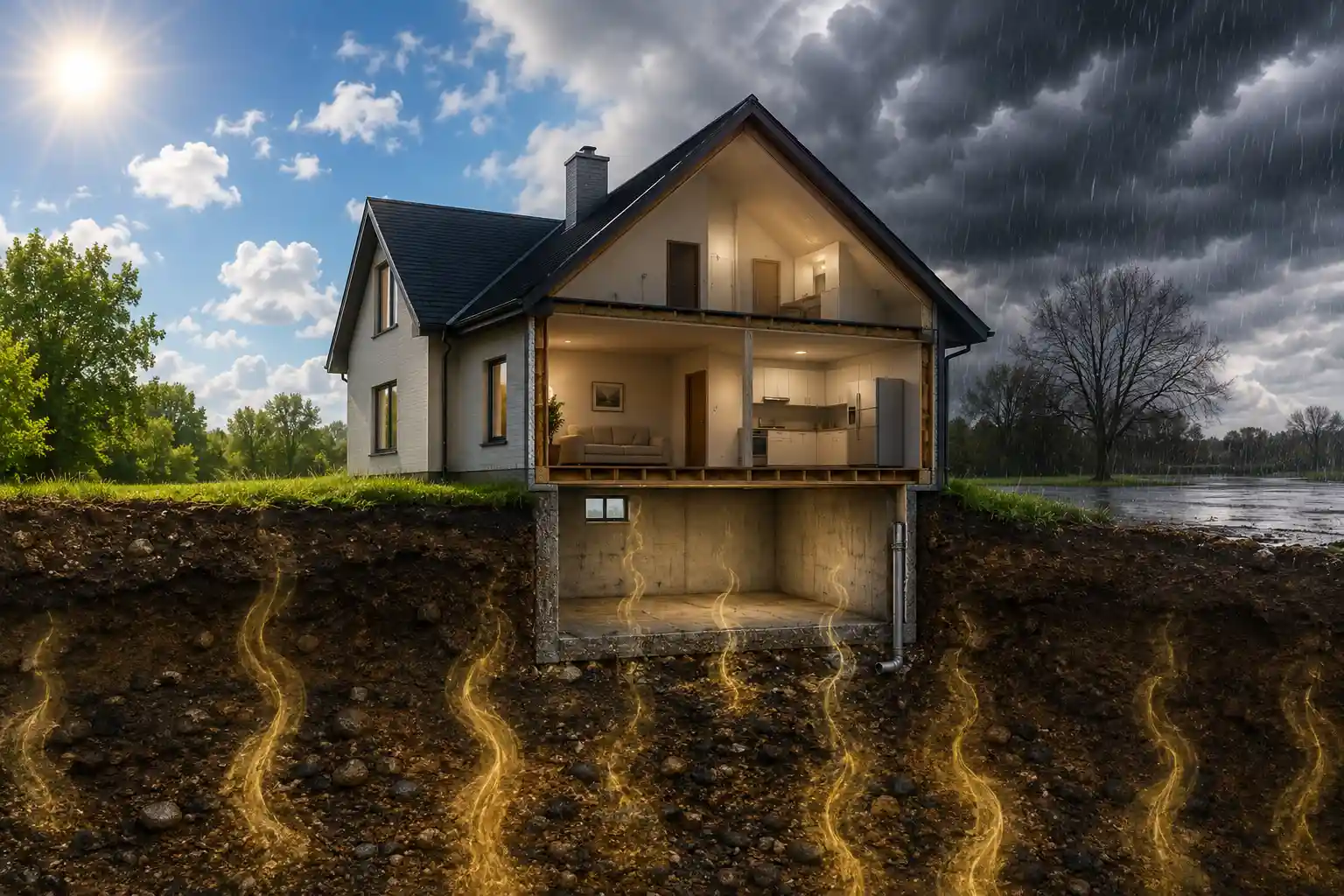
A radon mitigation system relies on one simple principle. It continuously pulls radon gas from beneath your home and safely vents it outside before it can accumulate indoors. The radon fan is the engine that makes this possible.
When the fan is working properly, radon levels stay low and stable. When it weakens or fails, radon can silently build up again. That is why the condition of your fan directly affects indoor air quality and long term health risk.
Unlike appliances you see every day, radon fans usually run quietly in the background. Because they operate nonstop, wear and tear is inevitable. Knowing when performance starts to slip is essential.
How Long Does a Radon Fan Typically Last
Most radon fans are designed for continuous operation. Under normal conditions, you can expect a lifespan of around five to ten years. Some may fail earlier due to moisture exposure, extreme temperatures, or improper installation. Others may last longer if conditions are ideal.
Age alone is not the only factor. A newer fan can still underperform if it is undersized or installed incorrectly. An older fan can sometimes continue working efficiently if readings remain low and stable.
The key takeaway is this: the fan lifespan is a guideline, not a guarantee. Performance always comes first.
Clear Signs You May Need Radon Fan Replacement
Rising Radon Test Results
The most reliable indicator is your radon test. If levels were previously below the recommended threshold and now consistently test higher, the system is no longer doing its job.
Even a small but steady increase is a warning sign. Radon levels should remain fairly constant when a system is functioning correctly.
Loud or Unusual Noise
Radon fans are typically quiet. A soft hum is normal, but rattling, grinding, or whining sounds are not. Noise often points to worn bearings or an imbalanced motor.
If the sound gets louder over time, replacement is usually more cost effective than repair.
Fan Not Running at All
If the fan has stopped completely, radon levels can rise quickly. A non operating fan is an immediate reason to act. Sometimes the issue is electrical, but often the motor itself has failed.
Excessive Vibration
Strong vibration can indicate internal damage or loose components. Over time, vibration can also damage piping connections, leading to leaks that reduce system efficiency.
Visible Corrosion or Moisture Damage
Fans installed in damp basements or exterior locations can suffer from moisture exposure. Rust, corrosion, or water stains around the housing suggest the fan may be nearing failure.
Increased Energy Usage
While radon fans do not use much electricity, a struggling motor can draw more power. If you notice unexplained increases and other causes have been ruled out, the fan may be inefficient.
Why Ignoring These Signs Can Be Risky
Radon is colorless and odorless. You cannot sense when levels rise without testing. A failing fan does not just reduce efficiency. It can leave your home unprotected for months or years without obvious warning.
Long term radon exposure is linked to serious health risks. That is why proactive radon mitigation fan replacement is far safer than waiting for a complete breakdown.
Testing Before Making a Decision
Before replacing anything, confirm the issue with proper testing.
Use a short term radon test to see current levels. If results are elevated, follow up with a second test to confirm. If levels remain high, inspect the fan and system components.
This step ensures you are solving the right problem. Sometimes blockages or piping issues mimic fan failure. A professional inspection can clarify whether replacement is truly needed.
Repair vs Replacement What Makes Sense
In most cases, radon fans are not repaired. They are sealed units designed for continuous use, not servicing. While minor electrical issues can sometimes be fixed, internal motor problems usually mean replacement.
From a cost and reliability standpoint, replacing the fan is often the better option. A new fan restores full performance and comes with a manufacturer warranty.
Understanding the Cost of Radon Fan Replacement
Typical Price Range
On average, homeowners can expect to pay between $300 and $800 for radon fan replacement, including parts and labor. Costs vary based on fan type, installation location, and labor requirements.
Factors That Affect Cost
Fan capacity matters. Larger homes or systems with longer piping runs require more powerful fans, which cost more.
The installation location also plays a role. Fans installed in attics or exterior locations may require additional labor or weather-resistant components.
Electrical adjustments can add to the total if wiring upgrades are needed.
Is It Worth the Investment
Compared to the long term health risks of elevated radon, replacement costs are relatively modest. A properly functioning fan provides continuous protection day and night.
Choosing the Right Radon Replacement Fan
Not all fans are interchangeable. Selecting the correct radon replacement fan ensures proper airflow and pressure.
Matching Fan Capacity to Your System
Fans are rated by airflow and pressure. Using a fan that is too weak will not adequately reduce radon levels. Using one that is too powerful can create unnecessary noise and energy use.
A professional will match the fan to your existing system design and home size.
Energy Efficiency and Noise Levels
Modern fans are more energy efficient and quieter than older models. Upgrading can reduce operating costs and improve comfort.
Indoor vs Outdoor Rated Fans
Some fans are designed specifically for exterior installation and weather exposure. Using the correct type extends lifespan and reliability.
Professional Installation vs DIY Replacement
Why Professional Replacement Is Often Recommended
While replacing a fan may look straightforward, proper sealing, airflow direction, and electrical safety are critical. Incorrect installation can reduce effectiveness or create leaks.
Professionals also verify system performance after installation with testing.
When DIY Might Be Considered
If the fan is easily accessible and you have electrical experience, DIY replacement is possible. However, post installation radon testing is still essential.
How Long Replacement Takes
In most cases, replacing a radon fan takes one to two hours. The system is usually back in operation the same day.
After replacement, allow the system to run for at least twenty four hours before retesting radon levels.
When to Search for Radon Fan Replacement
If you are unsure about diagnosis, selection, or installation, searching for radon fan replacement connects you with trained professionals (Milwaukee Radon Mitigation) who understand local building conditions and radon patterns.
Local radon specialists can also advise whether system upgrades or adjustments are needed beyond the fan itself.
For homeowners who want expert help and quick service, calling 414-455-7279 can connect you with guidance on proper replacement options.
Preventing Premature Fan Failure
While all fans eventually wear out, you can extend lifespan with a few best practices.
Ensure the fan is installed in a dry, protected location whenever possible. Moisture is one of the leading causes of early failure.
Check the system indicator regularly. Many systems include a pressure gauge that shows whether the fan is creating proper suction.
Test radon levels at least every two years, or after major home changes.
What Happens After You Replace a Radon Fan
Once a new fan is installed, the system should return to stable performance. Radon levels should drop back to previous safe readings or even improve if the new fan is more efficient.
Keep documentation of the replacement date and model. This helps track lifespan and warranty coverage.
Common Myths About Radon Fan Replacement
My Radon Levels Are Low So the Fan Must Be Fine
Levels can fluctuate seasonally. A single low reading does not guarantee long term performance. Consistency matters.
Fans Last Forever
Even the best fans are mechanical devices with moving parts. Continuous operation means eventual wear.
Replacement Is Too Expensive to Consider
Compared to most home repairs, replacing a radon fan is relatively affordable and directly protects health.
FAQs
How do I know if my radon fan is working properly
You should regularly check your system indicator and test radon levels every one to two years. If the indicator shows no pressure difference or radon test results rise, the fan may not be functioning correctly.
Can I live in my home if the radon fan stops working
Short term exposure is unlikely to cause immediate symptoms, but prolonged exposure increases risk. If the fan stops, you should limit time in lower levels of the home and arrange replacement as soon as possible.
Does replacing a radon fan require a new mitigation system
In most cases, no. A new fan can usually be installed into the existing system as long as piping and sealing are intact. A professional inspection will confirm compatibility.
How soon should I retest after replacement
You should retest radon levels after the system has run continuously for at least twenty four hours. This ensures accurate post replacement results.
Is a louder fan always a bad sign
Some fans are naturally louder than others, but new or increasing noise often signals wear. Sudden changes in sound should always be investigated.
Final Thoughts
A radon mitigation system is only as reliable as its fan. When that fan weakens or fails, protection drops quietly and without warning. Paying attention to early signs, testing regularly, and acting promptly can prevent long term exposure risks.
Radon fan replacement is not just a maintenance task. It is an investment in your home and your health. With the right fan, proper installation, and ongoing monitoring, your system can continue doing its job effectively for years to come.
If you suspect your fan is nearing the end of its life or want expert guidance, reaching out to a local professional or calling 414-455-7279 can help you take the next step with confidence.