

Pets spend most of their lives close to the floor, often sleeping in basements or lower levels where gas accumulation can occur. Because of this behaviour, animals may show early health signals before humans do. The most noticeable Symptoms of Radon Exposure in dogs and other pets may include persistent coughing, breathing difficulty, fatigue, reduced activity levels, and unexplained respiratory stress.
Table of Contents
Radon Exposure in Dogs and Other Pets
Radon is an invisible, naturally occurring radioactive gas formed when uranium in soil breaks down. It can seep into homes through foundation cracks, sump pits, floor joints, and utility openings. Once radon inside accumulates in enclosed spaces, especially in lower levels of homes, it can damage lung tissue over time.
Breathing radon does not cause any short-term health effects such as coughing or headaches, and the amount of time between Symptoms of Radon Exposure and the onset of lung cancer may be many years. Over time, long term exposure can affect both people and animals living in the same environment.
For pet owners in Wisconsin communities such as Saint Francis, Oak Creek, New Berlin, and Mequon, understanding the potential impact of indoor air quality on animals is an important part of protecting the household.
Radon is the second leading cause of lung cancer in the United States after smoking.
Why Pets Often Show Environmental Health Signals First
Dogs, cats, and other small animals typically live closer to the ground where radon concentrations can be higher. Their bodies are also smaller, which means prolonged exposure to environmental contaminants can affect them faster.
Another factor is time spent indoors. Many pets spend nearly their entire day inside the home. If radon levels are elevated, they are continuously breathing the same air. Radon inside homes is often highest in lower levels, increasing exposure risk for pets.
Veterinary researchers and environmental health professionals often note that animals can serve as early indicators of environmental issues inside homes. If pets begin showing unexplained respiratory symptoms or unusual fatigue, indoor air quality should be considered as a possible factor.
Children may be especially vulnerable to radon’s health risks due to their lung size and breathing rate, similar to pets.
What Radon Is and Why It Matters for Indoor Air
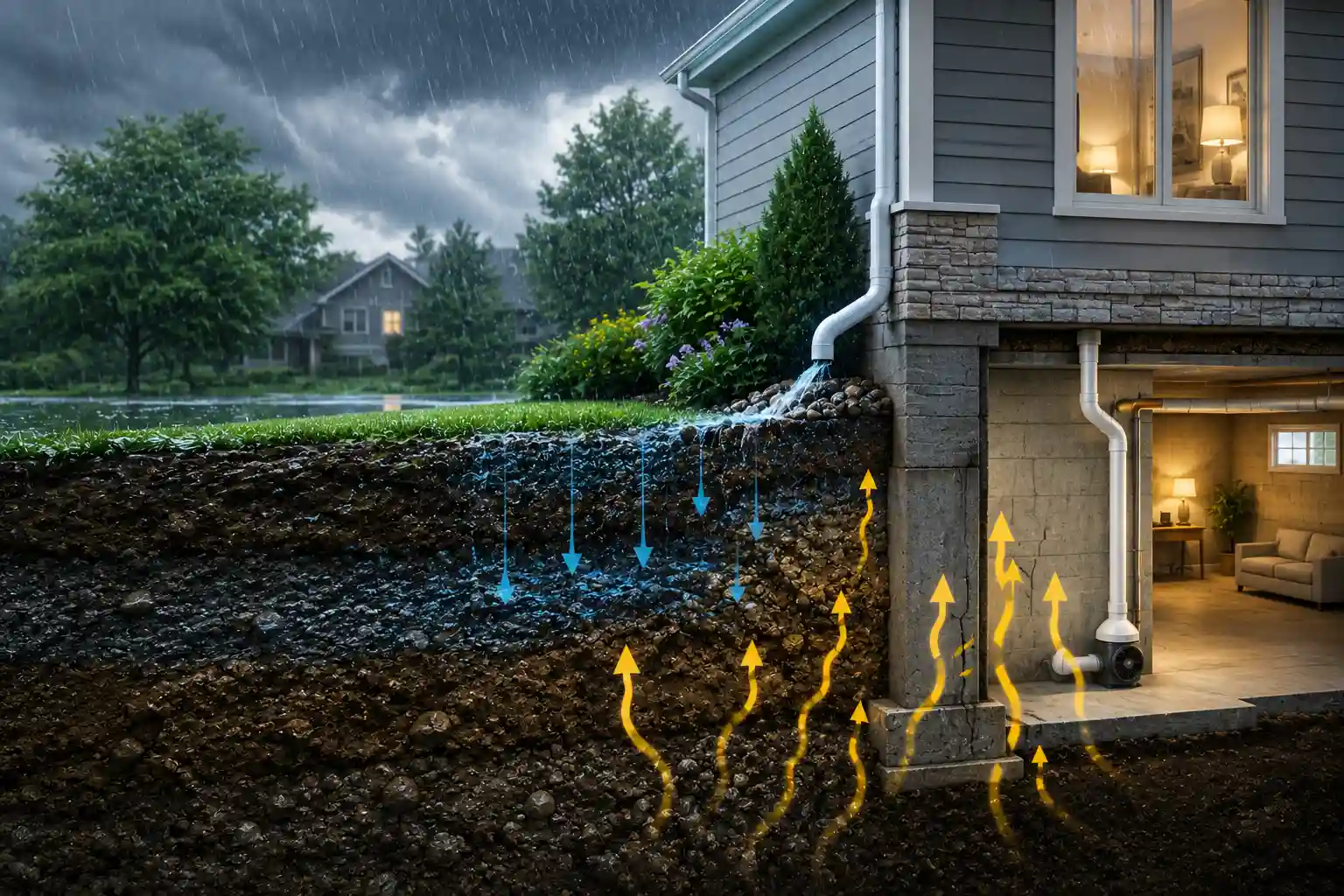
Radon forms naturally underground and moves upward through soil. When homes are built, small openings in the foundation allow soil gases to enter.
Common entry points include
- Foundation cracks
- Floor drains
- Construction joints
- Sump pump pits
- Utility penetrations
Radon can also be released from certain building materials and natural substances such as granite or soil, though these sources typically contribute low levels.
Once radon enters a building, it can become trapped indoors. Factors influence indoor radon levels, including soil type, building materials, and home construction. Radon levels tend to be higher in the lower levels of a home than in its upper levels.
The Environmental Protection Agency identifies 4.0 pCi/L as the action level where mitigation is recommended. This is considered the acceptable range for indoor radon, and the EPA recommends testing every year or two, even if results are within this range. The Environmental Protection Agency (EPA) recommends that every homeowner test their home for radon.
Long term exposure to radon is associated with lung cancer in humans. While research in pets is less extensive, animals exposed to elevated levels may experience respiratory effects and increased health risks over time.
Behavioral Changes That May Signal a Problem
Animals cannot explain how they feel, but their behavior often changes when something in their environment is affecting them.
Watch for patterns such as
- Reduced energy or unusual lethargy
- Less interest in play or walks
- Sleeping more than usual
- Avoiding certain areas of the house
These signs may have many possible causes, including aging, illness, or stress. However, if symptoms appear suddenly and persist, it is worth evaluating environmental conditions inside the home.
Respiratory Signs in Dogs and Cats
The lungs are the primary organs affected by long term radon exposure. Because pets breathe the same air we do, respiratory symptoms may appear gradually. Symptoms of Radon Exposure raises the risk of lung cancer in both pets and humans.
Possible warning signs include
- Frequent coughing
- Shortness of breath
- Rapid breathing
- Wheezing sounds
- Reduced tolerance for exercise
Some animals may also show nasal discharge or irritation if indoor air quality is compromised.
Radioactive particles from radon decay can become trapped in the lungs, damaging tissue over time. Symptoms of radon exposure often mimic common illnesses and may not appear for 10-15 years after exposure.
Symptoms of lung cancer often do not appear until cancer is advanced and include persistent coughing, chest pain, wheezing, and breathing difficulties. Advanced symptoms of radon exposure include persistent cough, shortness of breath, chest pain, and coughing up blood.
Lung cancer may start as a nagging cough, shortness of breath, or wheezing that doesn’t go away. Other symptoms of lung cancer include coughing up blood, having chest pain, or losing weight without trying. The first signs of significant radon exposure are often the same as the symptoms that precede a lung cancer diagnosis.
Veterinarians often recommend investigating environmental factors if respiratory issues appear without an obvious infection or medical condition.
Subtle Signs That Are Easy to Miss
Not every symptom is dramatic. In many cases the earliest signals are subtle and easily overlooked.
Examples include
- Loss of appetite
- Mild weight changes
- Restlessness during sleep
- Occasional coughing that gradually increases
Because pets cannot communicate discomfort verbally, small behavioural changes often provide the first clues that something is affecting them. Observing patterns over time helps pet owners recognize when something is unusual.
Diagnosing Radon Exposure in Pets
Diagnosing radon exposure in pets can be a complex process, as the symptoms of radon poisoning such as coughing, fatigue, and difficulty breathing often mimic those of other common respiratory illnesses.
If you notice persistent or unexplained symptoms in your dog, cat, or other household pet, it’s important to consult a veterinarian promptly.
The Environmental Protection Agency (EPA) urges pet owners to take proactive measures to reduce radon levels in their homes, especially for animals that spend significant time indoors or in lower areas like basements and crawl spaces. Radon exposure is a recognized risk factor for developing lung cancer in pets, just as it is in humans.
The American Cancer Society identifies radon as a leading cause of lung cancer, and pets that are exposed to elevated radon levels particularly those with pre-existing respiratory conditions face an even higher risk of radon-related lung cancer.
The risk of lung cancer increases with both the concentration of radon and the duration of exposure, making early detection and intervention critical. When veterinarians suspect radon exposure, they typically begin with a thorough physical examination and a detailed medical history, focusing on the pet’s living environment and any potential risk factors.
Diagnostic tests may include chest X-rays to look for changes in lung tissue, blood tests to assess overall health, and lung function tests to evaluate respiratory performance. If radon-related lung cancer is diagnosed, treatment options may involve surgery, chemotherapy, or radiation therapy, depending on the severity and progression of the disease.
Prevention remains the most effective way to protect pets from the health risks associated with radon. The EPA, World Health Organization, and Centers for Disease Control and Prevention all recommend regular radon testing in homes, especially in areas where pets spend most of their time.
Installing a radon mitigation system can significantly reduce radon levels and lower the risk of lung cancer and other radon-related health risks for both people and pets.
Pet owners can further reduce radon exposure by keeping animals out of high-risk areas such as unfinished basements and poorly ventilated crawl spaces. Providing well-ventilated, above-ground spaces for pets to rest and play is another proactive measure that can help minimize risk.
By working closely with your veterinarian and following guidelines from leading health organizations, you can help ensure your pets are protected from the dangers of radon exposure.
If you suspect your pet may have been exposed to high radon levels, don’t wait schedule a veterinary appointment and consider immediate radon testing for your home. Taking these proactive steps is essential for reducing radon levels, preventing lung cancer, and safeguarding the health of every member of your household, furry or otherwise.
Homes in Southeast Wisconsin and Radon Risk
Radon levels vary from region to region depending on soil composition and geology. Radon is a naturally occurring radioactive gas, or natural gas, that is often higher in places where there’s a large amount of uranium near the surface of bedrock. Parts of Wisconsin have conditions that allow radon gas to move easily through the ground.
Communities such as Saint Francis, Oak Creek, New Berlin, and Mequon contain homes built on soil types that may allow gas infiltration through foundations.
Older homes with unfinished basements or crawl spaces can be particularly vulnerable. Even newer homes are not immune. Energy efficient construction sometimes traps gases indoors more effectively.
This is why many homeowners consider periodic radon testing services to evaluate indoor air quality.
The EPA estimates that about 6 million homes in the U.S. exceed 4 pCi/L.
How Radon Testing Protects Both People and Pets
Testing is the only reliable way to determine whether radon is present in a home.
A radon testing company uses specialized monitoring equipment to measure radon concentrations over time. Short term and long term testing options are available depending on the situation.
Homeowners searching online for radon testing often start with a simple test kit or professional inspection.
If elevated levels are found, mitigation systems can safely redirect soil gases away from the home before they enter living spaces.
This process significantly reduces exposure risk for everyone in the household including pets.
For homeowners seeking professional evaluation in the Greater Milwaukee area, Milwaukee Radon Mitigation provides testing support and can be contacted at 414-455-7279.
When Pet Symptoms Should Prompt a Home Test
If pets develop persistent respiratory symptoms without a clear medical cause, it may be worth evaluating indoor environmental factors.
Situations where testing may be helpful include
- Recent move into a new home
- Pet spending significant time in the basement
- Unexplained coughing in multiple animals
- Health symptoms appearing in both pets and people
Radon testing is simple, affordable, and noninvasive. It provides valuable information about indoor air quality.
Protecting Your Home Environment
Reducing radon exposure involves improving ventilation and controlling how soil gases enter the building.
Common mitigation solutions include
- Active sub slab depressurization systems
- Sealing foundation openings
- Improving basement ventilation
- Installing radon vent piping
Professional mitigation systems are designed to continuously draw soil gases away from the home before they accumulate indoors.
These systems operate quietly and typically require minimal maintenance.
FAQs
Can radon mitigation improve indoor air for pets?
Yes. Radon mitigation systems remove soil gases before they accumulate indoors. Lower radon levels improve the overall indoor air environment for both humans and animals.
How often should radon levels be checked?
Many experts recommend testing every two years or after major home renovations. Seasonal changes can also influence indoor radon levels, so periodic testing provides reassurance that conditions remain safe.
Should I test my home if my pet develops breathing issues?
Testing is a reasonable step when respiratory symptoms appear without a clear cause. Radon measurement helps rule out environmental factors that could affect both animals and people in the home.
Are dogs more sensitive to radon exposure?
Dogs may experience respiratory irritation or fatigue if they spend long periods in areas with elevated radon levels. Smaller body size and higher breathing rates may make environmental exposure effects appear sooner.
Can pets detect radon in a home?
Pets cannot detect radon directly because the gas has no smell or color. However, animals may show health changes earlier than humans because they live closer to the ground and breathe air from lower levels of the home.
Conclusion
Pets often notice environmental changes before humans do. When dogs or other animals begin showing respiratory symptoms or unusual fatigue, it can be a signal that indoor air quality deserves attention.
Radon is invisible and odorless, which means testing is the only way to know if it is present. For households in Saint Francis, Oak Creek, New Berlin, and Mequon, evaluating radon levels helps protect both family members and the animals that share the home.
A simple test can provide peace of mind and ensure the air your pets breathe every day remains safe.