
The short answer is yes.
Radon is a naturally occurring radioactive gas that cannot be seen or smelled, yet it can accumulate indoors and create significant health risks. Testing before closing gives buyers the chance to understand the home’s indoor air quality and address potential problems before ownership changes hands.
Across communities like Saint Francis, Oak Creek, New Berlin, and Mequon, radon testing has become a routine part of responsible real estate transactions. Many homes show elevated radon levels without any visible warning signs. Because of that, testing early in the buying process provides clarity and prevents surprises after moving in.
Table of Contents
Radon Guide For Home Buyer’s and Seller’s
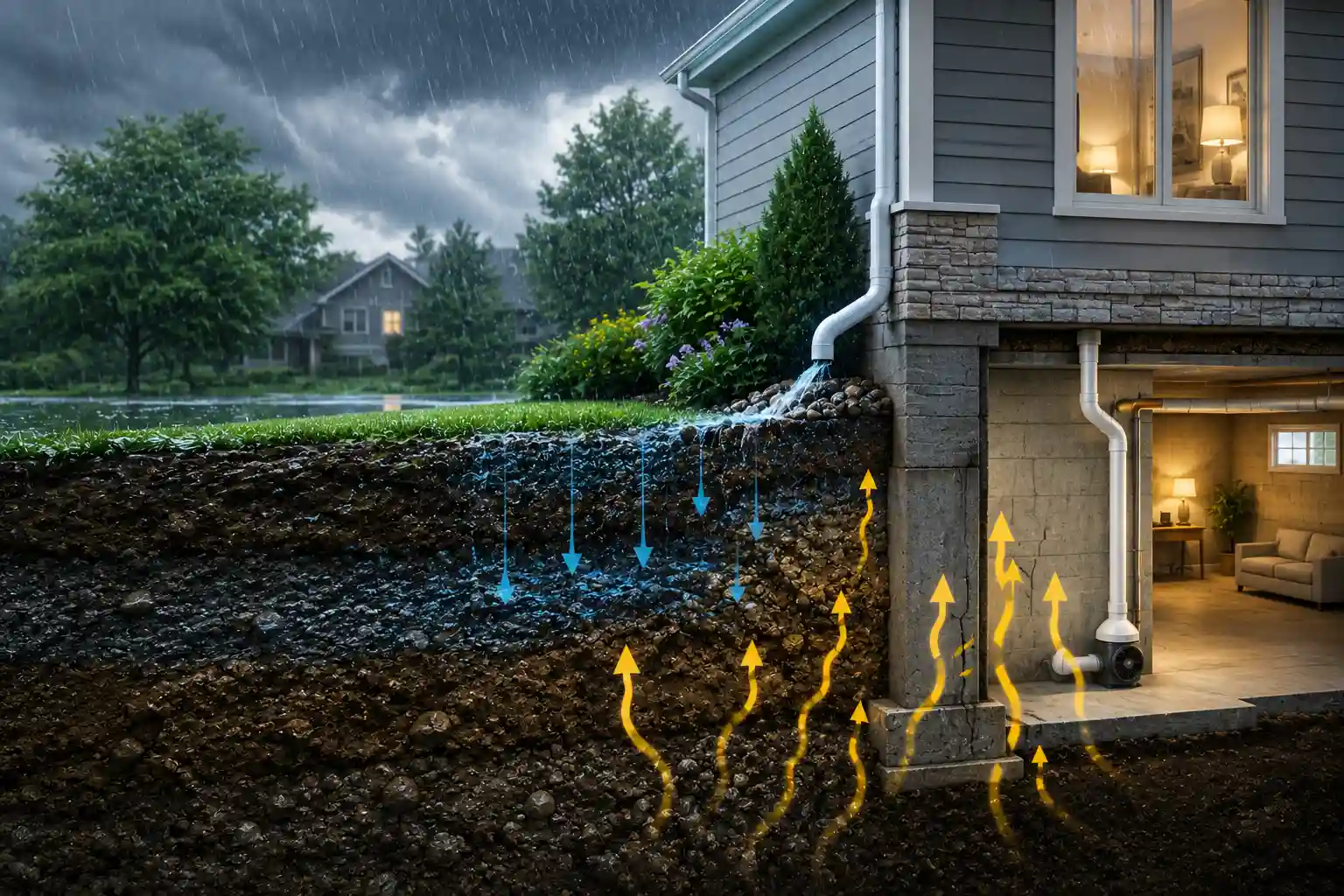
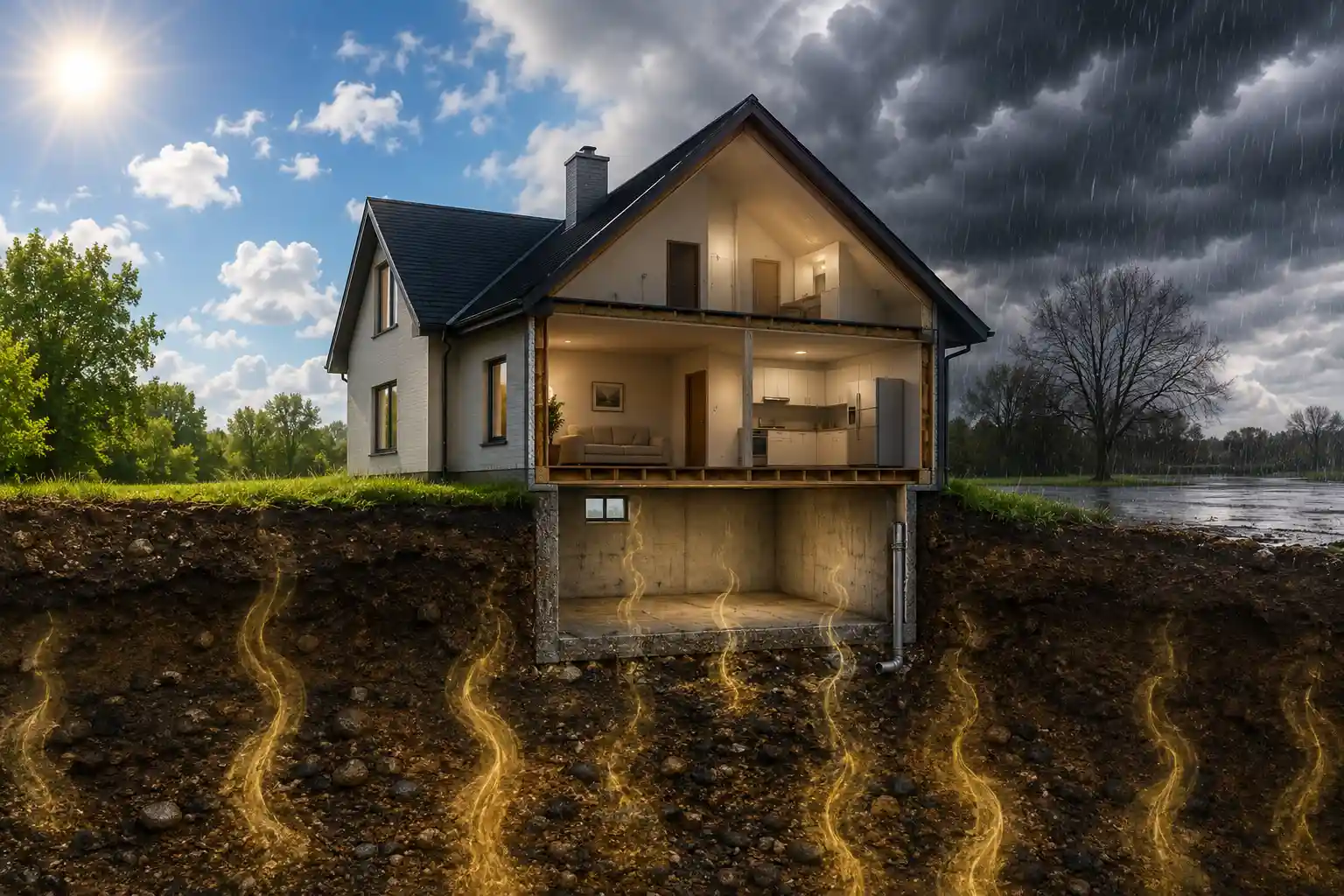
Radon forms naturally in soil as uranium breaks down underground. The gas moves upward through the soil and can enter homes through foundation cracks, sump pits, construction joints, and utility openings. Once inside, it can accumulate to levels that increase lung cancer risk.
Health organizations such as the Environmental Protection Agency and the World Health Organization recommend testing homes because radon exposure is the second leading cause of lung cancer in the United States.
For buyers and sellers, radon testing serves several practical purposes.
- It confirms whether the property has elevated levels.
- It provides documentation during negotiations.
- It helps determine whether mitigation may be needed.
Many buyers ask whether Is a radon test required by state or federal government. In most cases the answer is no. Federal law does not mandate testing before buying a home. However, sellers are typically required to disclose known environmental hazards and buyers have the right to perform testing during the inspection period.
Some buyers also wonder Is radon testing required to sell a home. Again, most states do not require it. But in competitive real estate markets, testing is often expected. Providing test results can build trust and reduce delays during closing.
Radon During Real Estate Transactions
Radon testing often occurs during the home inspection phase of a real estate transaction. This period allows buyers to evaluate structural issues, electrical systems, HVAC equipment, and environmental conditions.
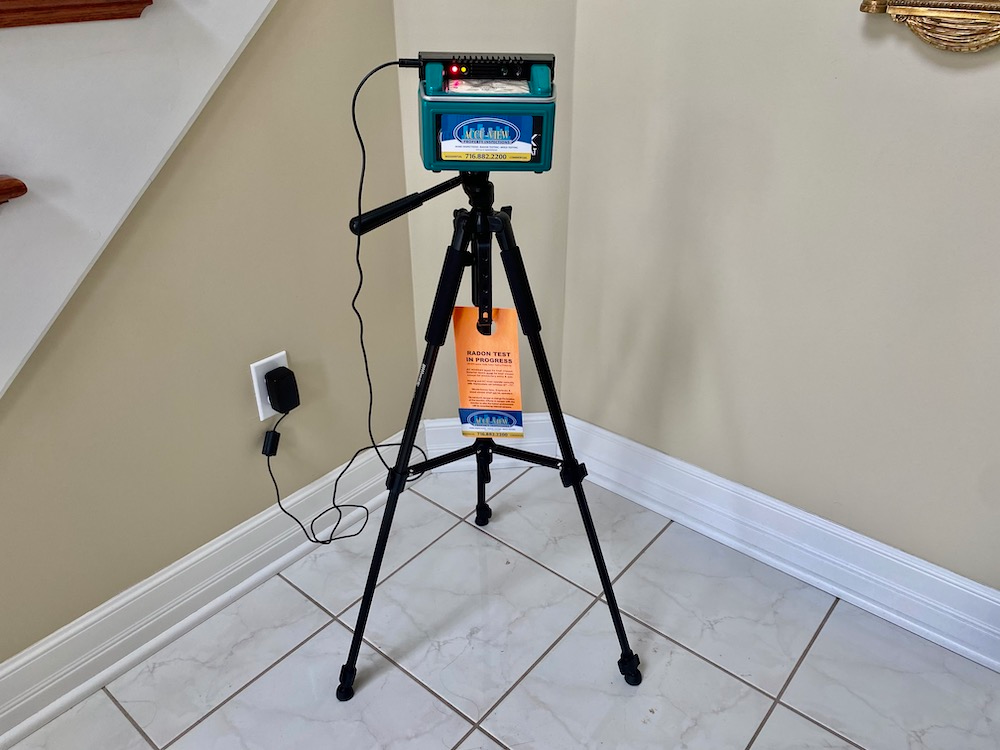
A professional radon test typically runs for 48 hours. Certified inspectors place a continuous radon monitor in the lowest livable area of the home. Windows remain closed during the test to ensure accurate measurement.
If results come back above the EPA action level of 4.0 picocuries per liter, buyers and sellers can negotiate next steps. Sometimes sellers agree to install a mitigation system before closing. In other situations, the buyer receives a credit toward mitigation costs.
During real estate transactions, many people ask Is radon testing really necessary. The answer depends on how much certainty you want about indoor air safety. Because radon levels vary widely even between neighbouring homes, testing is the only reliable way to know the actual concentration.
Radon testing is also common during property purchases in Saint Francis, Oak Creek, New Berlin, and Mequon where soil conditions can allow radon gas to travel through porous ground into residential foundations.
Radon and Buying or Building a Home
Radon risk is not limited to older homes. Even newly constructed houses can develop elevated radon levels depending on soil composition and foundation design.
When building a new property, contractors can install radon resistant construction features such as gas-permeable layers, plastic sheeting, sealing techniques, and vent piping. These systems help prevent radon from entering indoor living spaces.
Some buyers assume that radon only affects houses with basements.
This leads to the common question Is a radon test necessary if there is no basement? Radon can enter through crawl spaces, slab foundations, and even well-ventilated homes. Any structure in contact with soil has the potential for radon entry.
Another misconception is that radon testing is exaggerated or unnecessary.
Questions like Is radon testing a hoax appear online from time to time. However, decades of research from health agencies have confirmed the link between radon exposure and lung cancer. The risk is well documented and testing remains the most reliable method of detection.
For those who prefer a simple approach, an At home radon test kit can provide an initial screening. These kits are affordable and widely available. However, professional testing during a home purchase is generally recommended because real estate decisions often depend on accurate measurements.
Should I get a radon test with my home inspection
Many buyers combine radon testing with their home inspection because it saves time and provides a more complete picture of the property. When inspectors evaluate the structure, electrical systems, roofing, and HVAC equipment, adding a radon test ensures indoor environmental safety is also considered.
Home inspectors typically work with certified radon measurement professionals who place monitoring devices inside the property during the inspection period.
Buyers often ask Should I get a radon test with home inspection if the house already appears well maintained. The answer is still yes. Radon is not related to how clean or modern a house looks. Even recently renovated homes can have elevated radon levels.
Testing during the inspection phase also protects buyers financially. If elevated levels are discovered, the issue can be addressed before closing rather than becoming a costly surprise after moving in.
Another common concern is Radon inspection cost. In most real estate transactions, professional testing costs between one hundred and two hundred dollars depending on the radon inspection company and monitoring method. Compared to the overall cost of purchasing a home, testing is a small investment for long term health protection.
Who Pays for Radon Mitigation
When elevated radon levels are discovered, the next question is usually about responsibility. Buyers often ask who pays for mitigation if the test result exceeds recommended limits.
The answer depends on negotiation between the buyer and seller. There is no universal rule requiring either party to pay. However, several common outcomes occur during real estate transactions.
- Sometimes the seller installs a mitigation system before closing.
- In other cases the buyer receives a credit to install the system later.
- Occasionally both parties share the cost.
A typical mitigation system uses active sub-slab depressurization. A small fan draws radon gas from beneath the foundation and vents it safely above the roofline.
These systems are effective and often reduce radon levels by up to 99%. Installation usually takes a few hours and requires minimal maintenance afterward.
For homeowners in the Milwaukee region, professional assistance from 414-455-7279 can help evaluate testing results and determine the best mitigation strategy.
Is radon testing necessary when buying a home?
When evaluating a property purchase, buyers want confidence that their new home is safe for long term living. Radon testing answers that question directly by measuring the invisible gas that may be present in the air.
Without testing, buyers are relying on assumptions rather than data. Because radon levels vary widely from one property to another, even within the same neighborhood, the only way to know the actual concentration is through testing.
Buyers often search for questions such as Is radon testing really necessary because the risk is not immediately visible. Unlike structural damage or electrical issues, radon exposure has no immediate symptoms. Its impact develops slowly over time through long-term inhalation.
Testing removes uncertainty. It provides measurable results that buyers can use during negotiations and long term planning.
Even if the home ultimately tests recommended limits below, the information offers peace of mind. Buyers know their indoor air environment has been evaluated and documented before completing the purchase.
For homeowners across Saint Francis, Oak Creek, New Berlin, and Mequon, radon testing has become a standard precaution in the home-buying process.
FAQs
Where can I get help with radon testing or mitigation?
Homeowners can consult certified radon professionals or contact experts for guidance. For testing and mitigation assistance call 414-455-7279 to discuss available options.
How much does radon mitigation usually cost?
Mitigation costs vary depending on foundation design and system complexity. Many systems range between eight hundred and fifteen hundred dollars and can significantly reduce indoor radon levels.
Do homes without basements need radon testing?
Yes. Radon can enter homes through slab foundations and crawl spaces. Any home that sits directly on soil can potentially develop elevated radon levels.
What happens if a home tests above recommended radon levels?
If elevated levels are found, a mitigation system can be installed to reduce radon concentrations. These systems are highly effective and commonly installed within a single day.
Can I rely on a DIY radon test kit when buying a home?
DIY kits can provide an initial screening result. However, certified testing during the inspection period is generally recommended because real estate decisions require highly accurate measurements.
Conclusion
A home purchase is one of the most significant financial and personal decisions most people make. While buyers focus on location, price, and structural condition, indoor air quality should also be considered.
Radon gas is invisible and odorless, yet it remains a leading environmental health concern inside homes. Testing during the inspection period gives buyers the information they need to make informed decisions before closing.
Conducting a radon test protects both financial investment and long term health. It allows buyers to negotiate solutions if elevated levels are found and ensures that the home environment meets recommended safety standards.
For anyone purchasing property in Saint Francis, Oak Creek, New Berlin, Mequon, or surrounding communities, radon testing remains one of the simplest and most valuable steps in the buying process.