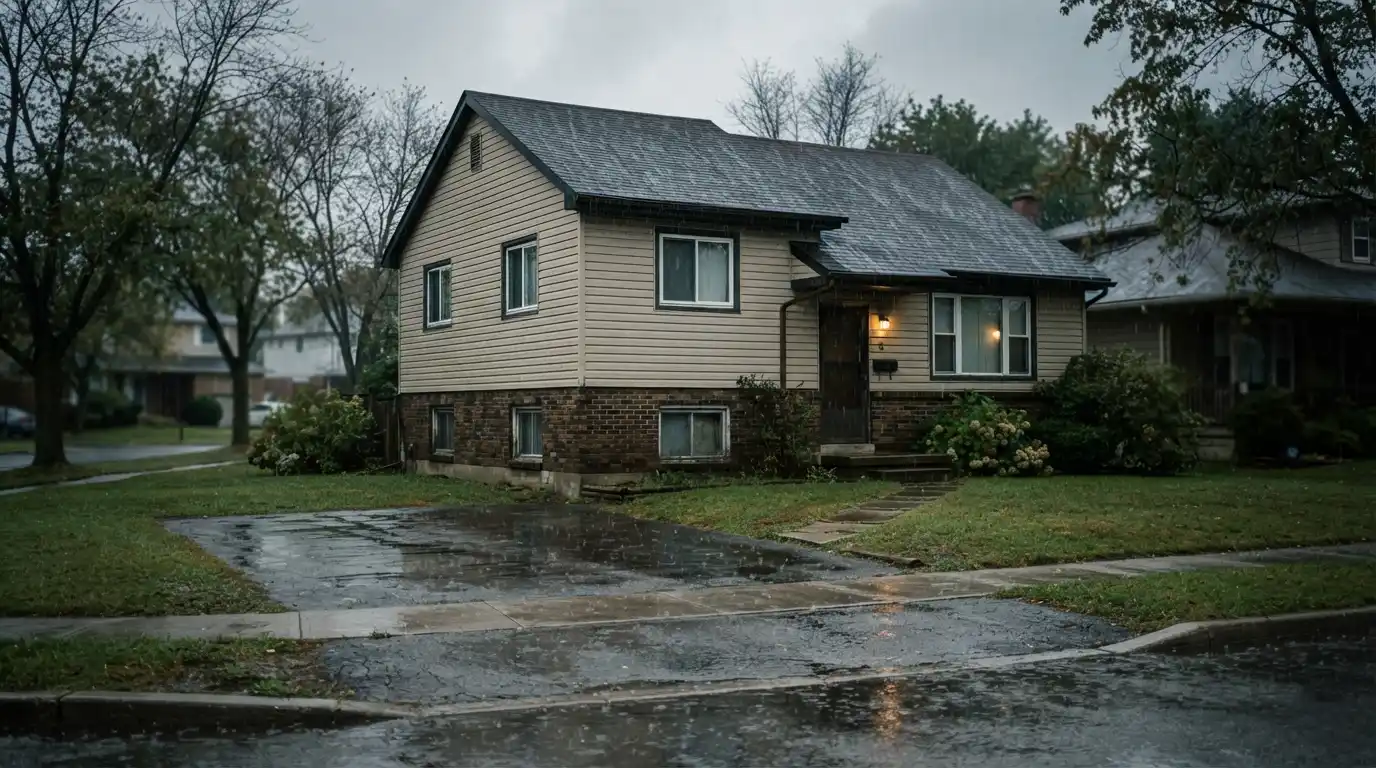


Not every home is tested for radon, and mitigation systems are usually installed only after elevated levels are discovered. That is why experts often recommend a radon test before buying a home, so buyers understand the indoor air risks before finalizing a property purchase.
Table of Contents
All Homes Have Radon Mitigation Systems
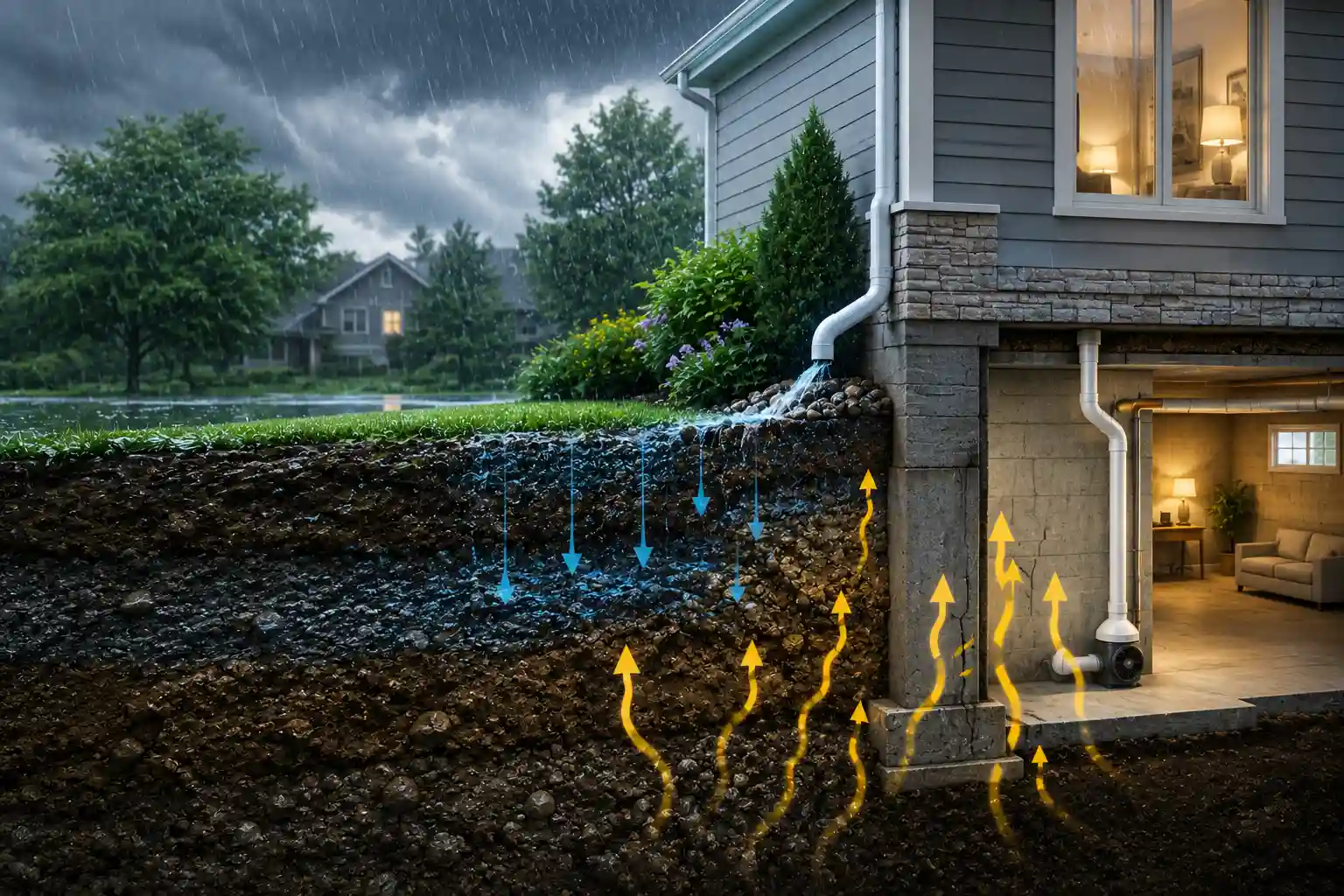
It enters homes through foundation cracks, sump pits, construction joints, and other small openings. Because it is invisible and odorless, homeowners often do not realize it is present unless a test is performed.
Despite the known health risks, many homes still operate without radon mitigation systems. The reasons are more practical than mysterious. Awareness, regulations, home design, and testing habits all influence whether a system is installed.
For homeowners in communities such as Saint Francis, Oak Creek, New Berlin, and Mequon, understanding why radon mitigation is not universal can help guide better decisions about testing and indoor air safety.
Radon
Radon is a naturally occurring radioactive gas that can seep into homes from the soil beneath the foundation. Invisible and odorless, radon can accumulate indoors to levels that pose serious health risks.
According to the Environmental Protection Agency (EPA), radon exposure is the second leading cause of lung cancer in the United States, responsible for thousands of deaths each year. T
he EPA estimates that about 1 in 15 homes nationwide have indoor radon levels that exceed the recommended action level of 4 pCi/L (picocuries per liter of air).
A radon mitigation system is specifically designed to reduce radon concentrations in indoor air, helping to bring radon levels as low as reasonably achievable.
Understanding the dangers of radon and the importance of mitigation empowers homeowners to take proactive steps to protect their families and ensure a safer living environment.
Understanding Radon Mitigation
Radon mitigation is the process of lowering radon concentrations in homes to safer levels using proven techniques. The most effective method is active soil depressurization, which involves installing a vent pipe system and a radon fan that pulls radon gas from beneath the house and vents it safely above the roofline.
This approach is both cost efficient and highly effective, often reducing radon levels significantly. Other radon reduction methods include drain tile suction, which utilizes existing drain tiles to collect and vent radon, as well as sealing cracks and other openings in the foundation to help prevent radon entry.
Natural ventilation can also play a role in reducing radon, though it is generally less reliable than mechanical systems.
To ensure the mitigation system is installed correctly and operates as intended, it’s important to work with a qualified radon mitigation professional who has the technical knowledge and experience to select the best solution for your home. With the right mitigation system in place, homeowners can reduce radon levels and create a healthier indoor environment.
Radon Is Not Tested in Every Home
One of the biggest reasons mitigation systems are not installed everywhere is simple. Many homes have never been tested.
Unlike electrical wiring, plumbing, or smoke detectors, radon testing is not universally required during construction. A house can be built, sold, and occupied without anyone measuring the radon level.
That means thousands of homes may contain elevated radon levels without the owners knowing. Homebuyers sometimes assume inspectors will automatically test for radon, but that is not always the case. Many buyers ask the question
Should I get a radon test with home inspection only after learning that it is typically optional unless specifically requested. Test results from these inspections are used to determine if radon mitigation is needed, especially when levels exceed recommended safety thresholds.
Without testing, there is no trigger to install a mitigation system. Radon levels are reported in picoCuries per liter (pCi/L) of air.
Not Every House Has High Radon Levels
Another reason mitigation systems are not found in every home is that radon levels vary widely. Two homes on the same street can have completely different readings. Soil composition, foundation design, ventilation patterns, and construction materials all influence how radon moves into a building.
If testing shows levels below the EPA action level of 4 pCi/L, a mitigation system may not be considered necessary. The EPA urges anyone with radon levels above 4 pCi/L to take action by installing a mitigation system.
Both the EPA and the American Lung Association recommend that mitigation be considered if levels are greater than 2 pCi/L. Because of this variation, homeowners often wait for a test result before deciding whether installation is needed to address a radon problem.
Regulations Do Not Always Require Testing
Many homeowners assume radon testing is required everywhere. In reality, regulations differ widely by location.
People often ask Is a radon test required by state or federal government, but the answer is generally no for private homes. The US EPA establishes guidelines and action levels for radon in indoor air and water, and provides recommendations on testing procedures and mitigation. However, most residential testing requirements depend on state or local policies.
Organizations like the American Association of Radon Scientists and Technologists (AARST) play a key role in developing radon mitigation standards and overseeing certification for professionals. Following these standards helps ensure that radon mitigation systems are installed properly and function effectively.
In Wisconsin, radon awareness is high because the state has many regions with elevated natural radon potential. Even so, testing is usually recommended rather than legally mandated. That means installation decisions typically depend on homeowner awareness rather than regulation.
Real Estate Transactions Often Trigger Testing
The time when radon testing most commonly occurs is during real estate transactions. Buyers want to understand potential health risks before completing the purchase. Sellers may also test in advance to prevent surprises during negotiations.
This is why questions such as Is radon testing required to sell a home often come up during the buying process. While testing may not be mandatory, many buyers request it as part of the inspection contingency.
When high levels are discovered, a mitigation system is often installed before closing or negotiated as part of the sale. It is important to hire a contractor that is either state or nationally certified for radon mitigation to ensure the work meets recognized professional standards.
Homeowners should also retest their homes after installation to confirm the system is effective. Homes that have never changed ownership for decades may never have undergone this process.
Home Design Influences Radon Risk
Radon entry is closely tied to how a home is built.
Homes with basements, crawl spaces, or slab foundations can all allow radon infiltration, but the pathways differ. Soil gas can travel through foundation cracks, expansion joints, utility penetrations, and especially through the basement floor, which is a common source of moisture vapor and radon entry beneath the home’s foundation.
Some homeowners believe radon is only a basement problem. This leads to questions such as Is radon test necessary if no basement.
Crawlspace homes also face radon risks. In these structures, radon can enter through the earth floor. Crawlspace homes can effectively reduce radon levels by covering the earth floor with a high-density plastic sheet and using a vent pipe and fan to draw radon out from beneath the membrane.
The reality is that radon can enter slab on grade homes as well. Even homes without basements can develop elevated levels depending on soil conditions and construction details.
Because the risk varies by design, not every house ends up requiring mitigation.
Misconceptions Still Exist
Another reason mitigation systems are not universal is misinformation. Some homeowners question whether radon is truly a concern. Conversations occasionally include scepticism such as Is radon testing really necessary or even claims like Is radon testing a hoax.
Scientific research tells a very different story. Radon exposure is recognized as the second leading cause of lung cancer after smoking. Health agencies including the EPA and World Health Organization have spent decades studying its effects.
The issue is not whether radon exists but whether a home has been tested. Once homeowners see a verified measurement showing elevated levels, mitigation usually becomes an easy decision.
Cost Concerns Delay Action
Another factor is perceived cost. Homeowners sometimes assume mitigation systems are expensive, which leads them to postpone testing or installation.
In reality, testing is relatively affordable. Many people begin by researching the radon inspection cost or using an At home radon test kit available at hardware stores.
Professional testing provides more precise results and is often used during home inspections. If elevated levels are confirmed, mitigation systems are designed to reduce radon concentrations by venting soil gas safely outside the home.
The cost to install a radon mitigation system is about the same cost as other common home repairs, and typically does not require major changes or renovations to the home.
The average cost for a radon mitigation system in Minnesota is $1500, while nationally the average is $1,200, with a range from $800 to $1500 depending on house and market conditions. The cost can vary according to the home’s design, size, foundation, construction materials, and the local climate.
Mitigation costs also vary due to technique, materials, and the extent of the problem. Overall, the cost is comparable to other home repairs and upgrade projects, depending on location and the complexity of the system.
Compared to other home improvement projects, mitigation systems are typically modest in cost and highly effective.
Crawl Space Considerations
Crawl spaces are a common entry point for radon gas, especially in homes with exposed earth floors or unsealed foundations. To effectively reduce radon levels in crawl spaces, a high-density plastic sheet is often installed over the earth floor to act as a barrier.
A vent pipe and fan system is then used to draw radon from beneath the sheet and vent it outside—a technique known as submembrane suction.
This method is highly effective at reducing radon concentrations in crawl space homes. Additionally, sealing cracks and other openings in the crawl space further helps to prevent radon from migrating into the living space above.
Because every home is different, a qualified radon mitigation professional can assess your crawl space and recommend the most appropriate radon reduction methods to ensure your home remains safe.
New Home Construction
Building a new home offers the perfect opportunity to incorporate radon-resistant features from the start. These features typically include a layer of gravel and plastic sheeting beneath the foundation, sealed cracks and joints, and a vent pipe that allows radon gas to escape before it can enter the home. By integrating these elements during construction, homeowners can significantly reduce radon levels and help prevent radon from becoming a problem in the future.
However, even with radon-resistant features in place, it is essential to test radon levels after construction is complete to ensure the home is safe. Working with builders and a qualified radon mitigation professional can help ensure the most effective radon reduction strategies are used, providing peace of mind for years to come.
Maintenance and Inspection
To keep a radon mitigation system operating effectively, regular maintenance and inspection are essential. Homeowners should follow the manufacturer’s maintenance instructions and schedule periodic inspections with a qualified radon mitigation professional.
During these inspections, the professional will check key components such as the radon fan, vent pipe, and suction pit to ensure everything is functioning properly. It’s also important to conduct a post-mitigation radon test to confirm that the system has successfully reduced radon levels to safe limits.
Resources and guidelines from the National Radon Proficiency Program and the Environmental Protection Agency can help homeowners understand best practices for maintaining their mitigation system. Consulting with radon scientists and certified professionals ensures that your system continues to protect your home and family from the risks of radon exposure.
Awareness Is Growing
While many homes still lack mitigation systems, awareness is increasing across the United States. Real estate professionals, home inspectors, and health agencies now encourage routine radon testing.
Communities throughout Wisconsin have become particularly attentive due to the region’s geological conditions. Homeowners in Saint Francis, Oak Creek, New Berlin, and Mequon are increasingly testing their homes during renovations, sales, or routine maintenance.
When elevated levels are discovered, installing radon mitigation systems is often straightforward. Professional contractors such as Milwaukee Radon Mitigation specialize in installing radon mitigation systems, which involve designing a radon system or radon reduction system that safely redirects radon gas from beneath the home to above the roofline, where it dissipates outdoors.
A properly designed radon system can effectively reduce radon levels and may also help reduce soil moisture vapor from entering the home. The operating costs of a radon mitigation system are relatively low, mainly consisting of electricity for the radon fan and minimal additional heating or cooling expenses.
Homeowners benefit from comparing contractors before selecting a provider to ensure the radon reduction system is installed correctly and meets industry standards.
Testing Remains the First Step
Ultimately, the reason not every home has a radon mitigation system comes down to one key factor.
- Testing.
- Without a measurement, homeowners cannot know whether radon levels are safe or elevated.
- That is why experts consistently recommend testing during major life events such as purchasing a home, finishing a basement, or renovating the foundation.
- A short test can reveal whether mitigation is necessary and provide peace of mind about indoor air quality.
- Homeowners who want professional guidance can also consult specialists or call 414 455 7279 to learn more about testing options in their area.
FAQs
How often should a home be tested for radon?
Experts recommend testing every few years or whenever major structural changes occur. Renovations, new HVAC systems, or foundation repairs can alter how radon moves through a house. Testing again after installing a mitigation system also confirms that the system is working properly.
Are DIY radon tests reliable?
Many at home radon test kits provide accurate screening results when used correctly. They are a common first step for homeowners who want a quick indication of radon levels.
If a kit shows elevated readings, professional testing is often recommended to confirm results before installing mitigation.
Can a radon mitigation system be installed in an existing home?
Yes. Most mitigation systems are installed in existing homes using a method called sub slab depressurization. A pipe and fan system draws radon gas from beneath the foundation and vents it safely outside.
Installation usually takes only a few hours and can significantly reduce radon levels.
How long does radon testing take?
Short term radon tests usually run for two to seven days depending on the device used. These tests provide a quick snapshot of radon levels in the home.
Long term tests may run for several months to capture seasonal variations, offering a more comprehensive picture of average exposure.
Do all homes need radon mitigation systems?
No. Mitigation systems are typically installed only when testing shows elevated radon levels. Many homes test below recommended action levels and therefore do not require mitigation.
However, testing remains essential because radon levels can vary significantly even between neighbouring houses.
Conclusion
Radon mitigation systems are not present in every home because installation usually happens only after elevated levels are discovered. Many homes have simply never been tested, while others test below recommended action thresholds.
Testing remains the critical first step in understanding radon exposure. As awareness continues to grow across communities such as Saint Francis, Oak Creek, New Berlin, and Mequon, more homeowners are choosing to test and address radon risks proactively.
A small step such as testing can reveal valuable information about indoor air safety and help homeowners make informed decisions about protecting their living spaces.