
Radon is one of those hazards most people never see, smell, or feel, yet it quietly affects millions of homes. You can live with it for years and never know it is there.
That is what makes it dangerous. Understanding how radon affects your health is not about fear. It is about clarity, awareness, and taking control of your indoor environment.
Let’s understand what radon does inside the body, who is most at risk, how exposure happens, and why testing and mitigation matter more than many homeowners realize.
The goal is not to overwhelm you with science, but to help you make confident decisions for your home and your family.
Table of Contents
What “Effects of Radon” Actually Means
Radon itself doesn’t hurt you. Its decay products do.
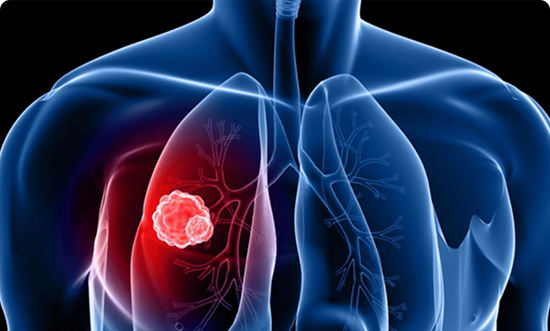
When radon gas breaks down, it forms radioactive particles called radon progeny. These particles attach to dust and moisture in the air. When you breathe them in, they lodge in your airways and lungs and continue decaying there, releasing small bursts of radiation directly into lung tissue.
That radiation damages DNA in lung cells. Most of the time, the body repairs this damage. Over years of repeated exposure, some of it doesn’t get repaired correctly, and that’s where cancer risk starts.
This is a cumulative process. A single day of exposure to a moderately elevated home won’t cause harm. Years of exposure in a home that’s never been tested is a different story.
How Radon Exposure Leads to Lung Cancer
Radon is the second leading cause of lung cancer overall, and it’s the leading cause among people who have never smoked. The Environmental Protection Agency (EPA) estimates radon is responsible for about 21,000 lung cancer deaths every year in the United States, with about 2,900 of those deaths occurring in people who have never smoked (EPA, Health Risk of Radon).
Radon is classified as a known human carcinogen. Worldwide, the World Health Organization attributes between 6% and 15% of lung cancers to radon exposure (CDC/ATSDR summary of WHO radon risk data).
What makes this risk hard to act on is timing. Lung cancer linked to radon typically develops after years of exposure, and there’s no symptom checklist that flags it early. By the time a cough or shortness of breath shows up, the disease has often progressed. For a full rundown of the physical symptoms people report, see our guide to symptoms of radon exposure.
Radon and Smoking Multiply Each Other’s Risk
Radon and smoking don’t just add up. They multiply.
The risk of lung cancer from radon exposure is estimated at 10 to 20 times greater for people who smoke compared with people who have never smoked (CDC/ATSDR). That’s true even for former smokers, whose lung tissue carries lasting risk. For any household with a current or past smoker, radon testing isn’t optional. It’s the single biggest controllable variable left on the table.
Who Faces the Highest Risk
- Children. Their lungs are still developing and they breathe faster relative to their body size, so they absorb proportionally more radiation from the same exposure.
- Long-term basement occupants. Radon settles highest in the lowest level of a home, so bedrooms, offices, or play areas in a basement mean more cumulative exposure.
- Smokers and former smokers. The multiplied risk described above applies here.
- Anyone who has never tested their home. Radon levels have nothing to do with a home’s age, price, or how it looks. Homes across every price range in the Milwaukee area have tested both high and low.

Why You Won’t Feel Any of This Happening
Radon has no smell, colour, or taste, so there’s nothing to notice day to day. (If you’ve ever wondered whether a musty basement smell means radon, it doesn’t read does radon have a smell for what’s actually going on there.)
That absence of warning signs is exactly why so many homeowners put off testing. A home can feel perfectly healthy and still carry a radon level well above the EPA’s action level. The only way to know is a test, not a guess based on how the house feels.
How Common Is Elevated Radon in the Milwaukee Area
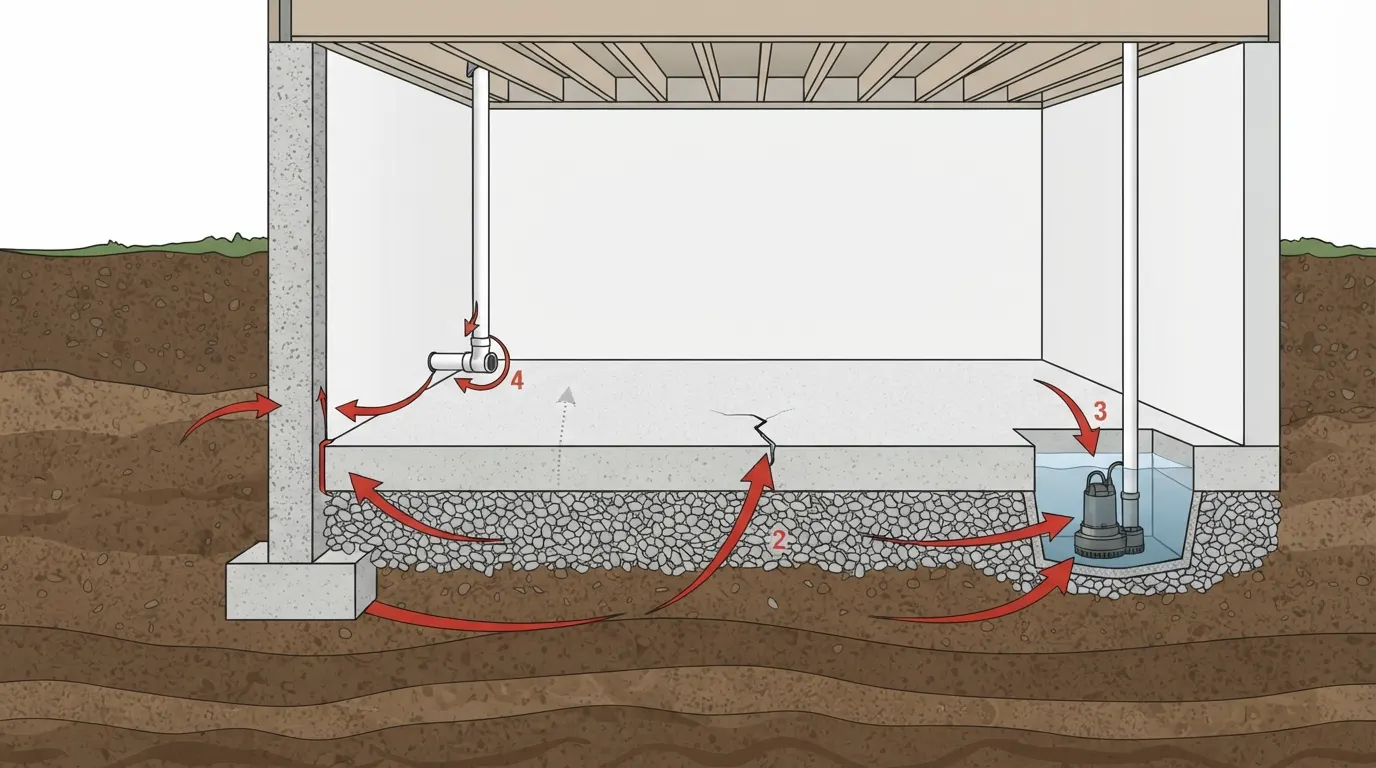
Wisconsin has roughly 962 residents living with radon-induced lung cancer, and about 1 in 10 homes state-wide has an elevated radon level (Wisconsin Department of Health Services). Milwaukee County sits in a mixed radon-potential zone, and glacial till across much of southeastern Wisconsin can transport radon from bedrock into homes built with basements, which describes the majority of housing stock in the Milwaukee area.
Nothing about a specific neighborhood, home age, or foundation type guarantees a safe result. Two homes next door to each other can post very different numbers.

What to Do If You’re Concerned About Radon’s Effects on Your Health
Test first. A short-term test gives you a baseline reading in a few days. It’s inexpensive and it’s the only way to move from guessing to knowing.
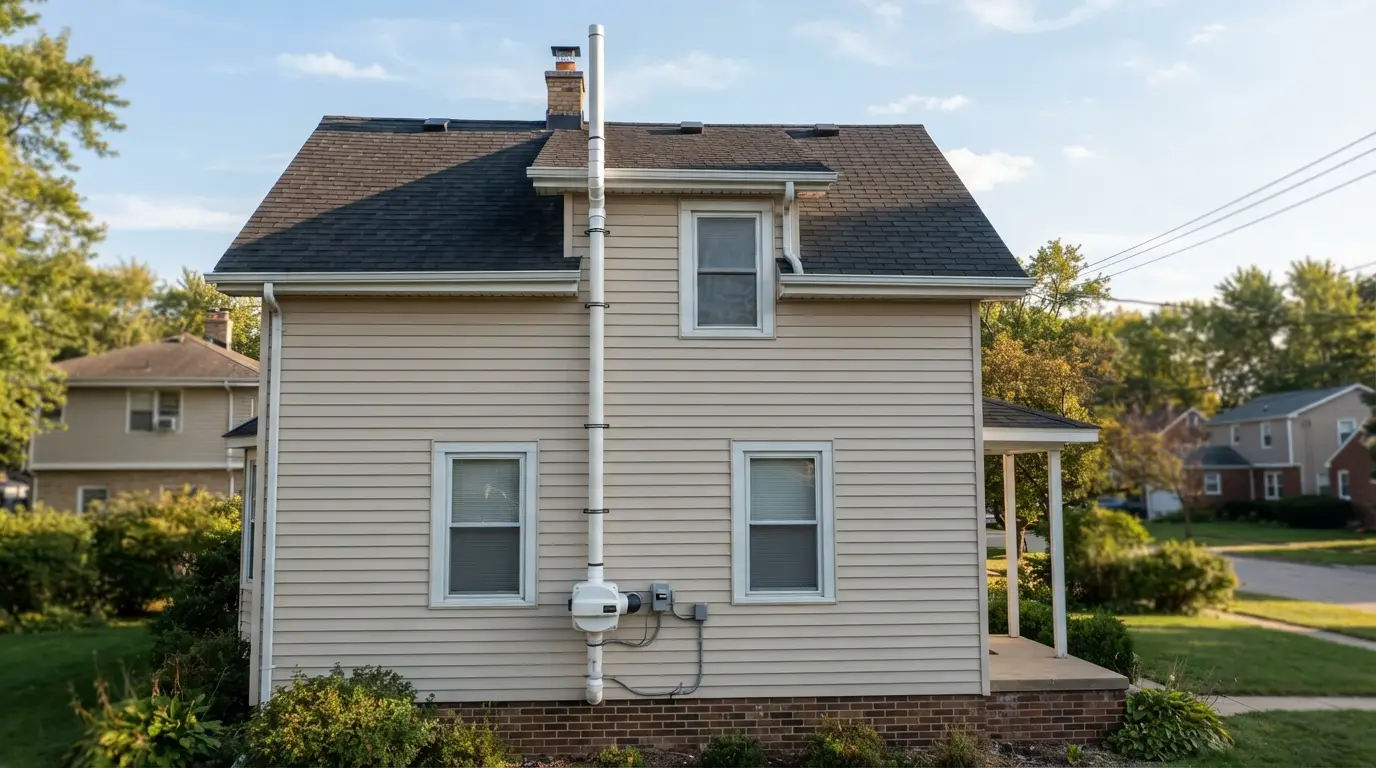
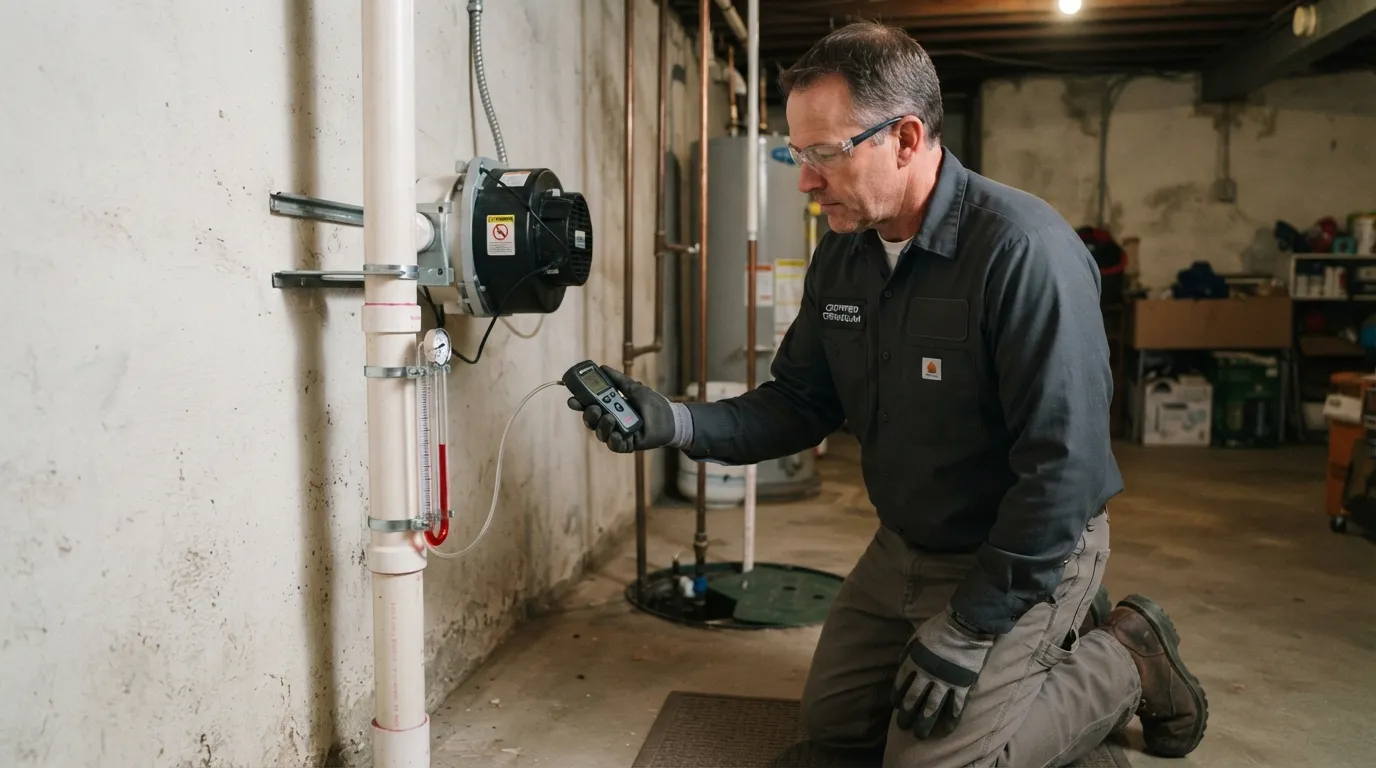
If levels come back elevated, don’t panic, but don’t wait either. An elevated reading means action is needed, not that your home is currently unsafe to live in. Radon mitigation systems typically reduce indoor radon by drawing it out from beneath the home before it enters living space, and most systems bring levels down well below the EPA’s action threshold.
If you’re unsure what an elevated result means for your health, it’s worth a conversation with your doctor, especially if you or anyone in the home smokes or has smoked. Our guide on seeking medical advice after radon exposure walks through what that conversation typically covers.
For the full picture on radon exposure, symptoms, and health risk in one place, see our Radon Health guide.
FAQ
Does a slightly elevated radon reading still affect my health?
Risk increases with both concentration and time, and there’s no level considered completely safe. A reading just above 4 pCi/L carries lower risk than a reading of 20 pCi/L, but many homeowners choose to mitigate even modest elevations for long-term peace of mind.
Can radon cause health problems besides lung cancer?
Lung cancer is the well-established risk. Evidence linking radon to other health conditions is limited, so lung cancer risk is the reason testing and mitigation matter.
If I fix a radon problem now, does that undo past exposure?
Mitigation stops future exposure and lowers ongoing risk going forward, but it doesn’t reverse any cellular damage that may have already occurred. That’s part of why testing early, before years of exposure accumulate, matters more than testing after a problem has already announced itself.
Is radon in well water also a health concern?
Yes, though the primary route of harm is still inhaled radon in air, not swallowed radon in water. Homes on private wells can have an additional radon source worth testing for separately.
How often should I retest after mitigation?
Retest periodically, generally every two years or after any major renovation, to confirm the system is still performing as intended.
Conclusion
Radon’s effects on health come down to one mechanism: radioactive particles damaging lung tissue over years of exposure, with no symptoms to warn you along the way. That’s a serious risk, but it’s also a controllable one. Testing tells you where you stand, and mitigation fixes it if you need to.
If you haven’t tested your Milwaukee-area home yet, or if it’s been a while, Milwaukee Radon Home can test, explain the results in plain terms, and install a system built for your home if one’s needed. Call (414) 455-7279 to get started.