Vapor Intrusion Mitigation Services in Milwaukee, WI
When soil gas carrying solvent or petroleum vapors finds its way under a slab, it can end up in the air your tenants and staff breathe. Milwaukee Radon Mitigation designs and installs vapor intrusion mitigation systems for commercial buildings, redevelopment sites and mixed-use properties across Greater Milwaukee. We use the same proven sub-slab depressurization approach we install for radon, built to the design your environmental consultant and the Wisconsin DNR expect.
- Fast Estimates
- Transparent Pricing
- Clean Installations
- NRPP Certified
- Fast Estimates
- Transparent Pricing
- Clean Installations
- NRPP Certified


What is vapor intrusion mitigation?
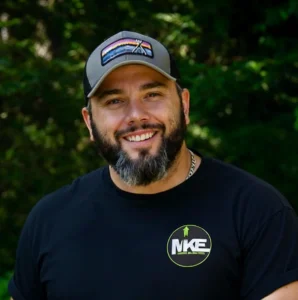
Vapor intrusion mitigation keeps chemical vapors in soil or groundwater from entering a building. Milwaukee Radon Mitigation, led by Brian Thompson, an NRPP-certified radon measurement and mitigation professional in West Allis, WI, installs sub-slab depressurization systems, seals entry points and vents vapors safely above the roofline for commercial properties in Greater Milwaukee.
Why Vapor Intrusion Matters for Milwaukee Property Owners
Milwaukee has a long industrial history. Old dry cleaners, fuel stations, plating shops and manufacturing sites left solvents and petroleum compounds in the ground, and many of those parcels now hold offices, apartments and retail.
Vapors such as trichloroethylene (TCE) or tetrachloroethylene (PCE) can move through soil and into a building the same way radon does: through slab cracks, utility openings and sumps. Because these chemicals are odorless at the levels that matter, sampling by an environmental consultant is the only way to know. When sampling shows a problem, the Wisconsin DNR’s Vapor Intrusion Guidance (RR-800) sets out how sites are assessed and when interim or permanent mitigation is expected. Learn more about what vapor intrusion is.

How Our Vapor Mitigation System Works
A vapor mitigation system works by reversing the pressure under your floor. A fan pulls soil gas from beneath the slab through a sealed pipe and exhausts it outside, so air inside the building is no longer drawing vapors up through the foundation.
Every building is different, so we tailor the system to the slab, the soil and the contaminant data your consultant provides:

Sub-slab depressurization (SSD)
One or more suction points, sized fans and sealed PVC piping vented above the roof. This is the core of most vapor intrusion mitigation systems.
Sealing and entry-point control
Slab cracks, expansion joints, floor drains, sump pits and utility penetrations are sealed so the system can hold negative pressure.
Pressure field extension testing
Before final layout, we run sub-slab communication tests to measure how far suction reaches under the slab, so the design covers the whole footprint, not just the area near the fan.
Monitoring points and manometers
A pressure gauge (manometer) shows the system is running, and we can add sub-slab monitoring points so performance can be verified over time.
Vapor barriers for new builds
On redevelopment projects, a chemical-resistant membrane under the slab can be paired with venting piping. See our guide on vapor barriers vs sub-slab depressurization.
Brian handles all of this himself: system design, installation, sealing, diagnostic and verification testing, and membranes. Vapor intrusion system maintenance agreements are available. We do not collect regulatory air or soil-gas samples; your environmental consultant and their lab do that. See vapor intrusion testing and system verification for who does what.
Who We Install Vapor Mitigation Systems For
Commercial and redevelopment (main focus): Property owners, developers and property managers working through a WDNR-tracked site, a lender’s environmental review or a Phase II finding. We work alongside your environmental consultant, who sets the sampling plan and closure criteria, while we test the slab, build the system and verify its performance.

Homeowners: Homes near a known spill or former industrial site can be affected too. If a consultant or the DNR has contacted you about sampling, call us and we will explain your options plainly.

Radon in the same building: Many commercial buildings need radon work as well. See commercial radon mitigation for larger buildings and multi-fan systems.

Why Choose Milwaukee Radon Mitigation
Certified hands-on specialist: Brian Thompson is an NRPP-certified radon measurement and mitigation professional and does every job himself.
Consultant-friendly: We build to your consultant's design and give them the documentation they need for the file.
Honest scope: One customer wrote that Brian "didn't try to upsell but rather was genuine and honest" (Maria D.V., Google review).
Local and accountable: Based at 6301 W National Ave in West Allis, a short drive from most Milwaukee County sites.
Clean job sites: Reviewers repeatedly note the work area was left spotless.
Licensed, insured, BBB accredited and rated 5.0 on Google (40+ reviews). Certificate of insurance available on request.

Have Vapor Sampling Results in Hand?
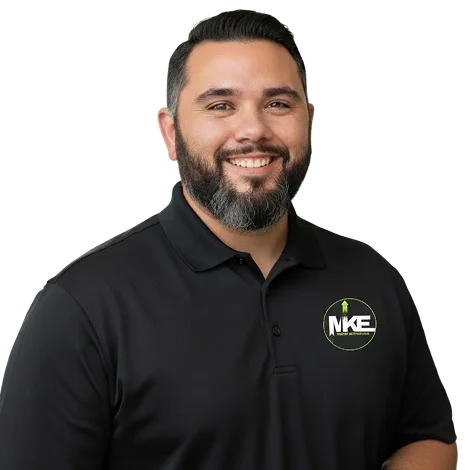
Send us the consultant’s report and building plans, and we will scope a system that fits your site.

Built to Recognized Standards
Our systems follow the same discipline as our radon work: ANSI/AARST installation practice, sealed and labeled piping, exhaust discharged away from windows and air intakes, and a pressure gauge so you can see the system is running. For vapor intrusion sites, design and verification also follow the Wisconsin DNR Vapor Intrusion Guidance (RR-800), updated in January 2026, and EPA’s vapor intrusion resources. Your consultant remains the party who reports to the DNR; we give them as-built details and performance readings.
What Affects the Cost of a Vapor Intrusion Mitigation System
We do not quote a vapor mitigation system until we have seen the building and the data. Price depends on the factors listed here.
Pricing: quoted per job — request a free quote. For a deeper breakdown, read our vapor intrusion mitigation cost guide.
- Slab area and number of suction points: Bigger footprints and tight sub-slab soils need more suction points and fans.
- Sub-slab material: Clean gravel spreads suction well; clay or fill may need more points.
- Contaminant and target levels: Some sites need deeper negative pressure or more monitoring.
- Sealing work: Old slabs with many cracks, trenches and drains take longer to seal.
- Pipe routing: Interior routing through occupied space, or roof penetrations, add labor.
- Monitoring and reporting: Monitoring points, telemetry or extra post-install readings add to scope.
Our Vapor Intrusion Mitigation Process
1. Review the data
We read your consultant's sampling results, site maps and any WDNR correspondence so we understand what needs to be controlled.
3. Install and seal
We install fans, piping and gauges, seal cracks and penetrations, and keep the work area clean so your tenants can keep working.
2. Walk the building and test the slab
Brian inspects the foundation, finds entry points and runs sub-slab communication (pressure field extension) tests to plan suction points.
4. Commission and hand over
We confirm negative pressure across the slab, label the system and give your consultant the readings and as-built notes for their post-mitigation sampling. A maintenance agreement keeps the system checked after hand-over.

1. Review the data
We read your consultant's sampling results, site maps and any WDNR correspondence so we understand what needs to be controlled.

2. Walk the building and test the slab
Brian inspects the foundation, finds entry points and runs sub-slab communication (pressure field extension) tests to plan suction points.

3. Install and seal
We install fans, piping and gauges, seal cracks and penetrations, and keep the work area clean so your tenants can keep working.

4. Commission and hand over
We confirm negative pressure across the slab, label the system and give your consultant the readings and as-built notes for their post-mitigation sampling. A maintenance agreement keeps the system checked after hand-over.
What Our Customers Say
“He didn’t try to upsell but rather was genuine and honest.”
Maria D.V., Google review
“Went above and beyond to create a unique solution for our unique situation.”
Matt F., Google review
Related Services
Vapor Intrusion Testing
Sub-slab diagnostics and system verification, coordinated with your environmental consultant’s sampling.
Commercial Radon Mitigation
Multi-fan radon systems for offices, retail and multifamily buildings.
Radon System Inspection
A check of fans, gauges and seals on an existing system.
Vapor Intrusion Mitigation FAQs
How do you mitigate vapor intrusion?
Most vapor intrusion is mitigated with sub-slab depressurization: a fan draws soil gas from beneath the slab and vents it above the roof, while cracks and openings are sealed so vapors cannot slip inside. New buildings can add a vapor barrier. The design follows your consultant’s data and WDNR RR-800 guidance.
How much does a vapor mitigation system cost?
The cost of a vapor mitigation system depends on slab size, soil under the slab, the number of suction points, sealing work and monitoring needs. Because every site is different, each system is quoted per job after a walk-through and data review; request a free quote. Our cost guide explains each factor.
What does a vapor mitigation system do?
A vapor mitigation system creates lower pressure under the floor than inside the building. That stops soil gas, and the chemical vapors in it, from being pulled indoors through the foundation. The fan exhausts those vapors outdoors above the roofline, where they disperse, and a gauge shows the system is working.
Which companies mitigate vapor intrusion on brownfield sites?
On Wisconsin brownfield sites, vapor mitigation is usually installed by a specialty contractor working with the environmental consultant who manages the DNR file. Milwaukee Radon Mitigation designs and installs SSD systems in Greater Milwaukee and southeastern Wisconsin, runs pre-design diagnostics and verification testing, and coordinates with your consultant.
Talk to an NRPP-Certified Mitigation Specialist
Call Brian at (414) 455-7279 or email milwaukeeradon@gmail.com.
Radon won't wait, why should you?
Contact Milwaukee Radon Mitigation today for expert radon testing, mitigation, and system installation services in Milwaukee, WI. Ensure a healthy indoor environment for your family by reaching out to our certified professionals for reliable and efficient radon solutions.
6301 West National Avenue West Allis, WI 53214
We install vapor mitigation systems across Greater Milwaukee, including West Allis, Wauwatosa, Cudahy, Oak Creek and Brookfield.