
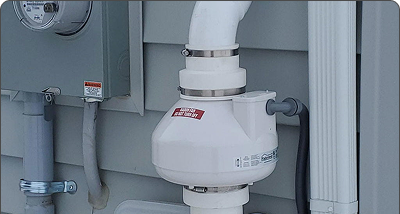
Yes, radon mitigation works. According to the EPA’s Consumer’s Guide to Radon Reduction, a properly designed and installed system can reduce indoor radon levels by up to 99 percent. Most homes reach a final reading well below the EPA’s action level of 4 pCi/L, and the fix typically costs about the same as other common home repairs.
The part that trips people up isn’t whether mitigation works in general. It’s whether their specific system is still working. A system that was designed wrong, installed with a weak fan, or never sealed at an obvious crack can underperform even though the underlying technology is sound. That distinction is the whole answer to this question, and it’s what the rest of this guide breaks down.
Table of Contents
How a Radon Mitigation System Actually Reduces Radon
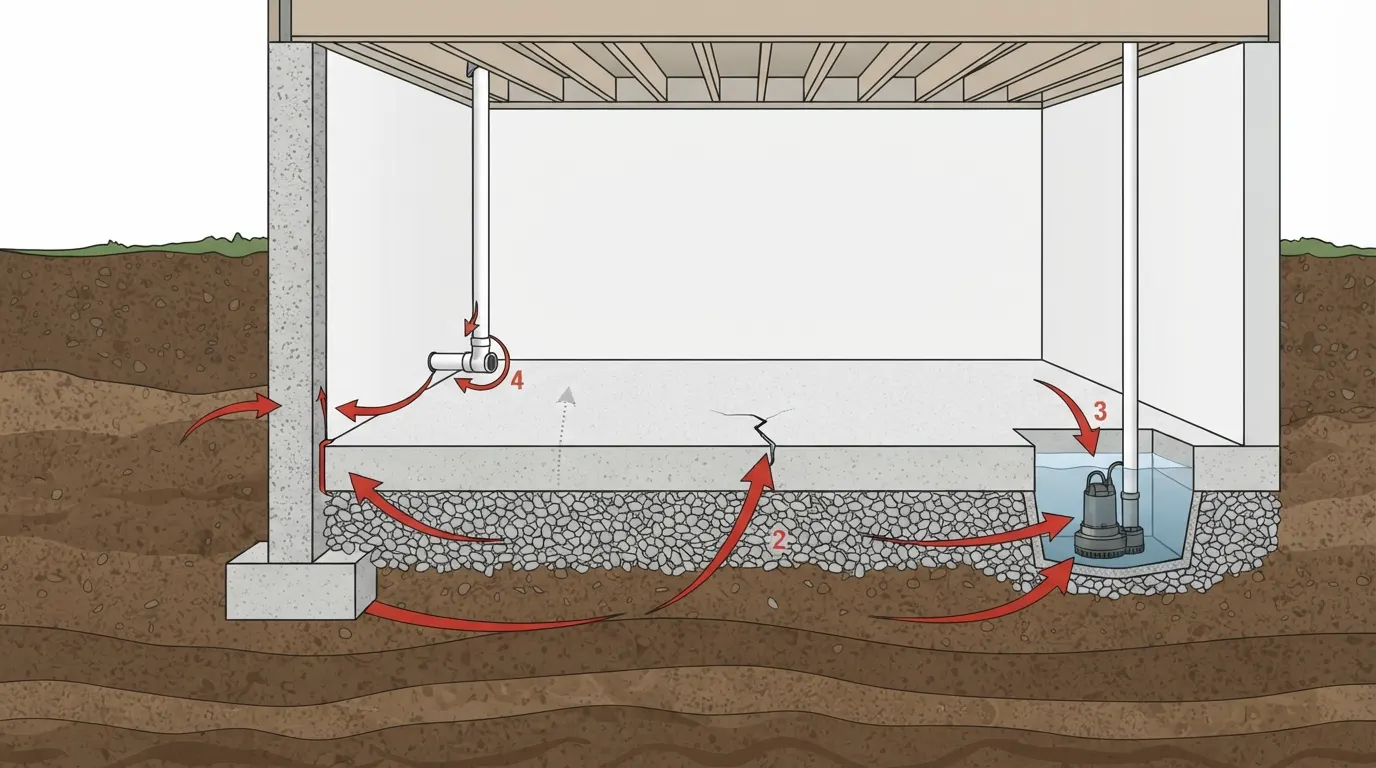
Radon gets pulled into a home because indoor air pressure is usually slightly lower than the pressure in the soil beneath the foundation. Warm air rises and leaks out near the roofline, and that creates a mild vacuum that draws soil gas in through cracks, sump pits, and utility penetrations.
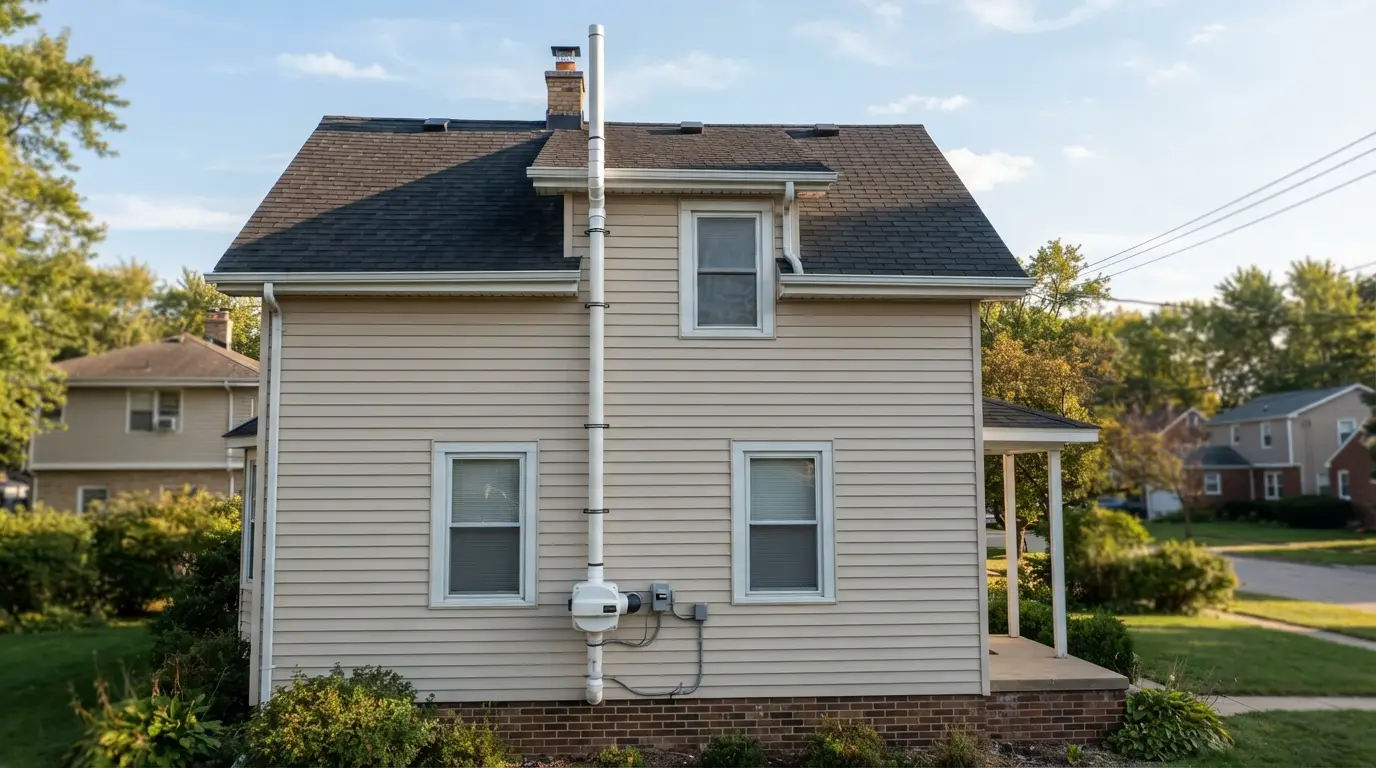
The most common fix, active soil depressurization (ASD), reverses that pressure difference on purpose. A pipe runs from a suction point beneath the slab up through the house and out above the roofline. A continuously running fan pulls air from under the foundation and vents it outside, so radon-laden soil gas leaves the building before it ever reaches living space.
The system isn’t filtering radon out of the air you breathe. It’s giving the gas an easier path outside than inside, which is why a properly sized and sealed system works even though nothing is “trapping” radon indoors.
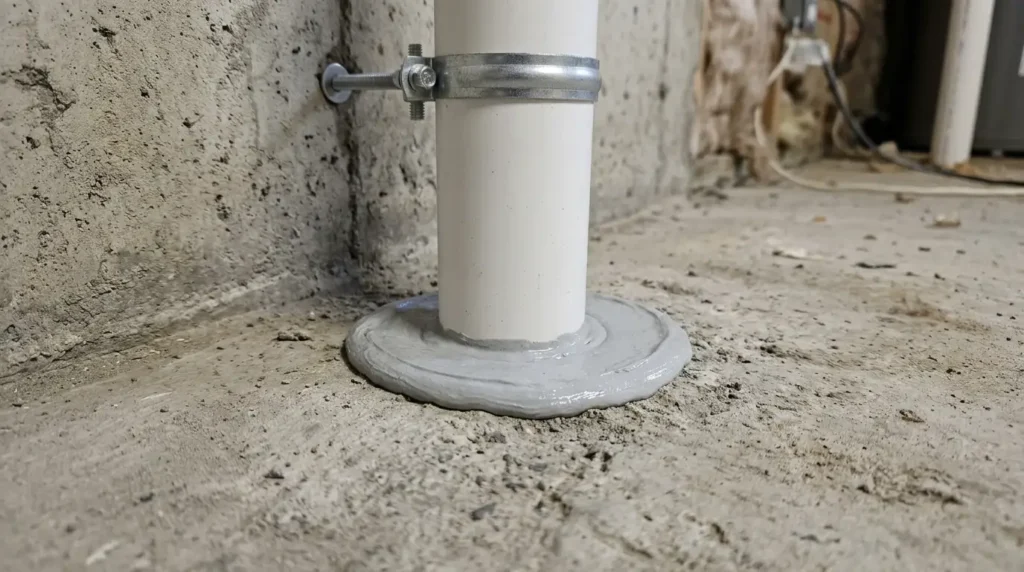
What the Numbers Say About Effectiveness
Field results back up the manufacturer claims. The EPA’s own consumer guidance puts reduction as high as 99 percent for a correctly installed ASD system, and university extension programs that track long-term outcomes report similar results in practice, not just in lab testing.
A handful of variables determine where a given home lands in that range:
- System design matched to the actual foundation type, not a generic template
- Sealing of the largest, most obvious entry points before the system goes live
- A fan sized for the home’s soil resistance, not just its square footage
- Vent routing and discharge height that clears windows and roof openings
- Uninterrupted fan operation, since the system only works while it’s running
Get those five right and a home with a starting reading in the double digits routinely drops to near outdoor background levels.
Why Some People Think Their System Didn’t Work
When someone says mitigation “didn’t work,” there’s almost always a specific, findable reason. It’s rarely that the underlying method failed.
- A design that didn’t account for a slab-on-grade or crawl space layout
- An undersized fan that can’t overcome dense or clay-heavy soil
- Cracked or disconnected piping, often from later renovation work
- A fan that simply wore out and was never replaced
- New foundation cracks that opened after installation and were never sealed
Radon readings also shift with the seasons, typically running higher in winter when homes are sealed up tight. That’s normal, not a sign of failure, and it’s exactly why post-installation testing and periodic retesting matter more than a single number from move-in day.
What Makes a Radon Mitigation System Effective Long Term
Execution is the whole game. A system built to hold up over time follows the same handful of principles regardless of who installs it:
- Creates measurably lower pressure under the slab than inside the home
- Runs continuously, with no gaps in fan operation
- Vents above the roofline, clear of windows and other openings
- Uses fully sealed, airtight piping with no gaps at joints
- Matches suction point count and placement to the soil and foundation type
Homes with finished basements, multiple foundation sections, or crawl spaces often need more than one suction point or a sealed membrane approach. That’s a design decision best made on-site rather than assumed, which is one reason professional installation outperforms a generic kit in homes with anything other than a simple, single-zone basement.
Radon Certification Standards in Wisconsin
Wisconsin does not have a state radon contractor licensing program. The credential to look for instead is certification through NRPP or NRSB, the two national bodies that certify radon measurement and mitigation professionals. Asking whether an installer holds one of these certifications is the practical equivalent of asking about a license in states that regulate the trade directly.
Milwaukee County’s EPA radon potential zone and typical local readings are useful context when deciding how seriously to treat a first test result, and that detail is called out in the mitigation cost and local Milwaukee articles linked below.
How Long Do Systems Last, and When Do They Need Service
The piping itself is largely maintenance-free and can last for decades. The fan is the component that wears out.
Signs a system needs attention:
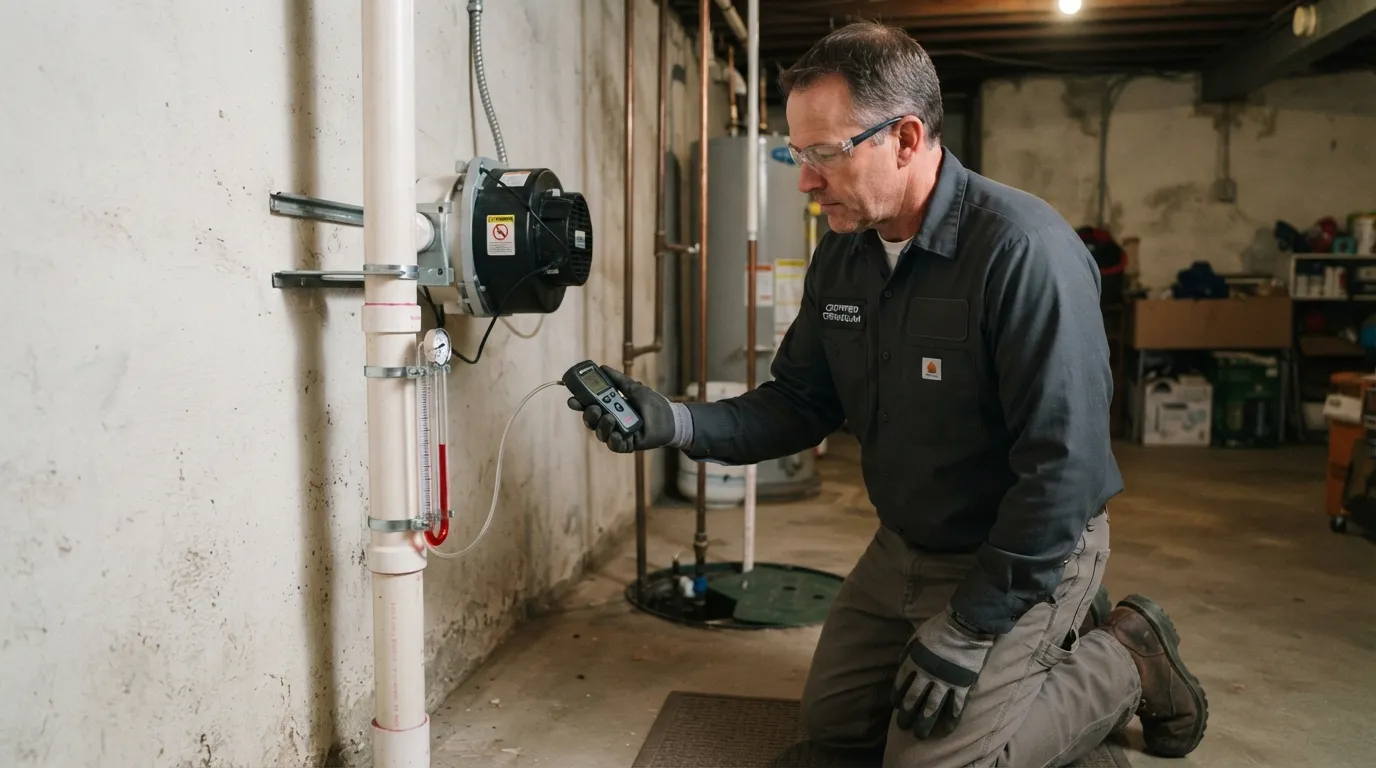
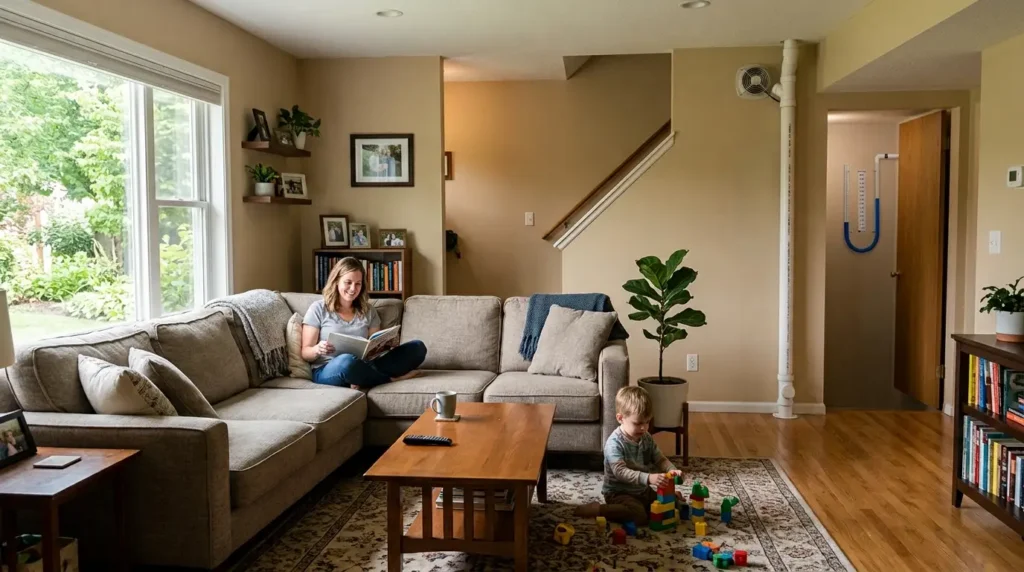
- The system’s pressure indicator shows no difference, or a U-tube gauge reads zero
- Unusual noise from the fan that wasn’t there before
- A retest comes back higher after years of low readings
- Visible damage to piping or vent connections, often after renovation work
A fan swap is routine maintenance, not a sign the system failed. Radon System Repair & Fan Replacement restores performance and often improves efficiency, since newer fans tend to run quieter and use less power.
What Does It Cost, and Is It Worth It
Nationally, the EPA’s consumer guide puts typical installation between roughly $800 and $2,500, depending on foundation type and system complexity. That’s in the same range as other common home repairs, and it’s a one-time cost against a health risk that otherwise persists for as long as the home is occupied.
For a full breakdown of what drives price up or down in a specific home, see the Radon Mitigation Cost guide.
How to Confirm Your System Is Actually Working
Installation isn’t the finish line, it’s the start of monitoring. A short-term test 48 to 120 hours after installation confirms the immediate drop. A longer-term test over several months gives a more accurate year-round picture, since radon levels shift with temperature and barometric pressure.
Most systems include a simple pressure indicator showing the fan is running. Check it periodically, and retest every two years or after any major renovation that could change airflow through the foundation.
Is DIY Radon Mitigation Ever a Reasonable Option
Sealing cracks is a fine supporting step, but it rarely solves a radon problem on its own, and a mis-sized or poorly vented DIY fan setup can leave a home believing it’s protected when it isn’t. DIY Radon Mitigation: Does It Work covers where homeowner-installed fixes hold up and where they typically fall short.
Choosing the Right Professional
Look for NRPP or NRSB certification, ask how they size fans for the specific foundation, and ask what post-installation testing is included. A full walkthrough of what to ask and verify is in How to Hire Certified Radon Mitigation in Milwaukee.
For the full picture of how these systems are designed, installed, and priced, start with the Radon Mitigation Systems pillar guide.
Frequently Asked Questions
Does every home need radon mitigation?
Not every home has high radon but every home should be tested. Radon detection is essential for home safety, and test kits are widely available at home improvement stores, making it easy for homeowners to check their levels.
How fast does a mitigation system lower radon levels?
In most homes levels drop within twenty four to forty eight hours after installation. Follow up testing confirms the long term average.
Can radon levels come back after mitigation?
They can increase if the fan fails or airflow changes in the home. Regular testing helps catch issues early before they become a problem.
Is radon mitigation loud or disruptive?
Modern systems are designed to be quiet. Fans are usually installed outside or in attics and noise inside the home is minimal.
Does mitigation work for crawl spaces?
Yes crawl spaces often benefit from sealed membranes combined with active ventilation. Proper design is essential for success.
Conclusion
Radon mitigation works when it’s designed for the specific home, installed correctly, and kept running. The cases where someone feels let down almost always trace back to a design gap, a worn fan, or a skipped retest, not a flaw in the method itself.
If you’ve tested high or you’re not sure your current system is still doing its job, Milwaukee Radon Home can test, evaluate an existing system, or design a new one for your home. Call (414) 455-7279 for a straight answer.