

To hire a certified radon mitigation professional near you, first confirm elevated radon levels with a professional test.
Then choose a locally certified contractor with verified credentials, clear pricing, post installation testing, and experience installing radon systems in homes similar to yours. In Milwaukee, certified professionals typically charge between$800 and $1,500 for standard radon mitigation systems.
If you have searched for radon information, you already know one thing for sure. Radon is not something to ignore. It is invisible, odorless, and naturally occurring, yet it is one of the leading causes of lung cancer in nonsmokers.
Discovering elevated radon levels in your home can feel unsettling, but it is also the first step toward protecting your family and your investment.
Many homeowners get stuck at the same point. They know they need help, but they are unsure how to choose the right professional. Typing best radon mitigation Milwaukee into a search engine brings up dozens of options. Some look similar.
Some promise fast fixes. Others focus heavily on price. The challenge is knowing who is actually qualified to do the job correctly.
Table of Contents
How to Verify a Certified Radon Mitigation Professional
A certified radon mitigation professional should:
- Hold current national radon mitigation certification
- Follow EPA approved mitigation standards
- Provide proof of licensing and insurance
- Perform post installation radon testing
- Offer written estimates and system warranties
Understanding Radon and Why Certification Matters
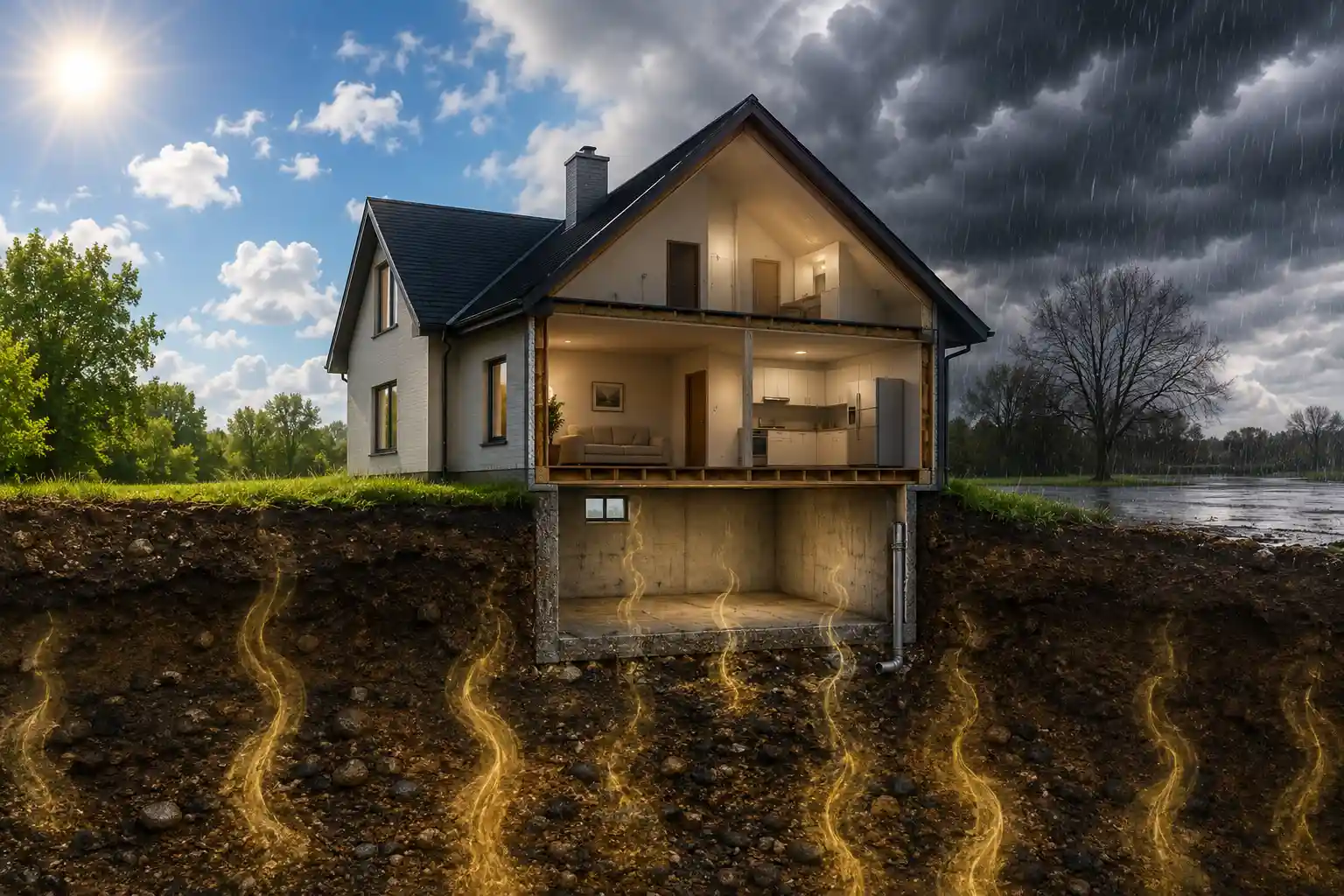
Radon is a radioactive gas released from the natural breakdown of uranium in soil and rock. In Wisconsin, especially in southeastern regions, radon is more common than many homeowners realize. Elevated radon levels Milwaukee WI are frequently found in basements, crawl spaces, and lower living areas.
The risk comes from long term exposure. Radon decays into radioactive particles that lodge in the lungs when inhaled. Over time, this increases the risk of lung cancer. Because there are no immediate symptoms, professional testing and mitigation are essential.
Certification matters because radon mitigation is not a general handyman task. It requires technical knowledge of building science, airflow, pressure differentials, and safety standards. A certified professional understands how to design and install a system that consistently reduces radon without creating new issues such as moisture problems or energy loss.
Certified specialists follow national protocols, use approved materials, and verify results with post mitigation testing. This is why hiring a certified professional is not optional if you want reliable and lasting results.
Step-by-Step: How to Hire a Certified Radon Mitigation Professional
- Conduct a professional home radon test Milwaukee to confirm elevated levels
- Search for best radon mitigation Milwaukee providers with local experience
- Verify certification, insurance, and compliance with radon standards
- Request a written estimate with system design details
- Confirm post installation testing and documentation
- Schedule installation and retest within 72 hours
What Does Certified Radon Mitigation Really Mean?
Certification is not just a label. It represents training, testing, and ongoing education.
A certified radon mitigation professional has completed formal instruction on radon behavior, mitigation system design, and installation standards. They have passed an exam and are required to follow strict codes of practice.
In practical terms, certification ensures that the contractor knows how to evaluate your home, select the correct mitigation method, install it properly, and confirm that radon levels have been reduced to safe ranges.
When searching for radon system installation Milwaukee, certification should be one of the first filters you apply. Without it, you are taking unnecessary risks with both your health and your home.
Confirm You Actually Need Mitigation
Before hiring anyone, confirm that mitigation is necessary. This starts with testing.
A professional home radon test Milwaukee provides accurate measurements of radon concentration, typically expressed in picocuries per liter. The Environmental Protection Agency recommends action if levels are four picocuries per liter or higher.
Testing can be done using short term or long term methods. Short term tests usually last two to seven days and are often used during real estate transactions. Long term tests run for ninety days or more and provide a more accurate annual average.
If your results show elevated radon levels, mitigation is the next step. If you are unsure, a certified professional can review your test results and explain what they mean in simple terms.
Search Locally and Narrow Your Options
Radon mitigation is a local service. Soil composition, building styles, and climate all affect system design. That is why working with a local expert is important.
When searching for best radon mitigation Milwaukee, look for companies that focus specifically on radon services rather than general home improvement. Specialists tend to have deeper experience and better outcomes.
Pay attention to how long the company has been serving the Milwaukee area. Familiarity with local construction types and soil conditions makes a real difference in system effectiveness.
A reputable local professional will also be accessible for follow up testing and future service if needed.
Verify Certification and Credentials
Once you have a shortlist, verify credentials. A certified professional should openly share their certification details.
Ask where they received their certification and whether it is current. Certification bodies require renewal, which ensures that contractors stay up to date with evolving standards.
In addition to certification, confirm that the company is licensed and insured. Insurance protects you in case of accidental damage during installation. Licensing shows compliance with local regulations.
This step may feel formal, but it is essential. True professionals will welcome these questions.
Ask the Right Questions Before You Hire
The quality of your conversation with a contractor tells you a lot about their expertise.
Ask how they plan to reduce radon in your specific home. A good professional will explain their approach clearly rather than offering a one size fits all answer.
Ask what type of system they recommend and why. The most common solution is active soil depressurization, but the design details matter. Placement of pipes, fans, and sealing methods all affect performance.
Ask about post installation testing. Certified professionals always verify results after installation.
Also ask who will perform the work. Some companies subcontract installations. Others use in house technicians. Knowing this helps set expectations.
Understanding Radon Mitigation Systems
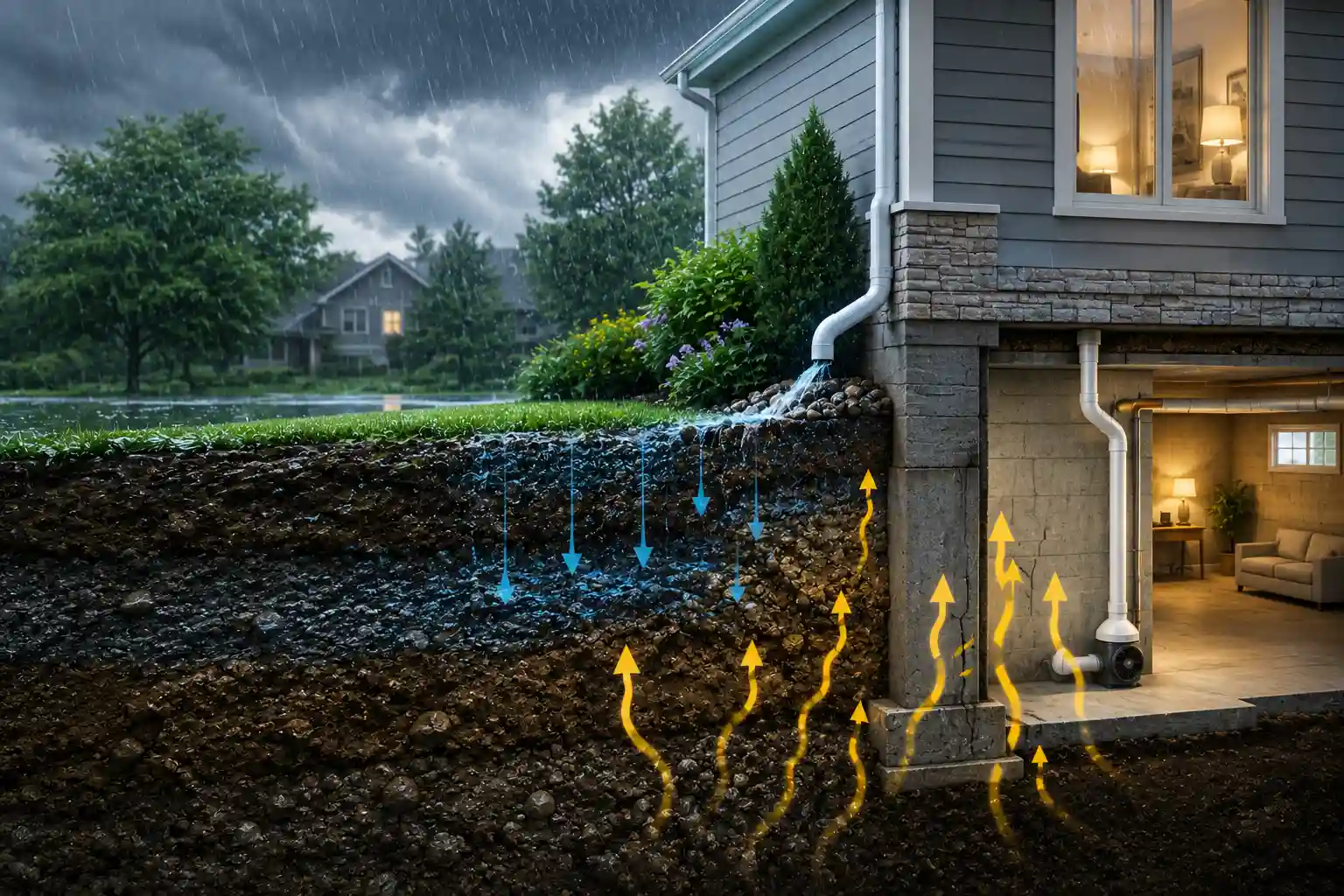
Most residential mitigation systems work by redirecting radon gas from beneath the home to the outside before it can enter living spaces.
A typical system includes a vent pipe, a fan, and sealing of entry points. The fan creates negative pressure under the foundation, pulling radon out safely.
When done correctly, radon levels drop significantly and remain low over time. This process is quiet, energy efficient, and unobtrusive.
A certified professional designs the system based on your foundation type, layout, and existing airflow patterns.
Radon Mitigation Cost Milwaukee: What You Should Expect to Pay
Cost is one of the most common concerns, and understandably so. The good news is that radon mitigation is generally affordable compared to its long term health benefits.
In the Milwaukee area, radon mitigation cost Milwaukee typically falls within a predictable range.
Most standard residential systems cost between eight hundred dollars and fifteen hundred dollars. Homes with complex foundations or multiple entry points may cost more.
Here are realistic pricing examples to help you understand estimates:
- A basic basement mitigation system usually ranges from eight hundred to one thousand one hundred dollars.
- Homes with crawl spaces may range from one thousand to one thousand four hundred dollars due to additional sealing and materials.
- Large homes or those requiring multiple suction points may reach fifteen hundred to two thousand dollars.
- Professional testing before and after installation is often included or offered as an add on for one hundred to two hundred dollars.
A trustworthy professional will provide a clear written estimate and explain what is included.
| Home Type | Estimated Cost Range |
|---|---|
| Standard basement home | $800 – $1,100 |
| Crawl space home | $1,000 – $1,400 |
| Large or complex foundation | $1,500 – $2,000 |
| Pre or post mitigation testing | $100 – $200 |
Why the Cheapest Quote Is Not Always the Best Choice
It is tempting to choose the lowest price, especially when quotes vary. However, radon mitigation is a technical service where quality matters more than savings.
Low cost providers may cut corners by using undersized fans, poor sealing methods, or improper pipe placement. These shortcuts can result in incomplete radon reduction or system failure over time.
A certified professional prices their work to reflect proper materials, skilled labor, and verification testing. This protects you from future repairs and ongoing exposure.
Think of mitigation as an investment in your home and health rather than a quick fix.
How Long Does Radon System Installation Take?
Most radon system installation Milwaukee projects are completed in one day.
Installation time depends on home size, foundation type, and system complexity. A straightforward basement system may take four to six hours. More complex homes may require a full day.
Professionals work efficiently and minimize disruption. In most cases, you can remain in your home during installation.
After installation, the system runs continuously and quietly. Follow up testing confirms success.
What Results Should You Expect After Mitigation?
Effective mitigation significantly lowers radon levels. In many homes, levels drop well below four picocuries per liter.
- Certified professionals aim for the lowest achievable level, often close to outdoor concentrations.
- Post installation testing provides proof that the system works. You should receive documentation of these results.
- If levels are not reduced sufficiently, a reputable contractor will adjust the system until the target is met.
Maintenance and Long Term Considerations
Radon mitigation systems require minimal maintenance. The fan runs continuously and is designed for long term use.
Fans typically last five to ten years. Replacement costs are modest compared to initial installation.
Periodic testing is recommended every two years or after major home changes such as renovations or new HVAC systems.
A good contractor will explain maintenance clearly and remain available for questions.
Why Local Experience Matters in Milwaukee
Milwaukee homes vary widely in age and construction. From older basements to newer developments, each presents unique challenges.
- Local professionals understand regional soil conditions that contribute to Milwaukee radon reduction challenges.
- They also understand seasonal factors that affect radon levels, such as winter pressure differences.
- This local knowledge improves system design and reliability.
Trust Signals to Look for Before You Decide
Beyond certification and pricing, look for signs of professionalism.
Clear communication is key. The contractor should explain technical concepts in simple language.
- Written estimates and documentation show transparency.
- Willingness to answer questions indicates confidence in their work.
- Availability for follow up testing and service shows long term commitment.
If a company encourages you to call with questions, such as 414 455 7279, it reflects accessibility and trust.
The Role of Testing in Ongoing Safety
Even after mitigation, testing remains important.
A home radon test Milwaukee every few years confirms that the system continues to perform as intended.
Testing is especially important after structural changes, finishing a basement, or installing new ventilation systems.
Testing keeps you informed and protected.
Making the Final Decision With Confidence
By this point, you should feel equipped to make an informed decision.
You know what certification means, how to evaluate experience, what fair pricing looks like, and which questions matter.
Hiring a certified radon mitigation professional is not about fear. It is about control. You are taking a proactive step to improve indoor air quality and protect everyone who lives in your home.
When you choose a qualified local expert, you gain peace of mind along with measurable results.
Frequently Asked Questions
How do I know if a radon mitigation professional is truly certified?
A certified professional will provide proof of current certification and explain their training. You can also verify credentials through recognized certification organizations. Avoid contractors who hesitate or avoid this question.
Is radon mitigation effective in older Milwaukee homes?
Yes, mitigation is effective in homes of all ages. Older homes may require tailored system designs, but certified professionals regularly reduce radon levels successfully in historic and older properties.
How soon after installation should I retest my home?
Post installation testing is usually done within twenty four to seventy two hours after the system has been running. This confirms that radon levels have been reduced and the system is working properly.
Can radon levels increase again over time?
Radon levels can change due to soil conditions or home modifications. Regular testing every two years helps ensure continued safety and system performance.
Does radon mitigation increase energy costs?
Energy impact is minimal. Modern fans are energy efficient and typically add only a small amount to monthly utility bills while providing significant health benefits.
Conclusion
Hiring a certified radon mitigation professional near you does not have to be confusing or stressful. When you understand what certification means, what questions to ask, and what realistic costs look like, the process becomes straightforward.
Milwaukee homeowners face unique radon challenges, but proven solutions exist. A properly designed and installed system reduces radon levels reliably and protects your indoor environment for years to come.
Focus on experience, certification, transparency, and local knowledge rather than shortcuts. With the right professional, radon mitigation becomes a simple and effective step toward a healthier home.