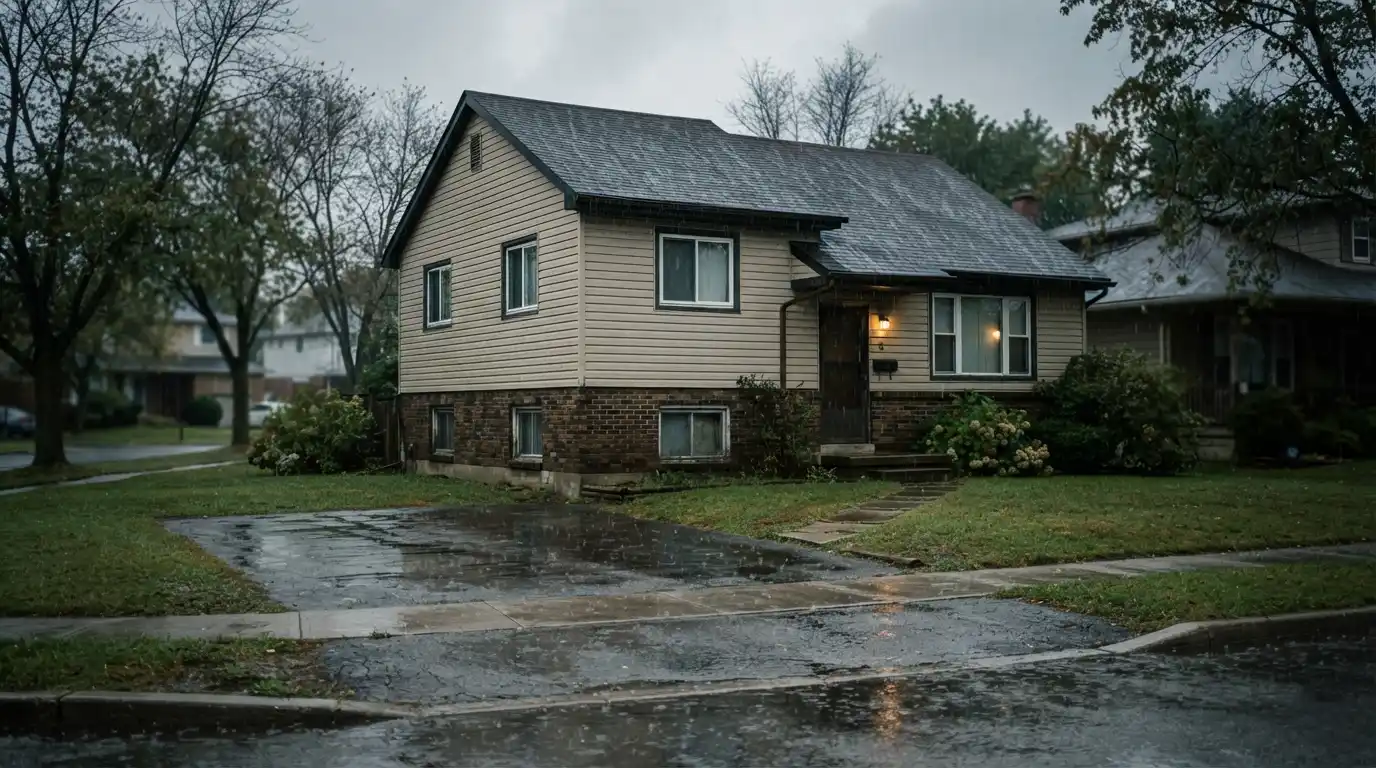

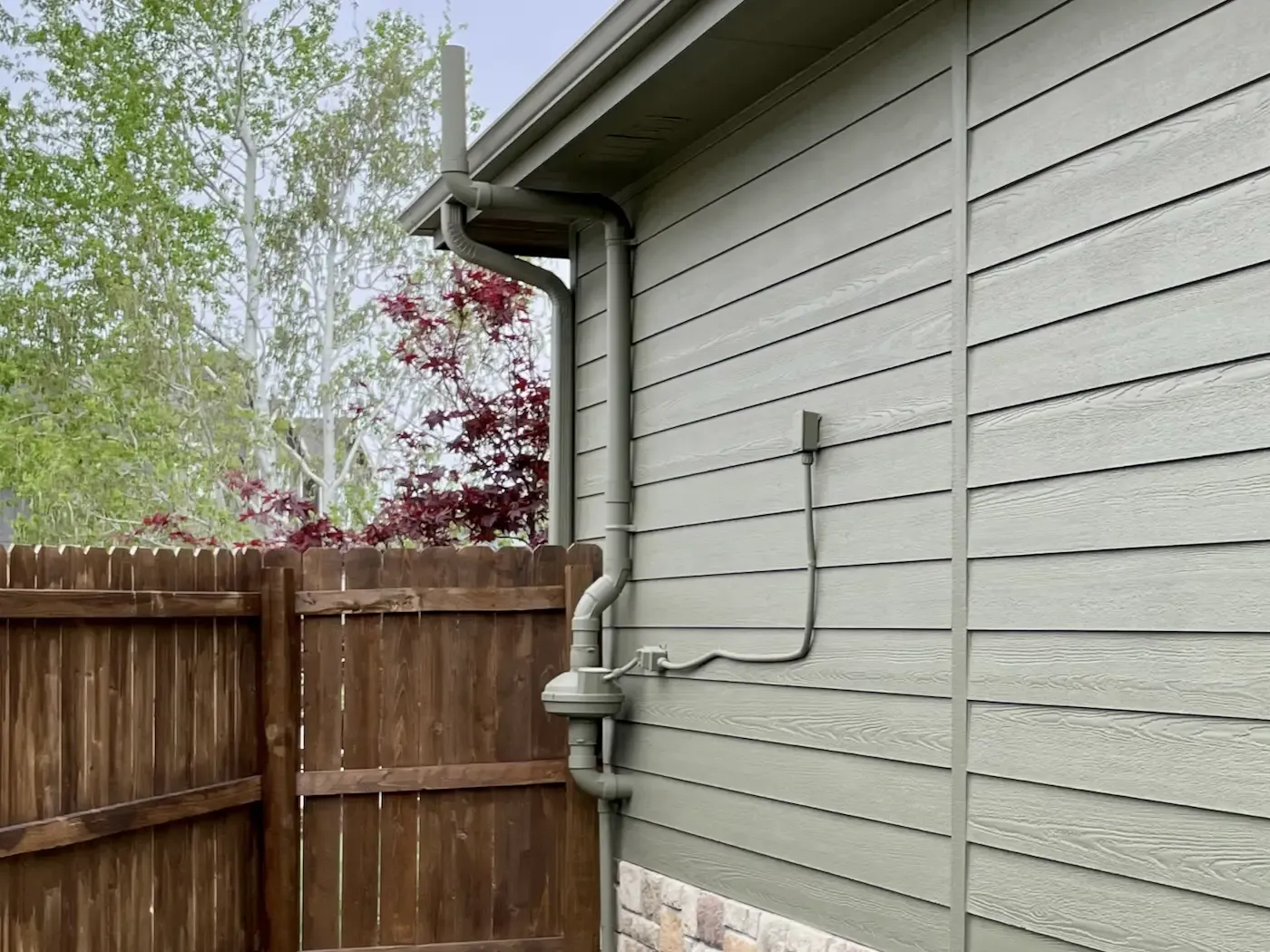
Yes, buying a house with an existing radon mitigation system is generally considered a “green flag”. It indicates that the seller took proactive measures to ensure indoor air quality and saves you the time, expense, and disruption of installing one yourself.
Table of Contents
Buy a House with a Radon Mitigation System
Yes, buying a house with a radon mitigation system is generally a good sign, not a red flag. It means the seller already identified and addressed elevated radon gas, and a working system typically keeps indoor levels below the EPA’s 4.0 pCi/L action level. Before closing, confirm the system was installed by a certified professional, request maintenance records, and retest to verify current performance.
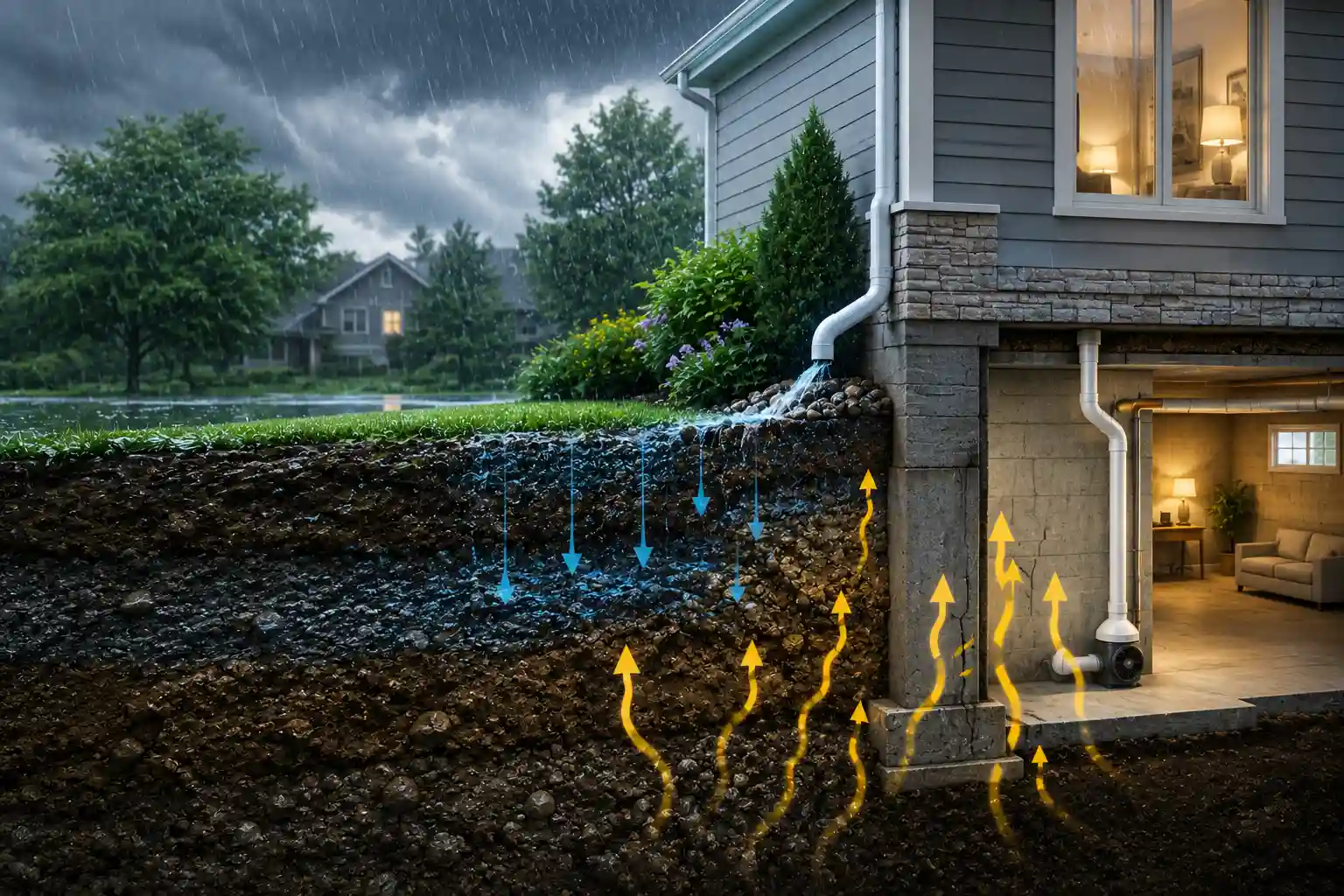
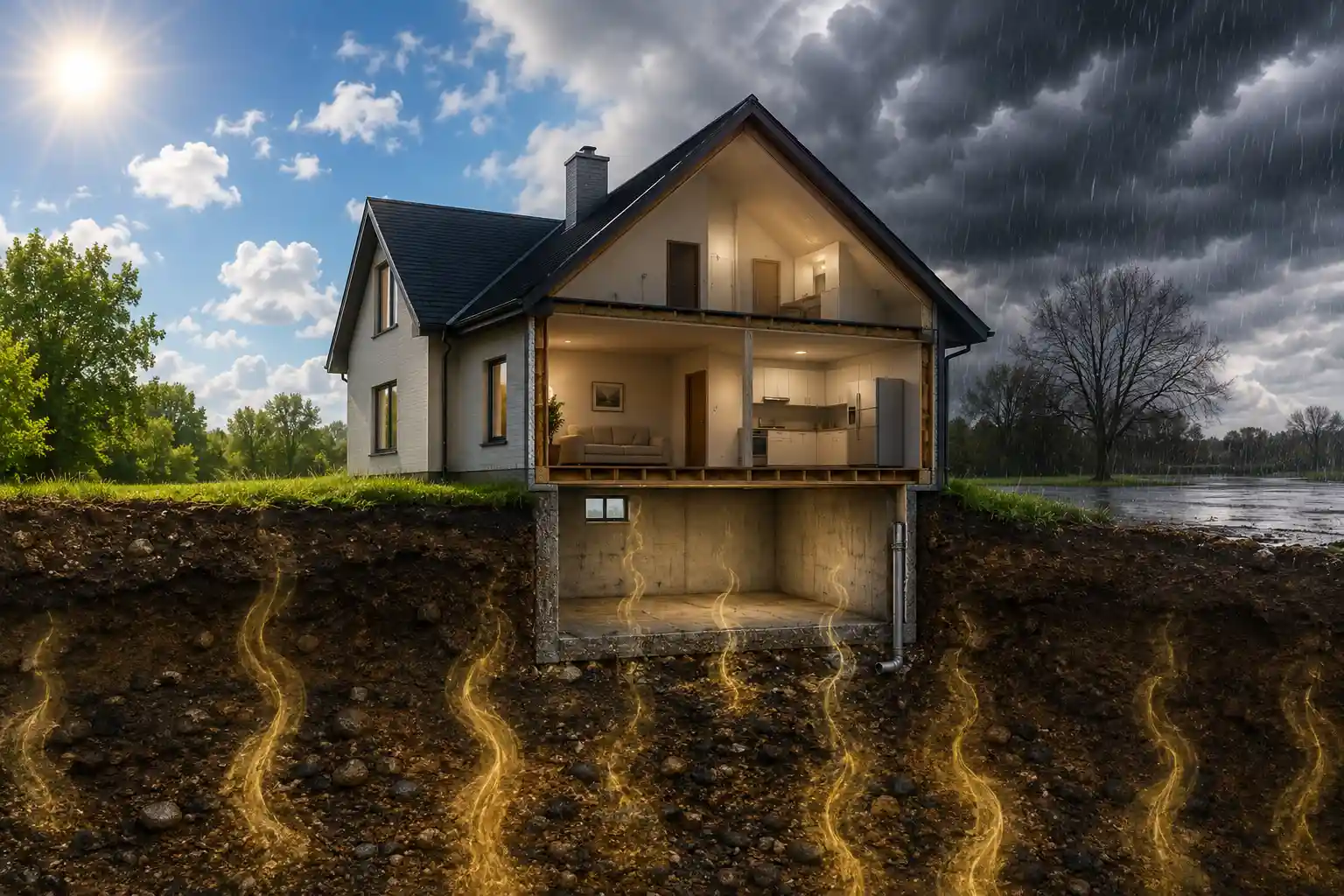
Radon is a radioactive, odorless gas that seeps up from soil through foundation cracks and openings. It’s the second-leading cause of lung cancer in the United States after smoking, according to the EPA. A house that already has a radon mitigation system in place has taken the single most effective step toward solving that problem.
This guide covers exactly what to check, what questions to ask, and how to protect yourself when you buy a house with a radon mitigation system in Wisconsin markets like Whitefish Bay, West Allis, Wauwatosa, and South Milwaukee.
What Does a Radon Mitigation System Actually Do?
A radon mitigation system reduces indoor radon concentration using sub-slab depressurization. A pipe is routed from beneath the foundation slab, through the house, and vented above the roofline.
A radon fan pulls soil gas from under the slab and exhausts it outdoors before it enters living space. Properly installed systems typically reduce radon levels by 80–99%.
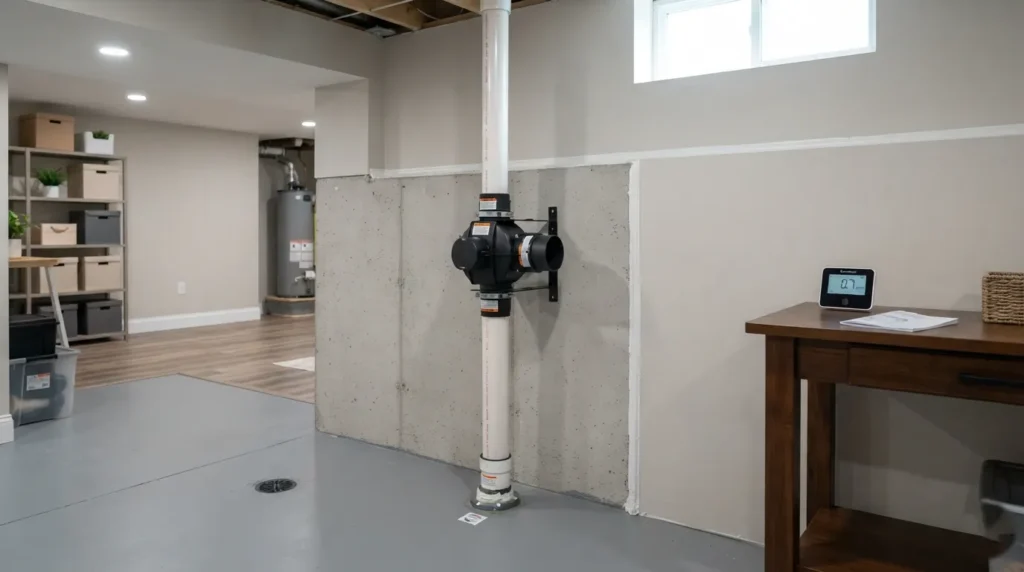
Key components to look for during a walkthrough:
- A vertical vent pipe running to the roofline
- An inline or exterior-mounted radon fan
- A U-tube manometer gauge showing system pressure
- A system label with installer name, certification number, and install date
Is It Safe to Buy a House with a Radon Mitigation System?
Yes. A properly functioning, professionally installed system is a permanent, low-maintenance fix. Homes with an active mitigation system are often safer, radon-wise, than homes that have never been tested at all.
The key word is “functioning.” A system that’s damaged, unpowered, or improperly sized will not protect the home. That’s why verification matters more than the system’s mere presence.
What to Check Before Closing
1. Confirm the System Was Installed by a Certified Professional
Radon mitigation should only be performed by contractors certified through the National Radon Proficiency Program (NRPP) or the National Radon Safety Board (NRSB). Ask the seller or listing agent for the mitigation contractor’s certification number and installation date.
Systems should follow ANSI/AARST standards (AARST-SGM-SF for single-family homes). Non-compliant DIY installs are common red flags undersized fans, unsealed sump pits, or pipes vented too close to windows.
2. Request the Post-Mitigation Test Results
A credible installer performs a post-mitigation radon test within 30 days of activating the system. Ask for that report. It should show levels at or below 4.0 pCi/L, ideally well below 2.0 pCi/L.
If no post-mitigation test exists, treat the system as unverified.
3. Order Your Own Radon Test During the Inspection Period
Never rely solely on a seller’s paperwork. Commission an independent radon test during your home inspection contingency, using a licensed, unbiased tester with no financial ties to the seller or listing agent.
Closed-house conditions are required for accurate results weather and ventilation both affect readings, so testing protocol matters.
4. Check the System Is Actually Running
Look at the manometer gauge on the vent pipe. The indicator fluid should sit within the manufacturer’s marked normal range. If the gauge shows no pressure differential, the fan may have failed or been unplugged.
Listen for the fan. A running radon fan produces a low, continuous hum. Silence usually means the system is off or the fan has died.
5. Ask About System Age and Maintenance History
Radon fans typically last 5–10 years. Replacement costs run a few hundred dollars depending on fan model and accessibility.
Ask when the fan was last replaced and whether annual system inspections have been performed. A documented maintenance history signals a well-cared-for system.
Should You Negotiate Based on the Radon System?
If the system is verified, professionally installed, and tested below the EPA action level, it typically adds value rather than reducing it comparable to a home already having central air or a newer roof.
If verification is missing, negotiate:
- A pre-closing radon retest paid by the seller
- A home warranty rider covering the mitigation system and fan
- A price credit to cover system inspection or fan replacement
Does a Mitigation System Guarantee Zero Radon?
No. Mitigation reduces radon; it doesn’t eliminate it completely. Studies on system effectiveness consistently show properly maintained systems keep levels well under 4.0 pCi/L, but ongoing monitoring is still required.
The EPA recommends retesting every two years, after any renovation that disturbs the foundation, and after any HVAC changes.
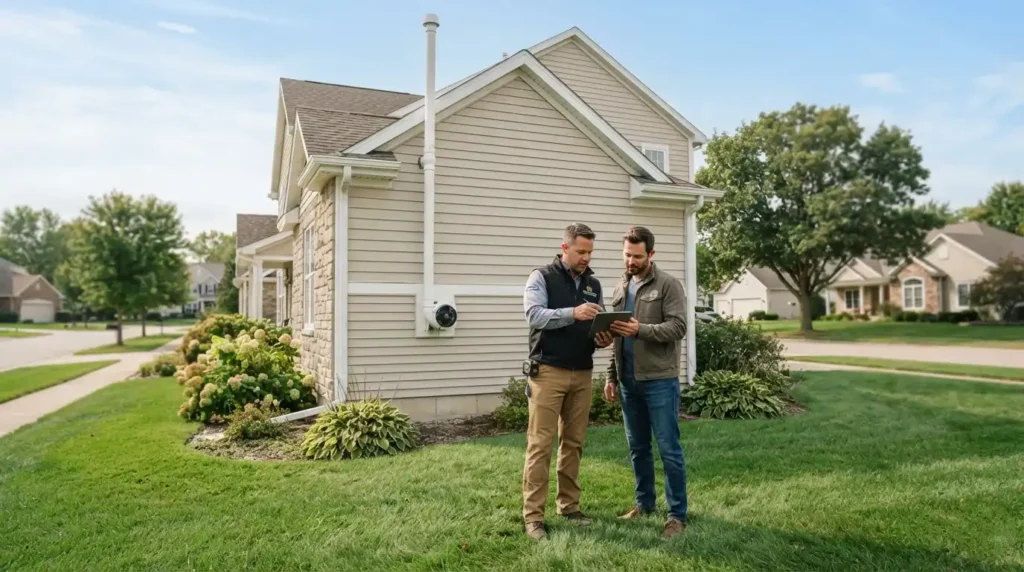
Buying in Whitefish Bay, West Allis, Wauwatosa, or South Milwaukee
Southeastern Wisconsin sits in an EPA Zone 1 high-radon area, meaning predicted average indoor levels exceed 4.0 pCi/L. Older housing stock in Whitefish Bay, Wauwatosa, West Allis, and South Milwaukee much of it built on basements with fieldstone or block foundations is especially prone to soil gas infiltration.
Because of this, a documented, certified mitigation system in these markets is a meaningful asset, not a liability, as long as it’s verified functional at the time of sale.
FAQ
Is a house with a radon mitigation system a red flag?
No. It shows the previous owner addressed a known health hazard. The concern is only whether the system is currently working and was installed correctly.
How much does a radon mitigation system cost to install?
A typical sub-slab depressurization system costs $800–$2,500 depending on foundation type, home size, and fan placement. Costs are usually lower than post-sale remediation negotiated after closing.
Can I test radon levels myself before buying?
Yes, short-term DIY test kits exist, but for a real estate transaction, use a certified, independent tester whose results carry weight in negotiations and hold up to scrutiny.
What is the EPA action level for radon?
4.0 picocuries per liter (pCi/L). The EPA and World Health Organization both state there is no fully “safe” level, but 4.0 pCi/L is the threshold that triggers a recommended mitigation action.
How often should a radon mitigation system be inspected?
Annually, per AARST guidance. Check the fan, manometer reading, and vent pipe integrity, and retest radon levels at least every two years.
Conclusion
Buying a house with a radon system is not a deal breaker. It can actually be a good sign when the system is working and the latest test results are low. Ask for records, test before closing, and make sure the system is properly maintained. A clear radon report can turn uncertainty into confidence.