
Quick answer: To get rid of radon, test first, then install an active radon mitigation system (usually sub-slab depressurization) that vents soil gas above the roof, and retest to confirm. Sealing, fans and air purifiers alone do not reliably lower radon. Brian Thompson of Milwaukee Radon Mitigation (NRPP-certified radon measurement and mitigation professional, West Allis, WI) fixes high radon homes across Greater Milwaukee.
Key takeaways
- You cannot remove radon from the ground, but you can keep it out of your living space.
- EPA recommends fixing your home at 4.0 pCi/L or higher and considering it between 2 and 4 pCi/L.
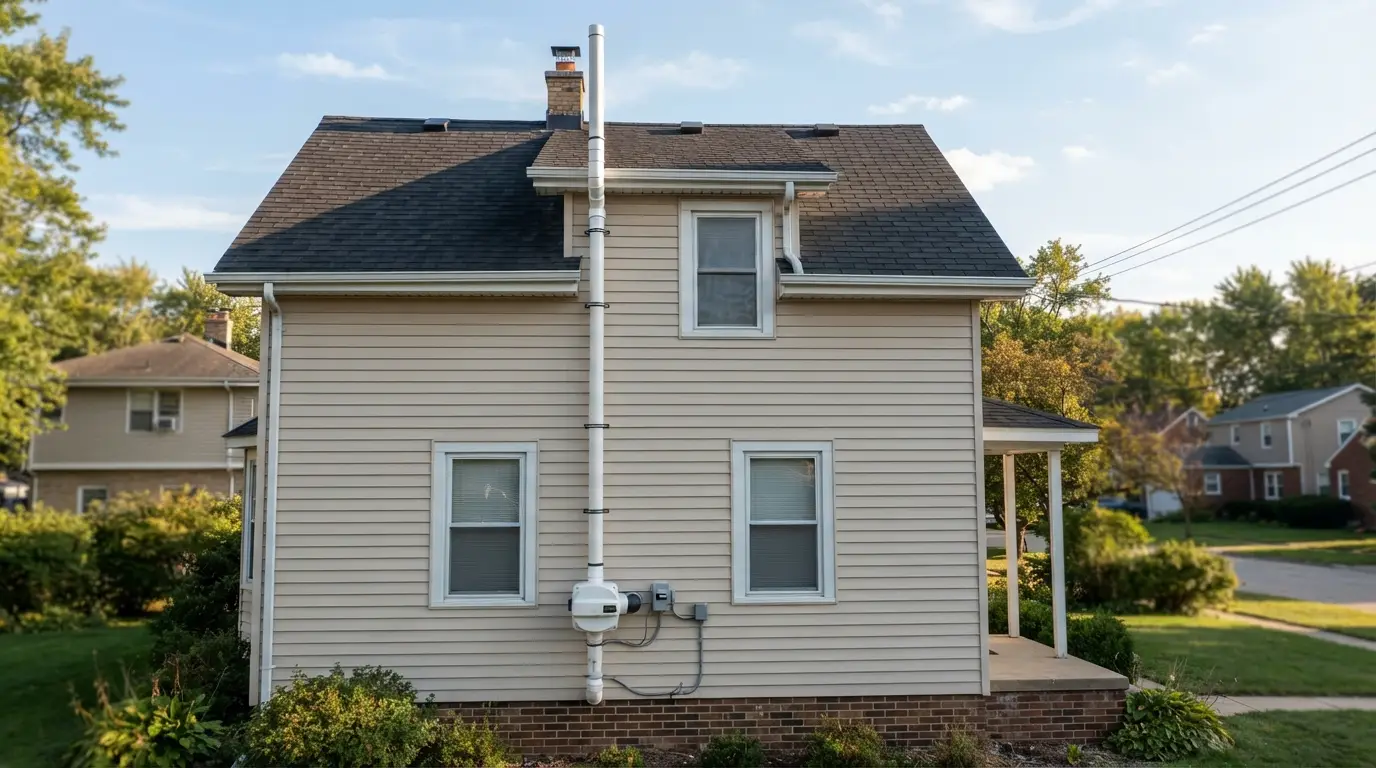
- Active sub-slab depressurization is the method EPA describes as most common for basements and slabs.
- Sealing and ventilation help, but rarely solve a high reading by themselves.
- Test, fix, retest: the three steps that actually work.
In this guide
- The 3-step plan: test, fix, verify
- Ranked: radon reduction methods from most to least effective
- Quick ways to reduce radon levels in your home
- What does not work
- Getting rid of radon in a Wisconsin home
- FAQ
The 3-step plan: test, fix, verify
Radon is produced continuously by uranium in the soil and rock under your house. That is why “getting rid of radon” really means keeping it from building up indoors, all the time.
Step 1: Test
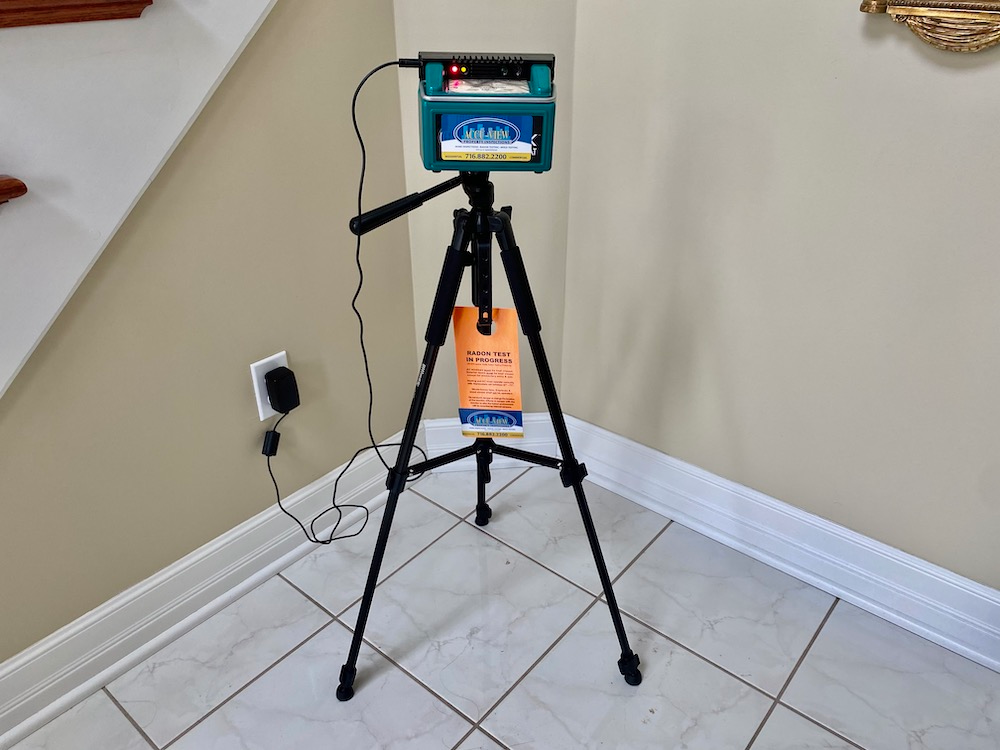
You cannot see, smell or taste radon, so a test is the only way to know your level. Test the lowest livable level of the home. A professional test with a continuous radon monitor runs at least 48 hours, with results right after. A radon testing service in Milwaukee is the fastest route if you are on a deadline, such as a home sale.
Step 2: Fix
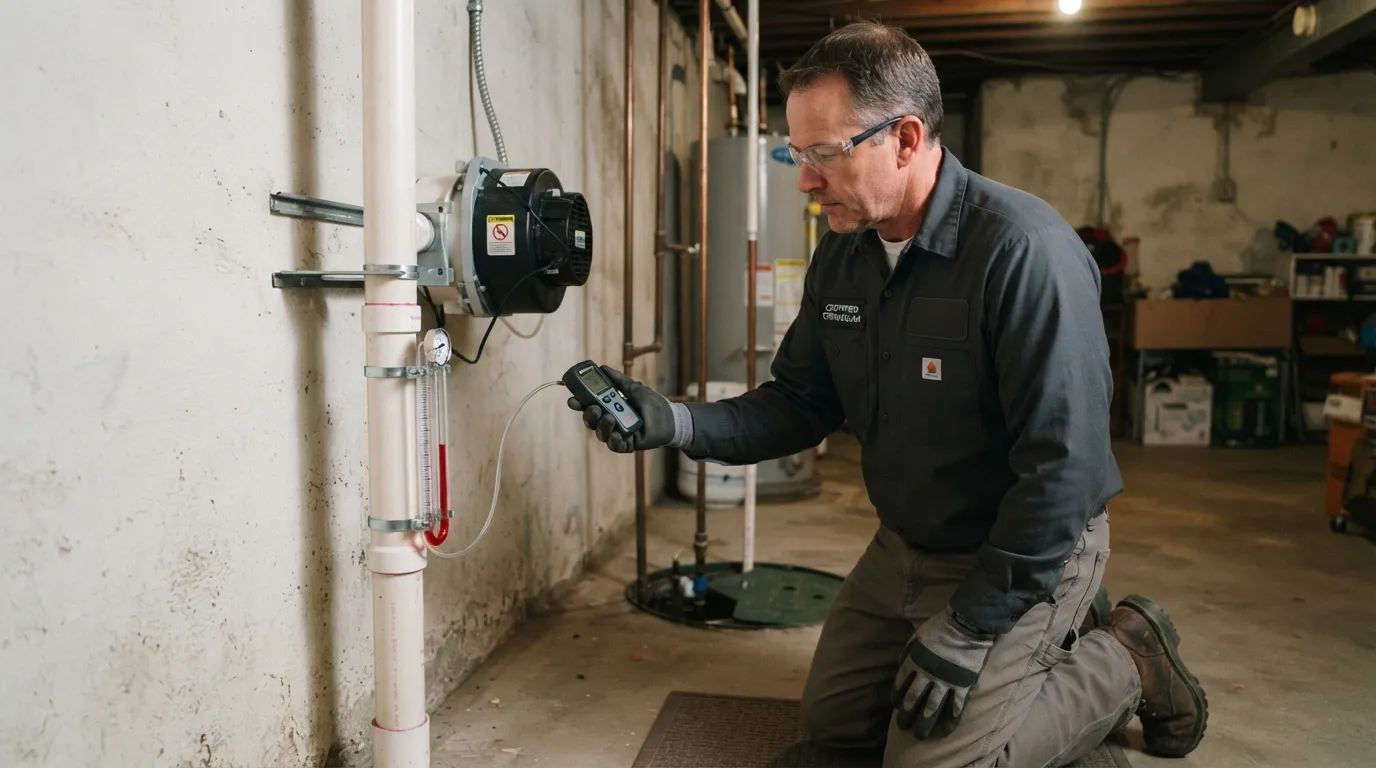
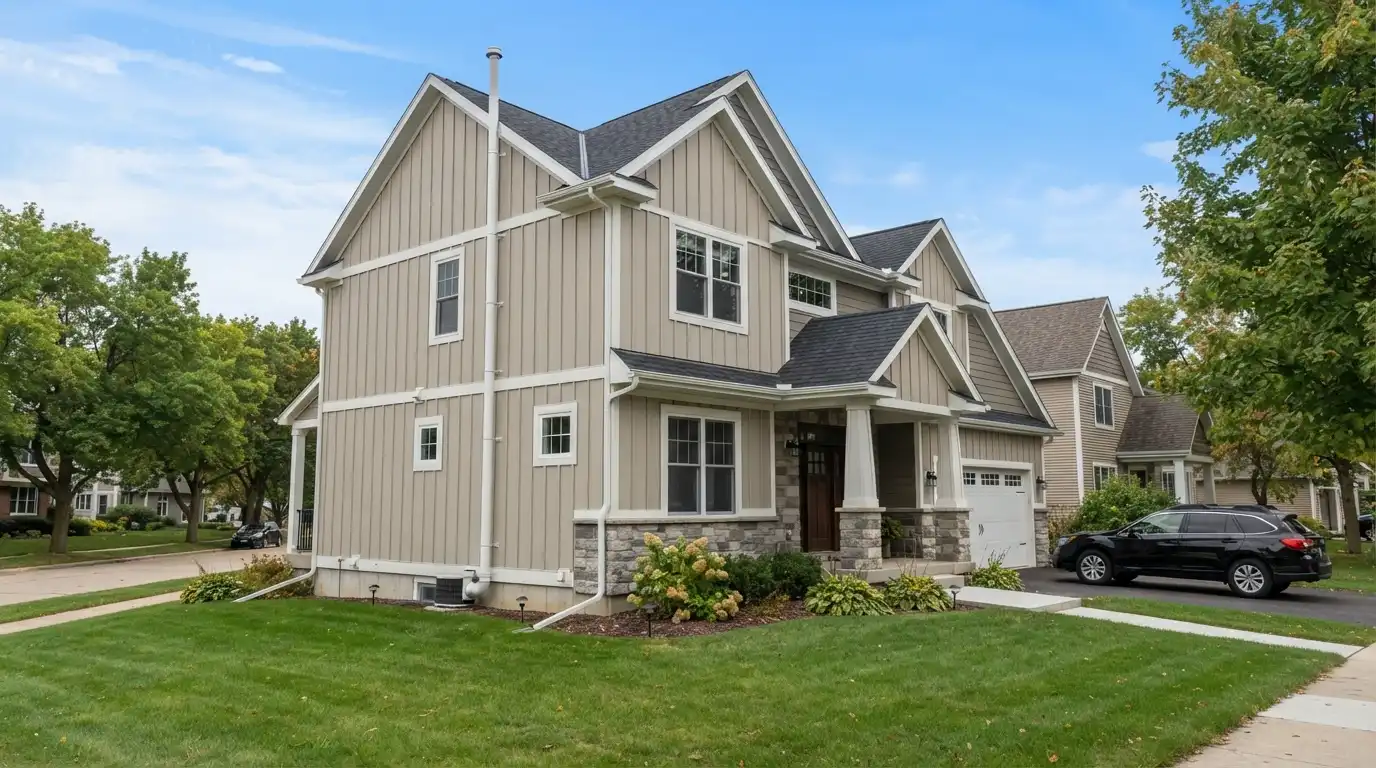
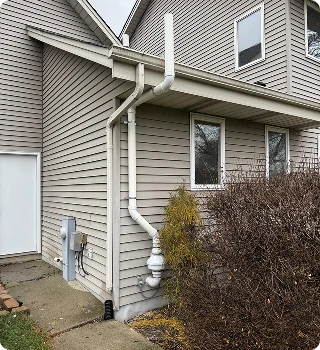
If your result is 4.0 pCi/L or higher, EPA recommends fixing the home. Between 2 and 4 pCi/L, EPA says to consider it. The fix that works in most homes is an active mitigation system: a fan pulls soil gas from under the slab and vents it above the roof. Crawl spaces get a sealed membrane with suction under it.
Step 3: Verify
After the system is running, retest (no sooner than 24 hours after the fan starts, per ANSI/AARST practice). With us, that follow-up test is included and done within 30 days of installation. Then retest every 2 years, as EPA recommends, and after any big renovation.
Ranked: radon reduction methods, most to least effective
| Method | How well it lowers radon | Best use |
|---|---|---|
| Active sub-slab depressurization (ASD) | Most reliable for basements and slabs | Most Milwaukee-area homes |
| Sub-membrane depressurization | Very effective when well sealed | Crawl spaces |
| Sump-pit or drain-tile suction | Effective when sealed and designed right | Homes with a sump or drain tile |
| Passive stack (no fan) | Some reduction; less predictable | New construction; can be upgraded with a fan |
| HRV / ERV ventilation | Can help in specific cases | Tight homes, small reductions |
| Sealing cracks and the sump | Helps other methods; little on its own | Always as a support step |
| Opening windows | Temporary dilution only | Short term, mild weather |
| Air purifiers | Not a radon fix | Not recommended for radon |
Want to know how the top method works in detail? Read how radon mitigation systems work.
Quick ways to reduce radon levels in your home
If you are waiting on an install, or your level is just over the line, these steps can help a little in the meantime. None of them replaces a mitigation system for a high result.
- Seal the sump pit with an airtight, removable lid. Open pits are a direct path for soil gas.
- Caulk obvious cracks in the slab and the joint where the floor meets the wall.
- Cover floor drains that are dry or have no trap seal. Brian uses Dranjer floor drain seals where needed.
- Spend less time in the basement until it is fixed, especially sleeping there.
- Bring in outdoor air where practical, with windows on the lowest level or a balanced ventilation system.
- Do not seal your home tighter without testing again. Tightening a house can change radon levels.
These are the “quick and effective methods” people ask about. They are quick; they are not reliably effective. A test after any change is the only way to know.
What does not work (and why people try it)
Air purifiers. Radon is a gas, not dust. Ordinary purifiers do not remove it from the air you breathe, and EPA does not recommend them as a radon fix.
A basement window fan. Blowing air out of a basement can actually lower the indoor pressure and pull more soil gas in. Blowing air in can help a little, but it is costly to run in winter and still unreliable.
Dehumidifiers. Useful for moisture, not for radon.
Sealing alone. EPA states that sealing has not been shown to lower radon significantly or consistently on its own. Concrete keeps cracking, and the floor-wall joint can never be sealed perfectly.
Waiting. Radon does not “air out” over time. The source is the ground, and it keeps producing gas.
Why it is worth fixing
EPA and the U.S. Surgeon General identify radon as the second leading cause of lung cancer after smoking. Lowering your level lowers your long-term exposure. If you have health questions about past exposure, talk to your doctor; a radon contractor cannot give medical advice.
Getting rid of radon in a Wisconsin home
Wisconsin DHS reports that about 1 in 10 Wisconsin homes has high radon. Here is how the plan above plays out locally:
- Testing in winter is common here. Closed windows and doors during a Wisconsin winter match the closed-house conditions a valid test needs.
- Low-cost kits are available. Wisconsin has 17 Radon Information Centers with low-cost test kits. For a documented result, a professional continuous monitor test runs at least 48 hours, with results right after and a written report.
- Selling or buying? Testing is not required for a Wisconsin real estate deal, but DHS highly recommends it, with at least a 48-hour test under closed-house conditions.
- Daycares: since March 2023, Wisconsin DCF requires licensed child care providers to test and mitigate above the EPA action level. Brian tests and mitigates licensed child care centers, home daycares and schools.
- Cold-weather design. A system here has to keep working at well below zero. Pipe slope and routing matter.
We test and mitigate across Milwaukee, Waukesha and Ozaukee counties, including radon mitigation in New Berlin. One result worth sharing: Steve L.’s home went from about 7.1 pCi/L to about 1.1 pCi/L after his system was installed. Ready for the permanent fix? See our radon mitigation system installation in Milwaukee.
Got a high result?
Tell us your number and your home type. Brian will explain the simplest fix and send a free written quote.
FAQ
Do air purifiers clear out radon?
No. Radon is a radioactive gas, and standard air purifiers are designed to catch particles, not to remove radon from your home. EPA does not recommend air cleaners as a way to fix high radon. The reliable fix is an active mitigation system that keeps soil gas from entering in the first place, confirmed with a retest.
Can you permanently get rid of radon?
Not from the ground, because uranium in soil keeps producing it. You can keep it permanently low inside your home with a mitigation system that runs 24/7. The pipe and seals last for many years; the fan will eventually need replacing, typically after 7 to 12 years in Brian’s experience. Retest every 2 years, as EPA recommends, to make sure levels stay low.
How do you get rid of radon in a basement naturally?
Opening basement windows and bringing in outdoor air can dilute radon while the air is moving, but the level returns when you close up. That is not practical through a Wisconsin winter. Sealing the sump and cracks helps a little. For a lasting result in a basement, an active sub-slab depressurization system is the dependable option.
How quickly can radon levels be lowered?
An active system usually starts lowering levels within hours of the fan turning on. Confirm with a post-mitigation test run no sooner than 24 hours after the system starts. With us, quotes usually come the same day or within 24 hours, and a standard install takes about 4 hours.
Sources
- EPA: A Citizen’s Guide to Radon
- EPA: Consumer’s Guide to Radon Reduction
- Wisconsin DHS: Radon
- Wisconsin DHS: Radon and Real Estate
- CDC: Radon