
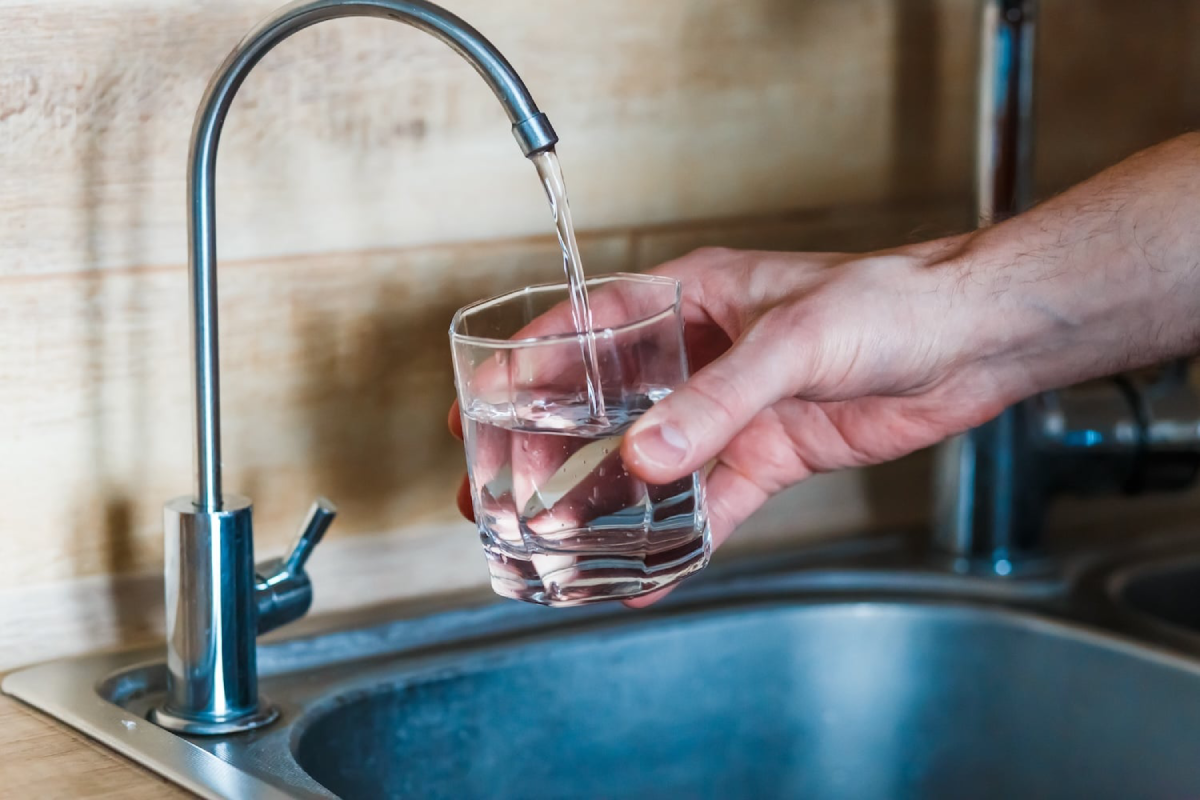
Quick answer: Radon in well water is radon gas dissolved in groundwater that is released into your indoor air when you shower, wash dishes or run laundry. Every Wisconsin well has some. The Wisconsin DNR says to test your air first, and if air is above 4 pCi/L, have your well water tested by a certified lab.
Key takeaways
- The main risk from radon in well water is breathing it after it escapes from the water, not drinking it.
- Test indoor air first. Wisconsin DNR recommends a water test when air is above 4 pCi/L.
- Water samples go to a lab, such as the Wisconsin State Laboratory of Hygiene, or through a Radon Information Center.
- WDNR says to consider treating a well above 4,000 pCi/L. Aeration is the most effective option.
- Homes on city water rarely need a water test. Surface water from lakes and rivers is consistently low in radon.
In this guide
- How radon gets into well water
- Is it safe to drink well water with radon?
- How to test well water for radon
- What your water results mean
- How radon is removed from well water
- Radon in well water in the Milwaukee area
- FAQ
How radon gets into well water
Radon comes from the natural decay of uranium in rock and soil. When groundwater moves through that rock, some radon dissolves into it. A private well pulls that water straight into your home, gas and all.
City water is different. Municipal systems that draw from Lake Michigan start with surface water, and the Wisconsin DNR notes that lakes, streams and rivers have consistently low radon. Water that sits in treatment plants and storage tanks also loses radon along the way.
According to the Wisconsin DNR, the highest radon levels in groundwater are found where water moves through granite or granitic sand and gravel, which is most common in north-central and northwestern Wisconsin. That does not mean southeast Wisconsin wells are radon-free. The DNR is clear that every well has some radon and testing is the only way to know the level.
Is it safe to drink well water with radon?
For most homes, drinking the water is the smaller part of the risk. The bigger part is what happens when radon leaves the water and enters the air you breathe.
When water is sprayed, heated or agitated, dissolved radon escapes. Showers, dishwashers, washing machines and running taps all release it. EPA estimates that only about 1–2 percent of the radon in indoor air comes from drinking water, so soil gas through the foundation is still the main source in most houses (EPA).
That said, swallowed radon is not harmless. The Wisconsin DNR explains that radon in drinking water can reach the stomach, intestines, liver and lungs through the bloodstream. It cites an EPA estimate that water with 20,000 pCi/L of radon carries about the same lifetime cancer risk as air at 4 pCi/L.
If you are worried about a health effect, talk to your doctor. This article explains exposure, not medical advice.
Does bottled water fix the problem?
Only partly. Bottled water lowers what you swallow, but radon still escapes from your well water at the shower and the laundry. The DNR makes the same point.
How to test well water for radon
The order matters. Start with the air, then decide on the water.
Step 1: Test your indoor air
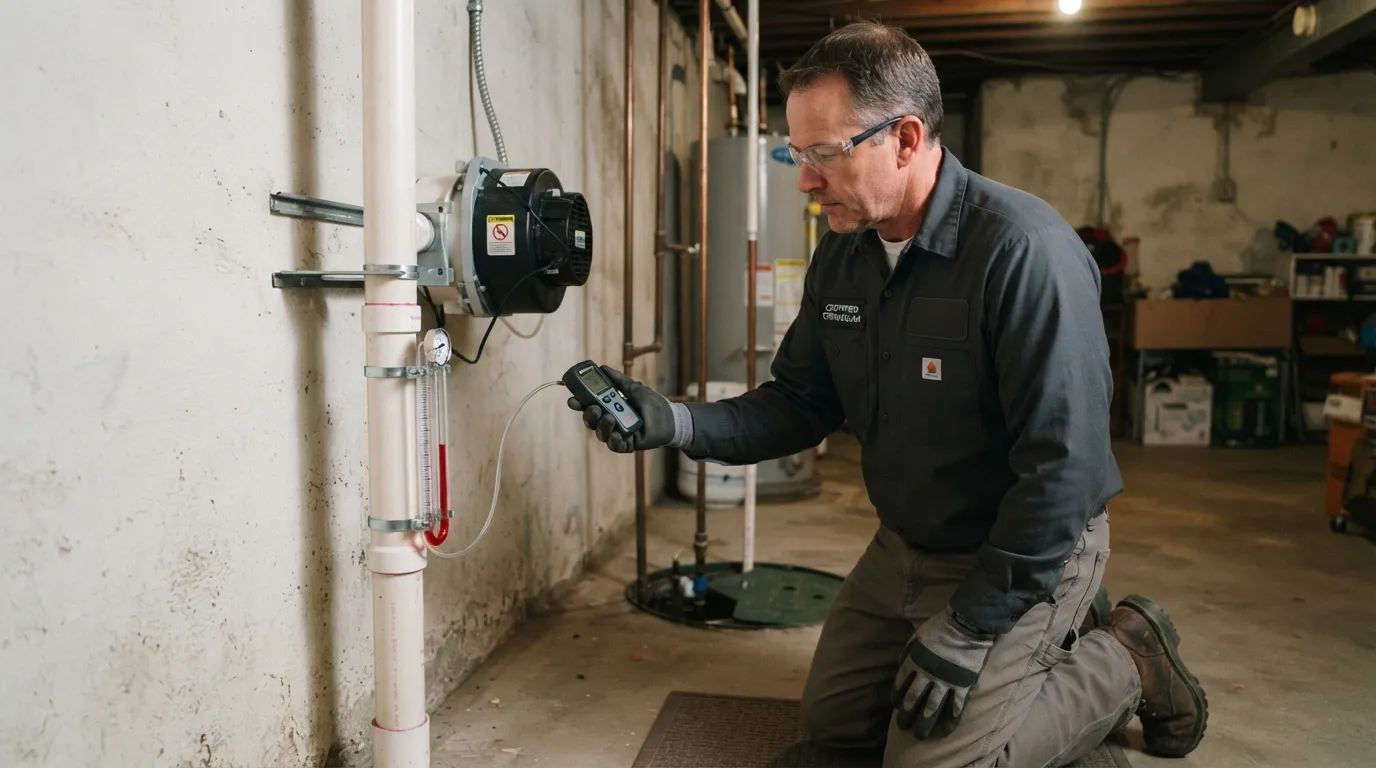
Air is where most of your radon exposure happens. A short-term test of at least 48 hours in the lowest lived-in level, with windows and doors closed, gives a first reading. Brian uses professional continuous radon monitors (Ecosense RadonEye Pro) for at least 48 hours, with results right after. You can also use a store kit labeled “Meets EPA Requirements.”
If you want a professional air test, see our radon testing service in Milwaukee.
Step 2: If air is above 4 pCi/L, test the water
Wisconsin DNR recommends testing well water when your air result is above the EPA action level of 4 pCi/L. Water testing is done in a lab, not with an air monitor.
- Where to get a kit: a Wisconsin Radon Information Center (there are 17 statewide) or the Wisconsin State Laboratory of Hygiene.
- How to sample: follow the lab’s instructions exactly. Radon escapes from water fast, so labs give specific steps for running the tap, filling the vial without air bubbles and shipping quickly.
- Timing: ship the same day you sample unless the lab says otherwise.
Water test checklist
- ✔ Air test done in the lowest livable level
- ✔ Air result above 4 pCi/L, or you want a full picture
- ✔ Lab kit ordered with its own instructions
- ✔ Sample taken from a cold tap before any treatment equipment, unless the lab says otherwise
- ✔ Sample shipped the same day
Milwaukee Radon Mitigation doesn’t collect or test water samples. Order your well-water radon test directly from a certified lab, and we’ll take care of the air side.
What your water results mean
Water results are reported in picocuries per liter (pCi/L), the same unit used for air. The numbers are much larger, though, because only a small share of the radon in water ends up in the air.
| Water result | What the guidance says | Typical next step |
|---|---|---|
| Below 4,000 pCi/L | WDNR gives no treatment trigger at this level | Focus on lowering air radon; retest the air after any mitigation |
| 4,000 pCi/L or higher | WDNR says you “should consider modifying your water supply” | Talk to a water treatment professional; check DSPS plumbing approval |
| Any level, with high air radon | Soil gas is usually the bigger source | Fix the air first with a soil depressurization system, then retest |
You may see the number 300 pCi/L online. That was a maximum contaminant level EPA proposed in 1999 for public water systems, with an alternative level of 4,000 pCi/L for states running indoor-air radon programs. It was a proposal for public systems, not a rule for private wells (EPA).
Private wells in Wisconsin are the owner’s responsibility. No agency tests them for you.
New to the unit? Our guide to what pCi/L means explains air radon levels in plain terms.
How radon is removed from well water
If your water is high, treatment happens at the point where water enters the house, so every tap and shower is covered. The Wisconsin DNR lists these options:
| Option | How it works | Notes from WDNR |
|---|---|---|
| Aeration | Bubbles or sprays the water so radon escapes and is vented outdoors | Most effective option; WDNR puts a typical system around $3,500; must be designed for iron, iron bacteria and hardness |
| Granular activated carbon (GAC) | Carbon traps radon as water passes through | Effective but often needs pretreatment; at 4,000 pCi/L and above, used filters can build up radiation and need careful disposal |
| Connect to public water | Replace the well supply | Depends on whether a main is nearby |
| New well | Drill a different well | Last resort; costly and no guarantee of lower radon |
Two more points from the DNR. Small under-sink or pitcher filters are not enough for radon. And aeration and GAC systems must be approved by the Wisconsin DSPS plumbing program, so ask any installer about that approval.
Water treatment is a different trade from air mitigation. We don’t test or treat water: if your well water comes back high, Brian refers you to a water-treatment specialist, and we focus on the radon in your home’s air.
Fix the air or the water first?
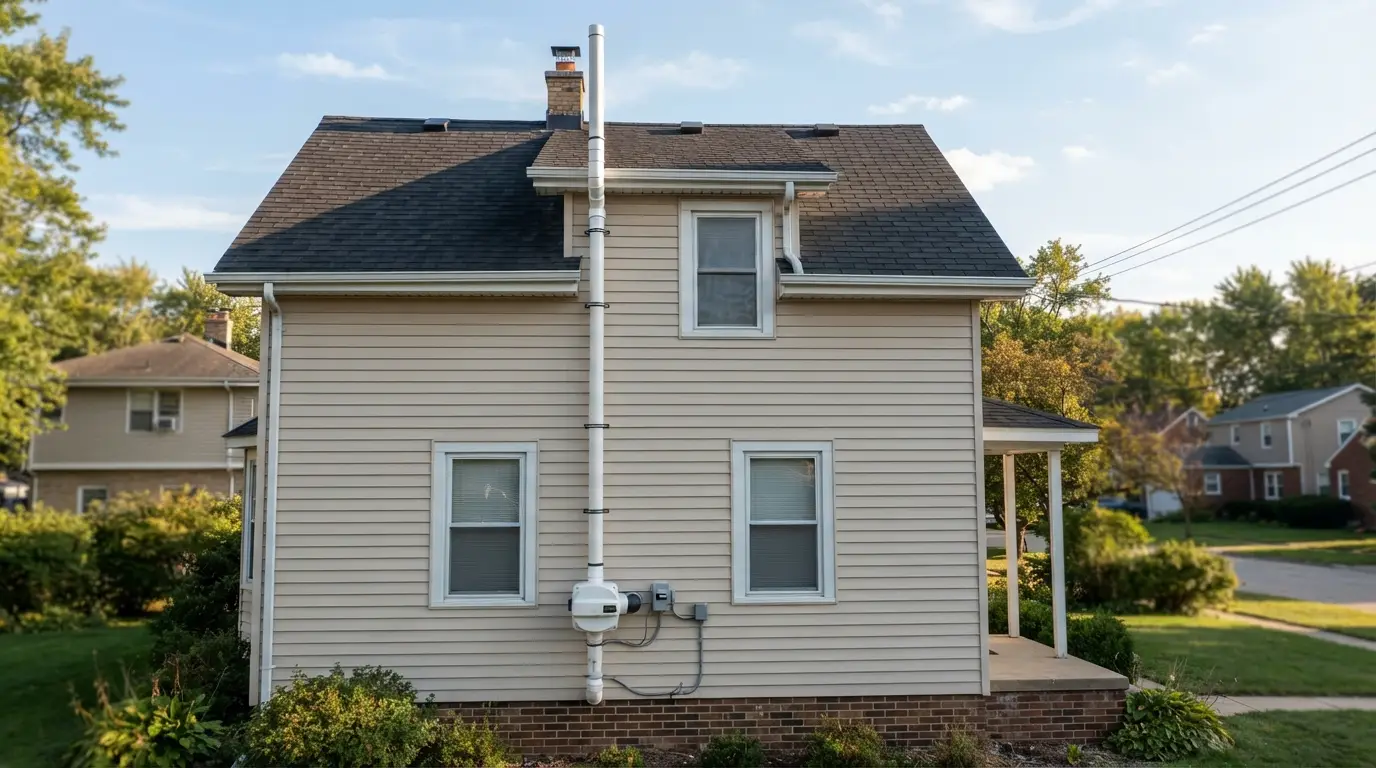
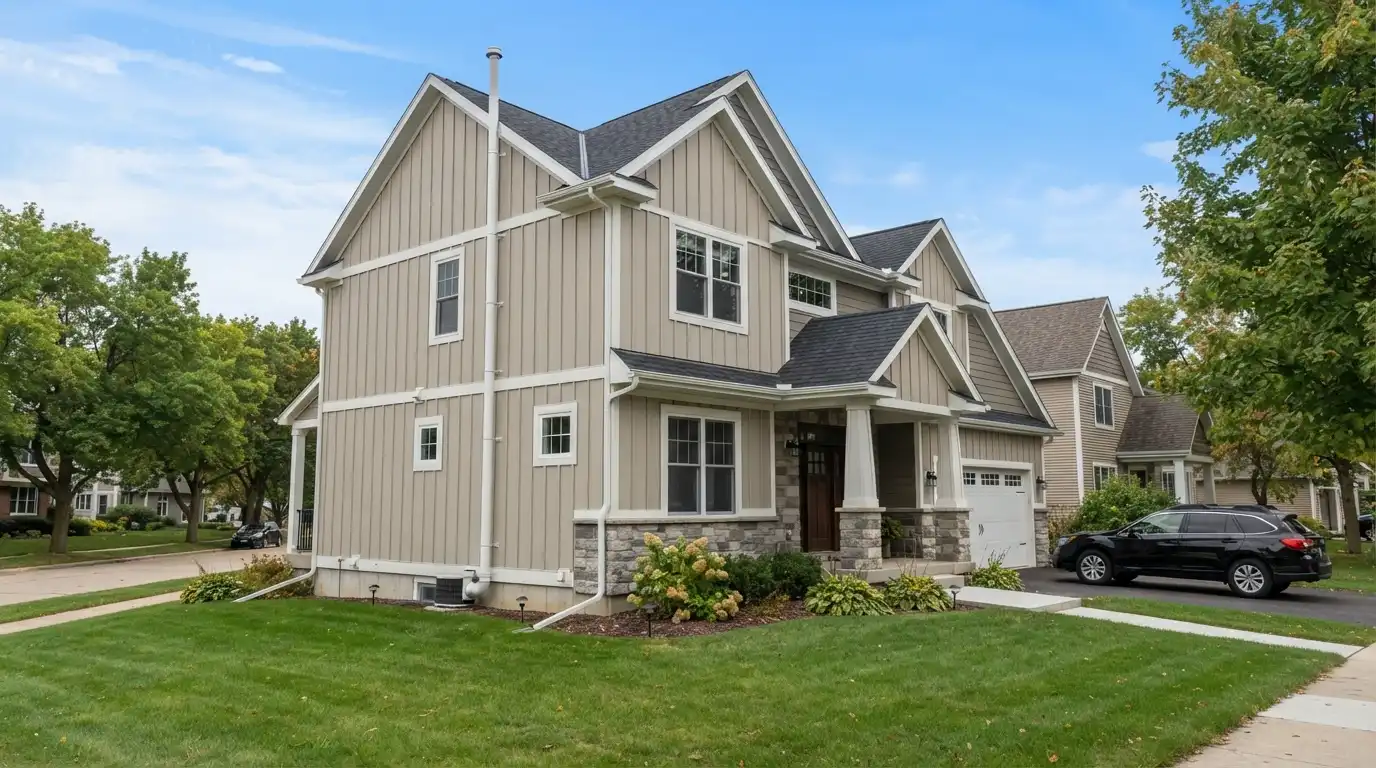
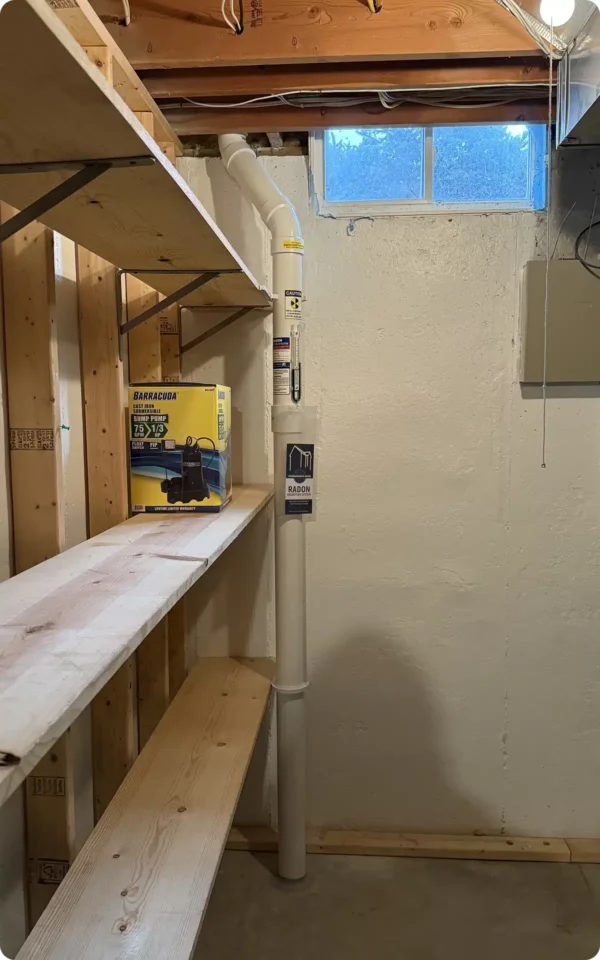
In most homes, the air. Soil gas through the foundation is the main source of indoor radon. An active sub-slab depressurization (ASD) system pulls radon from under the slab and vents it above the roofline. If air radon stays high after a working ASD system, the water may be adding to it, and a water test makes sense. See how our radon mitigation systems in Milwaukee are installed.
Radon in well water in the Milwaukee area
Most homes in Milwaukee, West Allis, Wauwatosa and the inner-ring suburbs are on municipal water. For those homes, a water radon test is rarely needed. Your focus should be the air in your basement.
Private wells are more common toward the outer, less built-up edges of the Milwaukee area. If you are on a well, add a water test to your plan once you know your air result.
A few Wisconsin-specific resources:
- Wisconsin DNR, Radon in private well water: treatment options and when to act.
- Wisconsin State Laboratory of Hygiene: water radon testing and help reading results.
- Wisconsin DHS Radon Information Centers: 17 centers statewide with low-cost test kits.
- Your county health department: many offer air test kits, especially in January, National Radon Action Month.
Homeowners in Mequon can see our local page on radon mitigation in Mequon, WI.
Start with the air
Not sure if radon is a problem in your home? Milwaukee Radon Mitigation tests your lowest livable level with professional continuous radon monitors and explains your results in plain language. No pressure, no upsell.
FAQ
Is it safe to drink well water with radon?
For most homes, drinking well water with radon is a smaller risk than breathing the radon it releases into indoor air. EPA estimates only about 1–2 percent of indoor-air radon comes from water. Swallowed radon still carries some risk, so test your air first, then test the well if air is above 4 pCi/L. If you have health concerns, talk with your doctor.
How much does it cost to remove radon from well water?
The Wisconsin DNR says a typical aeration system, the most effective treatment for radon in well water, costs around $3,500. Carbon filter systems are another option but may need pretreatment and careful filter disposal. Final cost depends on your water chemistry, flow rate and the installer, so get written quotes. Milwaukee Radon Mitigation does not test or treat water, so we don’t quote water treatment. If your result is high, we’ll refer you to a water-treatment specialist.
How to tell if radon is in well water?
You cannot see, smell or taste radon in water, so the only way to know is a lab test. Order a kit from a Wisconsin Radon Information Center or the Wisconsin State Laboratory of Hygiene, follow its sampling steps exactly and ship it the same day. WDNR suggests this test when air is above 4 pCi/L.
Does a radon air test also measure water radon?
No. An air test measures the total radon in your indoor air from every source, including any released from water. It cannot tell you how much came from the well. A separate lab water test gives the water number.
Sources
- Wisconsin DNR: Radon in private well water
- EPA: Proposed radon in drinking water rule fact sheet (1999)
- Wisconsin State Laboratory of Hygiene: Interpreting radiochemistry test results
- Wisconsin DHS: Radon
- EPA: Radon