

Quick answer: No, radon isn’t a scam. EPA, the U.S. Surgeon General, the World Health Organization and the National Cancer Institute all link long-term radon exposure to lung cancer. What can feel like a scam is how it’s sometimes sold. The fix is simple: test first, verify the result, and only install a system if the level is high.
Key takeaways
- Radon’s health risk is backed by decades of research and every major health agency.
- “Radon is good for you” claims from radon spas and health mines aren’t supported by EPA or WHO.
- Not every home needs a radon system. Only a high test result means you need one.
- You can protect yourself from bad actors: use certified testers, ask for the data, and get a second opinion.
- We sell radon services, so we’d rather show you the evidence than ask you to take our word for it.
In this guide
- Why people ask “is radon a scam?”
- Myth 1: Radon is a hoax invented by the radon industry
- Myth 2: Radon is actually good for you
- Myth 3: Only certain homes or areas have radon
- Myth 4: My neighbor’s house tested fine, so mine is fine
- Myth 5: Radon tests are rigged
- Myth 6: Every home needs a radon system
- Myth 7: Radon systems don’t really work
- Red flags vs. green flags when hiring
- Checking radon claims in Wisconsin
- FAQ
Why people ask “is radon a scam?”
It’s a reasonable question, and we don’t mind it. You can’t see, smell or feel radon. The danger is long-term, not immediate. And the people telling you about it are often the same people who’d like to sell you a fix. That combination makes anyone skeptical.
So let’s separate two questions:
- Is radon a real health risk? Yes. The evidence is strong and comes from independent public health agencies, not from contractors.
- Is every radon sales pitch honest? No. Like any home service, there are good contractors and pushy ones.
The rest of this article goes myth by myth.
Myth 1: Radon is a hoax invented by the radon industry
Fact: The radon-lung cancer link was established by public health research, long before most mitigation companies existed.
The evidence comes from two main places: long-term studies of underground miners exposed to radon, and pooled studies of people living in homes with measured radon levels in North America and Europe. Both found that lung cancer risk rises with radon exposure.
That’s why these independent bodies all treat radon as a serious risk:
| Organization | Position |
|---|---|
| EPA | Radon is the second leading cause of lung cancer in the U.S., about 21,000 deaths a year |
| U.S. Surgeon General | National health advisory urging Americans to test their homes |
| World Health Organization | Radon is a major cause of lung cancer; recommends a reference level of 100 Bq/m³ (about 2.7 pCi/L) |
| National Cancer Institute | Radon exposure is a known cause of lung cancer |
| Wisconsin DHS | About 1 in 10 Wisconsin homes has high radon; recommends testing every home |
None of these organizations sells radon systems.
Myth 2: Radon is actually good for you
Fact: There’s no accepted evidence that breathing radon is good for you, and EPA says any exposure carries some risk.
This myth has a real history. For over a century, people have visited radon spas in central Europe and old “radon health mines” in Montana, sitting in radon-rich air or water to treat arthritis and other aches. Some visitors swear by it.
The idea behind it is called radiation hormesis, the theory that very low doses of radiation might trigger the body’s repair systems and do some good. It’s a debated hypothesis in science. But it hasn’t been shown to make home radon safe or healthy, and it isn’t the basis of any U.S. or WHO radon guidance.
Here’s how to think about it honestly:
- A short visit to a spa is a very different exposure from breathing elevated radon in your bedroom every night for 20 years.
- How someone feels after a spa visit doesn’t tell you about lung cancer risk decades later.
- EPA and WHO both base guidance on the lung cancer evidence, which points one way: less radon is better.
If you have a medical condition and are curious about radon therapies, that’s a conversation for your doctor. For your house, the guidance is clear: test, and fix high levels.
Myth 3: Only certain homes or areas have radon
Fact: Radon can show up in any home: old or new, big or small, with a basement, slab or crawl space.
Some regions do average higher than others, but averages don’t tell you about one house. Wisconsin DHS recommends testing every home, and estimates about 1 in 10 Wisconsin homes has high radon. A brand-new, airtight home can test higher than a drafty 1920s house down the street.
Myth 4: My neighbor’s house tested fine, so mine is fine
Fact: Neighboring homes often test very differently.
Soil, cracks, sump pits, foundation type, HVAC and how each family uses the house all change the result. Your neighbor’s low number is good news for your neighbor. It tells you very little about your basement.
Myth 5: Radon tests are rigged
Fact: A properly run test is a measurement, not a sales tool, and you can verify it.
This myth usually comes from a real worry: what if the company testing my house also wants to sell me a system? It’s a fair concern. Here’s how to protect yourself:
- Ask for the data. A professional continuous radon monitor records hourly readings. Ask for the full report, not just the average.
- Check the tester’s certification. Look for an NRPP certification you can verify at nrpp.info.
- Verify on your own. Pick up a low-cost kit from one of Wisconsin’s 17 Radon Information Centers (Wisconsin DHS) and run your own test alongside, or after, the professional one.
- Follow test conditions. Closed-house conditions for 12 hours before and during the test, device on the lowest livable level, away from drafts. Results change if conditions aren’t met.
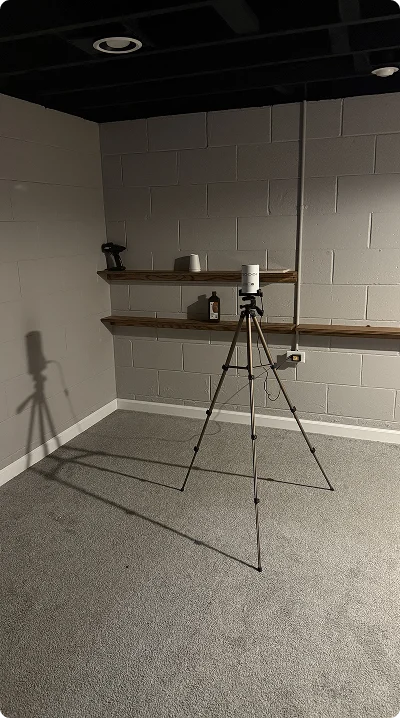
We offer both testing and mitigation, so we understand why people ask. We’d rather you verify our numbers than wonder about them. Our guide to how radon testing works explains each method.
Myth 6: Every home needs a radon system
Fact: Only homes that test high need one.
EPA recommends fixing at 4.0 pCi/L or higher and suggests considering it between 2.0 and 3.9. If your home tests at 1.0, you don’t need a system, and any honest contractor will say so.
That’s a point reviewers bring up about Brian. Maria D.V. wrote that “he didn’t try to upsell but rather was genuine and honest.” Not needing a system is a perfectly good test result.
Myth 7: Radon systems don’t really work
Fact: A properly designed active sub-slab depressurization system can lower radon dramatically, and you can confirm it with a retest.
Real results our customers have shared:
| Customer | Before | After |
|---|---|---|
| Andrew S. | About 9.5 pCi/L (peaking near 10) | About 0.30 pCi/L |
| Steve L. | About 7.1 pCi/L | About 1.1 pCi/L |
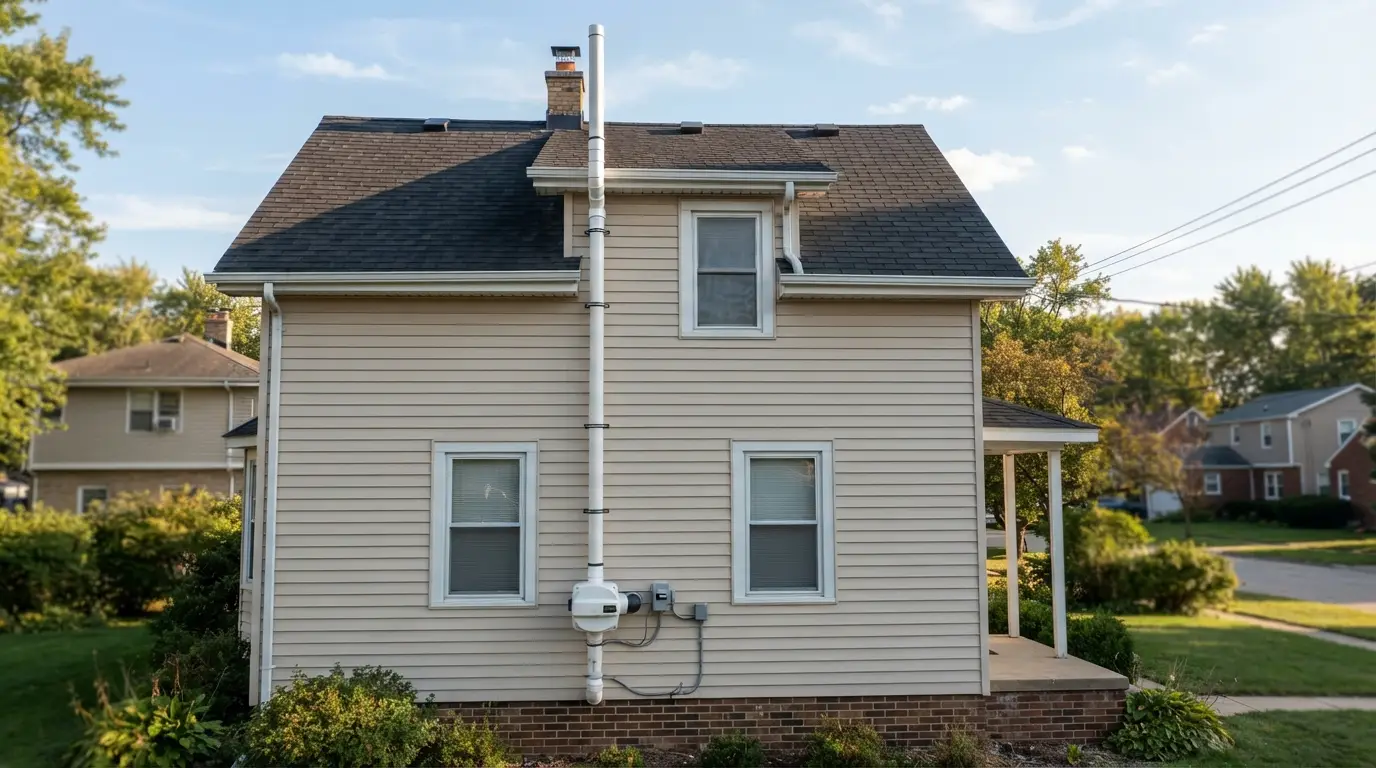
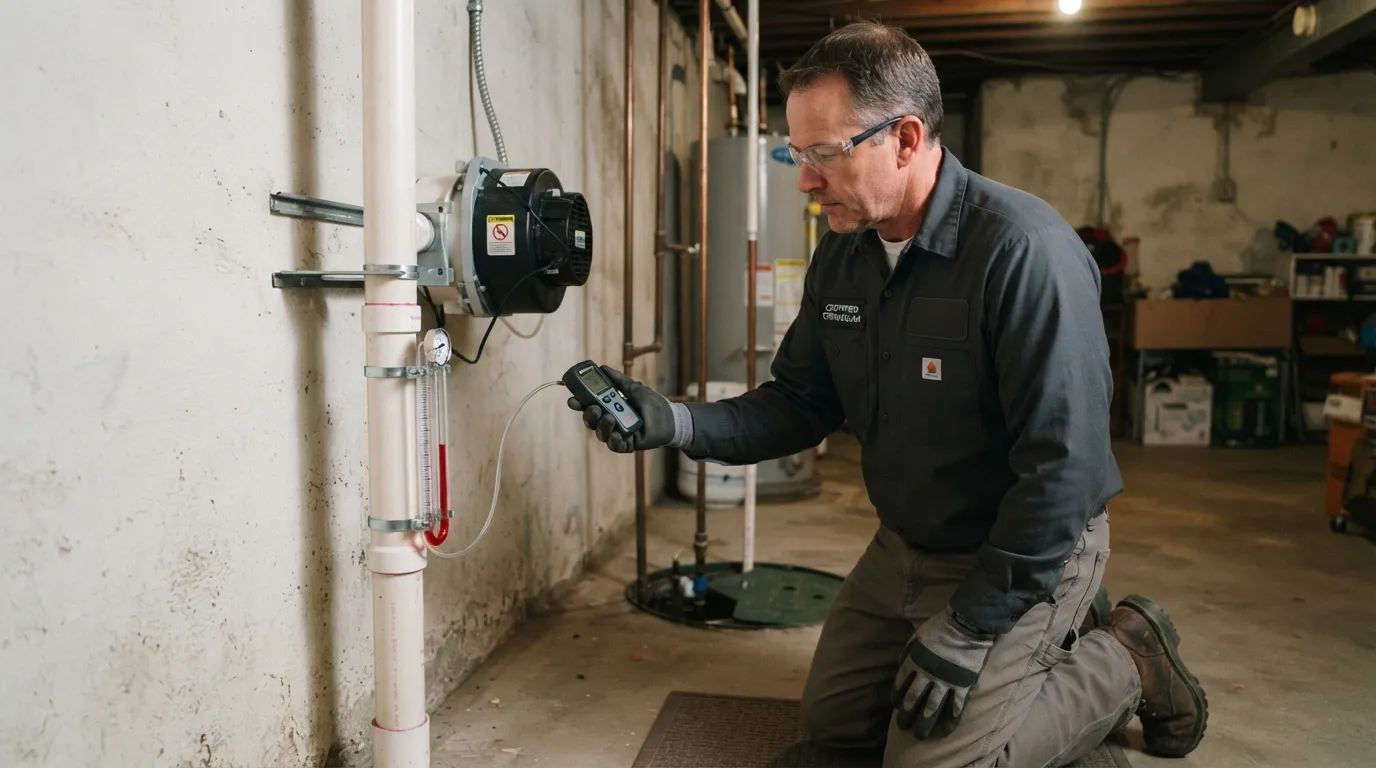
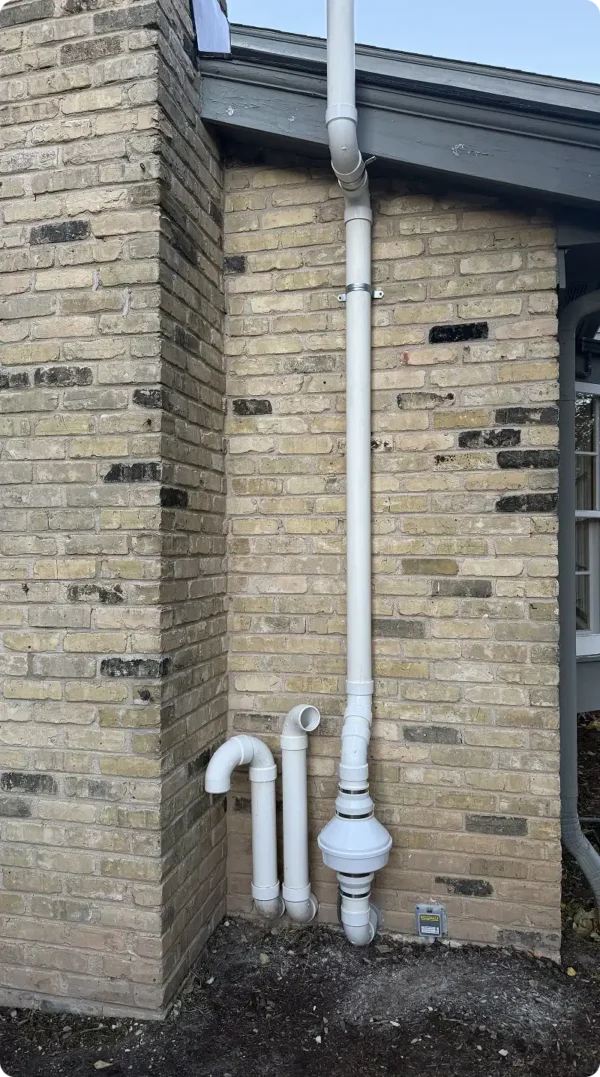
What makes systems fail is usually poor design or a dead fan, not the method. That’s why a system should have a pressure gauge (manometer) you can check, and why EPA recommends retesting at least every 2 years. See how a radon mitigation system works for the parts and process.
Red flags vs. green flags when hiring
| Red flag | Green flag |
|---|---|
| Recommends a system before any test | Tests first, or reviews your existing test |
| Won’t share hourly data or the full report | Hands you the full report and explains it |
| Pressure to sign today | Gives a written quote and time to decide |
| No verifiable certification | NRPP certified, with a listing you can look up |
| Guarantees a specific number before seeing the house | Explains what’s typical and confirms with a post-install test |
| Vague about where the fan and pipe will go | Shows you the planned layout and exhaust point |
Checking radon claims in Wisconsin
You don’t need to rely on any contractor, including us, to check what’s true. Wisconsin has good neutral resources:
- Wisconsin DHS radon program (dhs.wisconsin.gov/radon) explains testing, mitigation and real estate guidance.
- 17 Radon Information Centers around the state offer low-cost test kits and answer questions.
- Real estate: testing isn’t required in Wisconsin home sales but DHS highly recommends it, using a test of at least 48 hours under closed-house conditions.
- Child care: since March 2023, licensed child care providers must test and mitigate above 4.0 pCi/L. The state wouldn’t require that for a hoax.
If you’re in Whitefish Bay or elsewhere on the North Shore, our Whitefish Bay, WI radon mitigation and testing page explains local service. To understand what a result actually means, read what pCi/L means and what’s a safe radon level.
Skeptical? Good. Start with a test.
Brian Thompson, an NRPP-certified radon measurement and mitigation professional (NRPP 109591-RMP and 109619-RMS, verifiable at nrpp.info), will test your home, give you a written report and tell you straight if you don’t need anything. Learn more about our radon testing in Milwaukee.
FAQ
Are radon concerns overblown?
No. EPA, the World Health Organization and the National Cancer Institute all link long-term radon exposure to lung cancer, and EPA estimates about 21,000 U.S. lung cancer deaths a year are radon-related. What can be overblown is fear. Radon is a long-term risk, not an emergency, so test calmly and act if your level is high.
Should I actually be concerned about radon?
You should be concerned enough to test. You can’t know your level any other way, and about 1 in 10 Wisconsin homes has high radon according to DHS. If your result is low, you’re done. If it’s 4.0 pCi/L or higher, EPA recommends fixing it. Either way, a number replaces worry with a clear next step.
Do you really need a radon system?
Only if your test is high. EPA recommends a mitigation system at 4.0 pCi/L or higher and suggests considering one between 2.0 and 3.9. Below that, most homes don’t need one. Be wary of anyone who recommends a system before testing, and confirm a borderline short-term result with a second test.
Can radon be good for you?
There’s no accepted evidence that it is. Radon spas and “health mines” rely on a debated theory called radiation hormesis, which hasn’t been shown to make home radon safe. EPA says any radon exposure carries some lung cancer risk, and WHO recommends keeping indoor levels low. Ask your doctor about any radon therapy claims.
Sources
- EPA: Health Risk of Radon
- EPA: A Citizen’s Guide to Radon
- WHO: Radon and Health
- National Cancer Institute: Radon and Cancer
- Wisconsin DHS: Radon
- NRPP certification lookup